Today’s Sponsor
Three under-the-radar small-cap stocks are showing early signs of unusual market activity. Our research team has identified emerging changes in volume patterns and momentum that typically precede broader market attention.
These lightly covered companies are just starting to appear on institutional watchlists. Get our complete analysis covering where the activity is happening, what's driving participation, and our criteria for tracking these emerging setups — releasing in the next 24-48 hours.
Get the Free Research UpdateThis material is shared strictly for educational and informational purposes. We encourage readers to perform their own research and due diligence. By clicking the link you will automatically be subscribed to the Stock News Trends Newsletter. Privacy Policy

William F. Cody didn’t just live the making of modern America—he helped package it, proving that whoever frames a nation’s story can shape what it thinks it is.
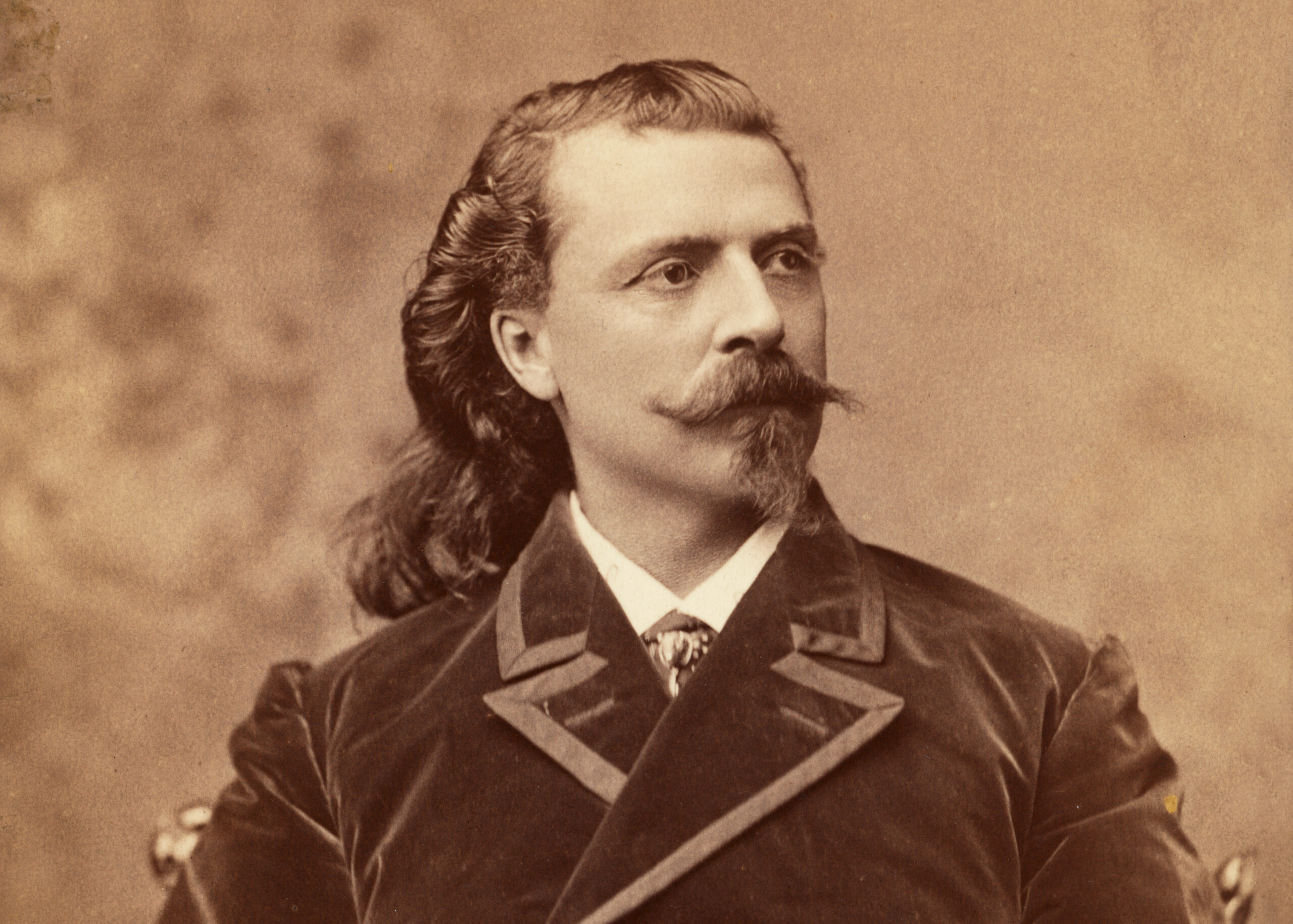
Image via HistoryNet
Buffalo Bill’s Resume Was America’s—Action First, Myth Second
HistoryNet was out with a piece today laying out “10 Pivotal Events in the Life of Buffalo Bill,” and the headline undersells what’s really going on. William Frederick Cody (1846–1917) didn’t just live through the making of the modern United States—he helped sell it back to itself. The article tracks him from early, plausibly embellished frontier work—riding for the Pony Express as a teenager, scouting, hunting, soldiering on the periphery of the Indian Wars—into the phase that made him a global brand: Buffalo Bill’s Wild West.
The key throughline in HistoryNet’s account is that Cody’s “signal life” is equal parts biography and marketing campaign. There are real jobs and real dangers in there: the hard logistics of communication and transport in the West, the brutal churn of post–Civil War expansion, the messy overlap of military operations, railroads, and settlement. But the later Cody is increasingly a curator of his own legend. The Wild West show didn’t merely entertain; it packaged a living memory—cowboys, sharpshooters, staged battles, and celebrity performers—into a narrative audiences could consume in New York, London, and beyond. The piece reads like a reminder that the frontier wasn’t only conquered on horseback; it was conquered in the imagination.
If you’ve ever wondered why Buffalo Bill remains culturally “alive” in a way most 19th-century scouts do not, HistoryNet’s list points to the answer: timing and medium. Cody hit the seam where America’s chaotic, violent growth met an emerging mass culture hungry for stories with clear heroes and clean arcs. He understood something that every modern political consultant and every Silicon Valley founder understands, too: the public doesn’t experience events directly; it experiences versions of events—told, edited, repeated, and ritualized until they become common sense.
There’s also a harder point, one that conservative readers should neither romanticize nor ignore. A country needs shared myths to cohere, but myths become dangerous when they replace moral accounting. The Buffalo Bill story is thrilling—self-reliance, risk, the vastness of the continent—but it sits next to real dispossession, real warfare, and real political choices that still echo in Western land disputes, tribal sovereignty fights, and arguments over what “American identity” even means. The temptation is to treat the Wild West as either pure patriotism or pure indictment. Adults should be able to hold both: pride in endurance and invention, and sobriety about what it cost.
What happens next is predictable: Buffalo Bill will keep getting re-litigated, because we are again in a season of national self-storytelling. The fights over monuments, curricula, movies, and “who gets to define the past” are not side shows; they’re struggles over legitimacy. Cody’s life reminds us that even in a comparatively young republic, the past is never just behind us—it’s a tool kit people reach for when they want to authorize the future.
Read the full story at HistoryNet.
✍ My Take: We’ve been here before, and Buffalo Bill is the prototype for today’s influencer-politician-celebrity complex. The 19th century had its own attention economy; it just ran on posters, dime novels, and ticket sales rather than feeds and algorithms. Cody’s genius wasn’t that he invented the West—history did that, with all its tragedy and grit. His genius was recognizing that whoever frames the story of a nation’s turning points can shape what the nation thinks it is. That’s power. Not the power of a cabinet post, but the power that outlasts cabinets: narrative.
Read the full story at HistoryNet →
Until tomorrow, keep your eyes on the headlines—and one hand on the history books.
— The Time Capsule Editor