Today’s Sponsor
One of our most reliable indicators just triggered on a small-cap company operating quietly under the radar. We've seen this same setup before notable announcements, strategic shifts, and surges in institutional activity.
At Alpha Wire Daily, we've built our reputation on identifying these patterns early — before the rest of the market catches on. We've just released a new briefing detailing the company name, chart setup, and why this signal stands out. Timing is everything.
Get the Free Report + Alert Access*We encourage readers to perform their own research and due diligence on any information we provide. By clicking the link you will automatically be subscribed to the Alpha Wire Newsletter.

A HistoryNet piece revisits the Second Seminole War as an early, costly U.S. encounter with guerrilla warfare—and a reminder that “new” insurgency logic is older than our modern vocabulary.
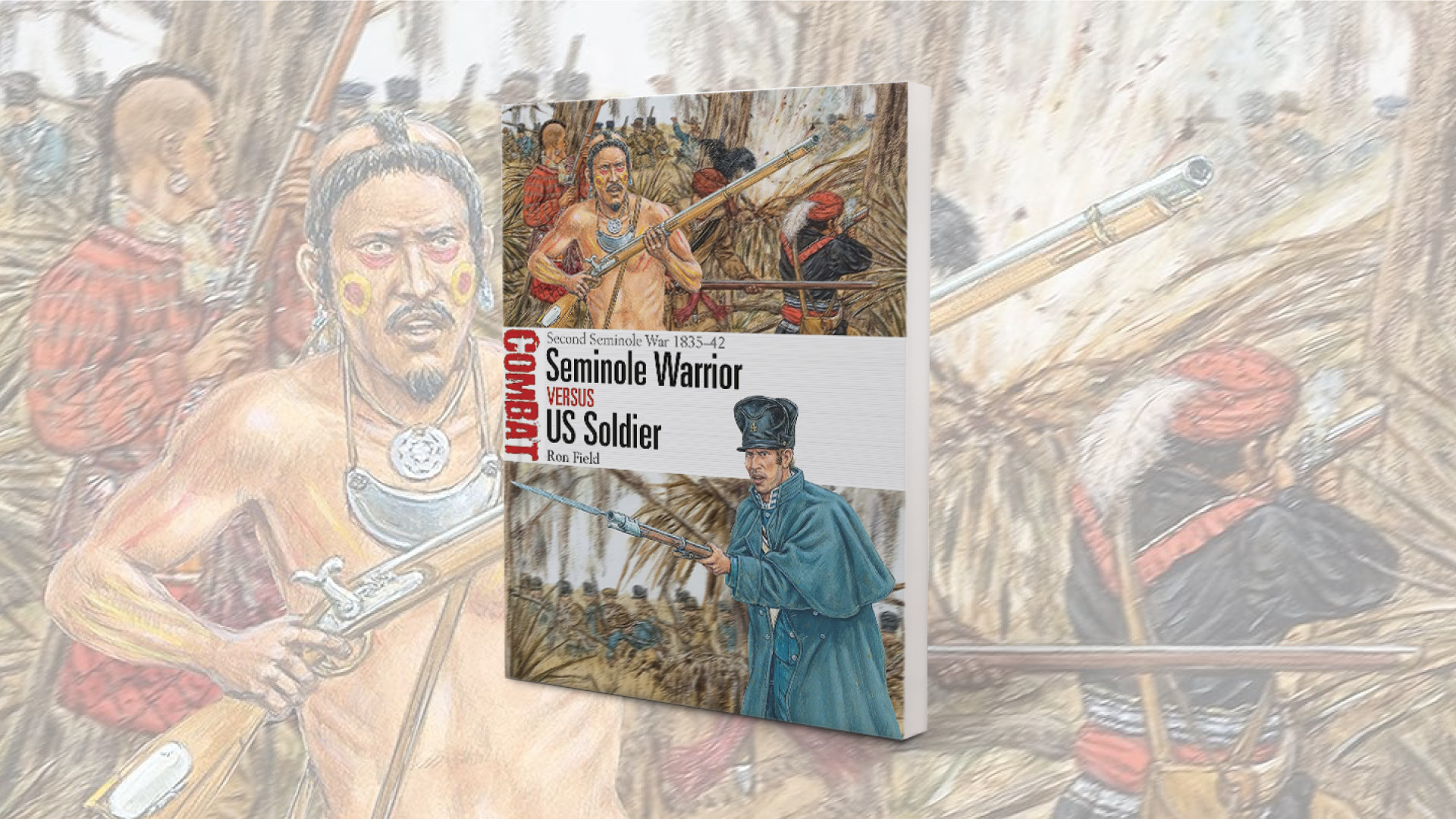
Image via HistoryNet
America’s First Lesson in Asymmetric War Came From the Seminoles
HistoryNet was out with a piece today revisiting a hard truth Americans prefer to forget: long before “insurgency” became a Pentagon buzzword, the U.S. Army was already learning—painfully—what guerrilla warfare looks like when you’re the larger, richer power trying to impose order on terrain and people who refuse to be subdued. The report centers on the Second Seminole War (1835–1842) and the way Seminole fighters, operating in Florida’s swamps and hammocks, made a professional army look slow, visible, and often confused.
The story underscores why those Seminole warriors were so formidable. They weren’t fighting set-piece battles on open ground; they were shaping the battlefield—choosing when to strike, where to vanish, and how to turn Florida’s geography into a weapon. The U.S. Army, trained in conventional European-style tactics, found itself marching in columns through wetlands, relying on supply lines and predictable routes, and trying to “find” an enemy who didn’t want to be found. The piece also notes that this didn’t end in Florida: Seminole and other Native scouts later served with the Army out West, bringing hard-earned fieldcraft—tracking, stealth, reading terrain—that regular troops often lacked.
If you’ve read enough American military history, the rhythm is familiar. The United States tends to excel at building mass, logistics, and firepower—and then act surprised when those strengths don’t translate cleanly into control. The Seminoles weren’t simply brave; they were strategically modern. They understood that if you can deny the enemy a decisive engagement and make every movement costly, you can stretch a stronger power’s patience, politics, and purse. In that sense, the Second Seminole War is less a frontier footnote than an early chapter in the long American struggle to reconcile battlefield capability with political outcomes.
There’s also a civic lesson here that tends to get sanded down. Democracies don’t just fight wars; they argue about them in real time, and that debate becomes part of the battlefield. Long, ambiguous campaigns corrode consensus. They create incentives for rosy progress reports, shifting goals, and declarations of “turning points” that aren’t. When HistoryNet reminds us how grueling Florida was—how difficult it was to force a decisive end—it’s also reminding us that national will is a finite resource, and leaders spend it every time they promise quick outcomes in conflicts built to be slow.
And one more thing: the piece quietly points to a truth conservatives ought to keep front of mind when we talk about defense. Strength isn’t only budgets and platforms; it’s institutional humility and learning speed. The Army eventually adapted—using scouts, changing tactics, respecting terrain—but adaptation came after needless losses and false assumptions. Today, whether the domain is jungles, cities, cyberspace, or the information sphere, the question isn’t whether America is strong. It’s whether our institutions can learn as fast as our adversaries can improvise. “We’ve been here before,” and the bill for ignoring that is always higher than the bill for remembering it.
Read the full story at HistoryNet.
✍ My Take: The reason this matters now isn’t nostalgia; it’s pattern recognition. We talk about “new” forms of warfare—insurgency, hybrid conflict, gray-zone tactics—as if they were inventions of the late 20th century. They’re not. What changes are the tools; what stays the same is the logic: the weaker side avoids your strengths, attacks your weaknesses, and counts on time. The Seminoles were running that playbook before we had the language for it, and the Army’s frustration then looks a lot like our frustration in later places where maps were easy and victory was not.
Read the full story at HistoryNet →
Until tomorrow—keep one eye on the headlines and the other on the history book.
— The Time Capsule Editor