Today’s Sponsor:
Stop stressing over weekly stock picks! Our veteran investor just released a FREE report featuring 10 U.S. stocks you can buy and hold — backed by 20+ years of experience and deep research into AI, EVs, digital health, and cloud megatrends.
Get bulletproof entries, holding strategies, portfolio allocation guides, and sector insights that work for beginners and pros alike. Available for first movers only — grab yours in the next few days!
Get the 10 Stocks For FreeBy clicking this link you agree to receive emails from StockEarnings and our affiliates. You can opt out at any time. Privacy Policy

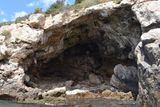
Image via Discover Magazine
Winter on the Coast: Neanderthals Had a Shellfish Season, Too
Cold months didn’t necessarily mean hunger for Neanderthals living along Southern Europe’s coasts. New research highlighted in *Discover* suggests they targeted shellfish in winter, returning to coastal spots when conditions made these foods especially predictable and worth the effort. It’s a reminder that Neanderthals weren’t just opportunistic scavengers—they planned around the calendar of their landscape.
What’s striking is how familiar the pattern feels. Seasonal “rounds”—moving through a territory to harvest what’s best at different times of year—are a hallmark of later human foragers. This shellfish strategy fits a broader picture emerging over the last few decades: Neanderthals understood tides, timing, and local ecologies well enough to build routines around them, much like Homo sapiens communities would do across coasts from the Mediterranean to the Pacific.
Read the full story at Discover Magazine →
Eyes in the Sky Over Sudan: Satellite Survey Maps Monumental Desert Tombs
A satellite-imagery survey in Sudan’s Atbai Desert has revealed hundreds of previously unidentified monumental tombs, expanding what archaeologists thought they knew about burial traditions—and population—across Eastern Sudan’s arid interior. The newly mapped sites appear across a wide landscape, the kind of distribution that hints at repeated, organized use over long stretches of time rather than a lone “cemetery” in one spot.
This is part of a wider shift in how archaeology gets done in places that are vast, remote, or hard to traverse. For decades, the great challenge in desert archaeology has been scale: you can excavate a little, but you can’t easily *see* the whole system. Satellite mapping flips that equation, letting researchers identify patterns—clusters, corridors, outliers—before a single boot hits the sand. Historically, this echoes earlier leaps like aerial photography after World War I and the mid-century boom in survey archaeology: each new vantage point doesn’t just add more sites—it changes the questions scholars can ask about who lived where, and why.
Read the full story at Archaeology Magazine →

Image via Popular Mechanics
“Worth More Than Gold”: Royal Purple in an Ancient Burial Raises New Questions
Archaeologists studying an ancient burial uncovered traces of a material so valuable in the ancient world it functioned like a wearable fortune: royal purple dye. According to *Popular Mechanics*, the pigment—classically associated with elite status and, in some periods, reserved for emperors and the ultra-wealthy—appeared in the burial of two infants, an unexpected setting that immediately complicates easy assumptions about who could “possess” prestige in death.
Royal purple isn’t just a color; it’s a supply chain. In antiquity, producing it (often from murex sea snails) demanded enormous labor and specialized knowledge, and it became a social signal so potent that governments later tried to regulate it through sumptuary laws. That’s what makes this find feel historically loud: if infants were buried with such an elite marker, it may point to inherited rank, family identity, or ritual choices meant to broadcast status to the living community. Burials, after all, are as much about the society doing the burying as the person being buried—and this one seems to be speaking in a very expensive language.
Read the full story at Popular Mechanics →
See you tomorrow—same time capsule, same curious look back.
— Time Capsule Editorial