With government debt soaring and inflation still biting, smart investors aren't waiting for volatility to hit — they're preparing now. The Gold Wealth Blueprint breaks down exactly how gold has historically shielded portfolios during periods of fiscal strain and market uncertainty.
Inside, you'll discover why gold moves differently than paper assets, how to use it as a practical hedge, and how to size your exposure without overcommitting. It's concise, actionable, and free — but don't sit on it.
Get the Free Gold Wealth BlueprintBy following the link above, you're choosing to opt in to receive insightful updates from Investor News + 2 free bonus subscriptions. Your privacy is important to us. You can unsubscribe anytime. See our privacy policy for details.

Three finds from very different eras remind us how history often survives in the margins: in a personal note, under a quiet lake, and inside an old argument about who really started it.
/https://tf-cmsv2-smithsonianmag-media.s3.amazonaws.com/filer_public/f1/5a/f15a9581-481b-4311-9350-908e2ee67411/rms_titanic_3.jpg)
Image via Smithsonian Magazine
A Titanic letter reminds us the ship wasn’t one story, but many
A letter written aboard the Titanic just days before the sinking is headed to auction, and it offers something we don’t get enough of in the Titanic narrative: the everyday perspective of a second-class passenger. The writer describes good weather and the lively bustle of departure, capturing the ship not as an approaching catastrophe, but as a floating community full of routines, small observations, and optimism about the crossing.
That matters because “Titanic history” is often told as either a grand technological tale or a first-class tragedy, with the famous names and the opulent rooms taking center stage. Second-class passengers lived in a different world on the same ship: more comfortable than steerage, far less insulated than the suites. Notes like this help us understand how class shaped not only survival odds later, but also what the voyage felt like before anything went wrong.
The most haunting part is the ordinariness. It’s a reminder that history’s most dramatic turning points often arrive while people are still writing home about the weather. The past doesn’t announce itself as “the past” while it’s happening; it feels like Tuesday.
Source: Smithsonian Magazine
Read the full story at Smithsonian Magazine →

Image via Popular Mechanics
A church under a lake could help locate one of Christianity’s biggest turning points
Archaeologists think they may have found the site of one of the most important meetings in Christian history: the First Council of Nicaea, convened in the year 325. For roughly 1,700 years, the exact place where bishops gathered to debate the faith’s core questions has been uncertain. Now the best lead may be sitting in plain sight, submerged in a lake in Turkey.
If the identification holds up, it’s hard to overstate what this would mean for historians. The Council of Nicaea wasn’t just a theological conference; it was a moment when belief, politics, and empire braided together. Under Emperor Constantine, Christianity was moving from a persecuted faith to an institution with imperial backing, and the council’s decisions helped define doctrine and unity in a world where disagreement could fracture communities across thousands of miles.
There’s also something poetic about the possibility that the location survived not in grand monuments but under water, protected by accident and time. So much of what we “know” about early Christianity comes from texts passed through generations of copying and debate. A physical site can’t answer every question, but it can anchor the story in geography, reminding us that world-changing ideas were hammered out in real rooms by real people, in a specific place you can stand near.
Source: Popular Mechanics
Read the full story at Popular Mechanics →
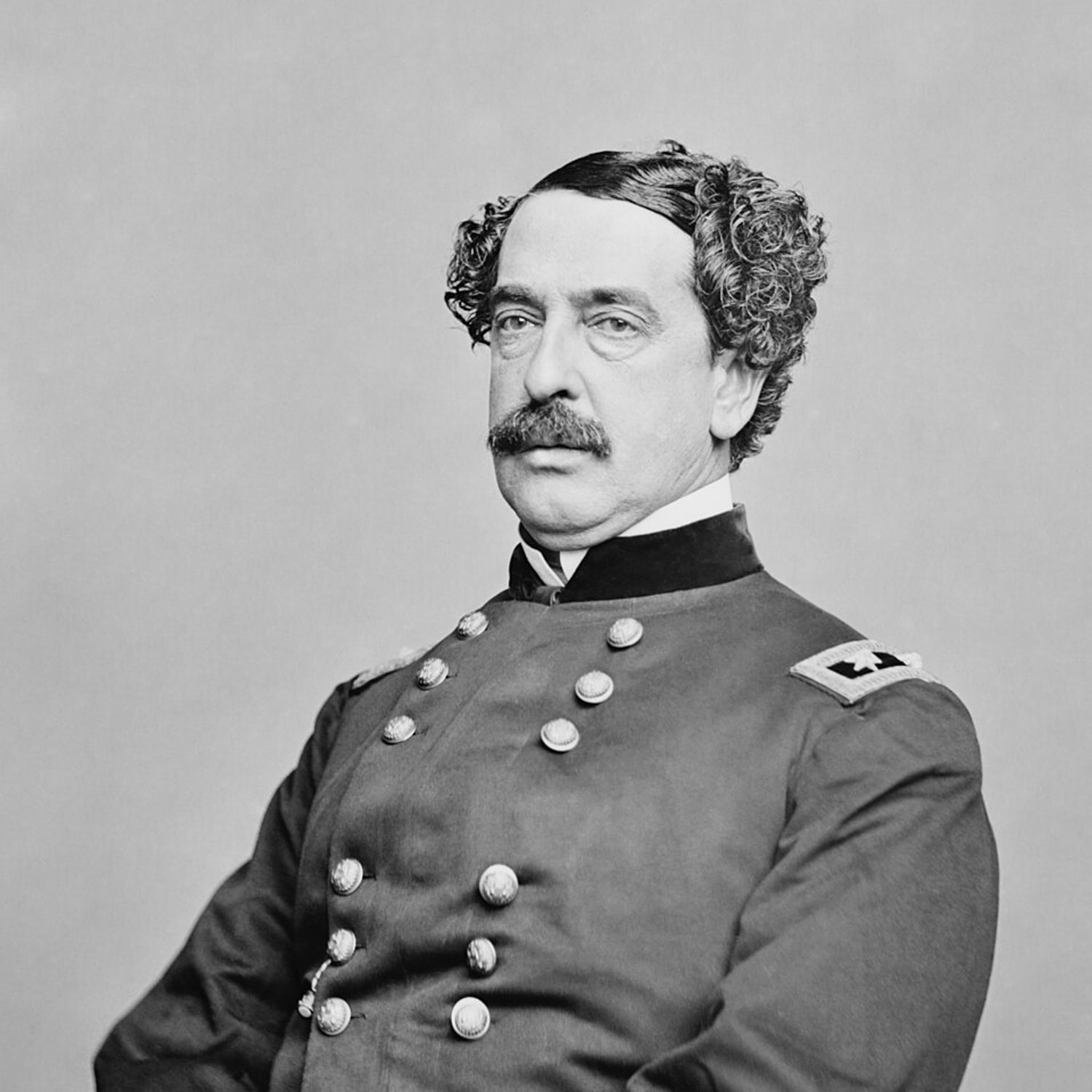
Image via World History Encyclopedia
Fort Sumter and the stubborn afterlife of a “first shot” story
Abner Doubleday is often linked to two famous events, and according to the historical record, neither credit really belongs to him. One of the biggest: the belief that he fired the first Union gun in the Civil War at Fort Sumter. A close look at Doubleday’s own account shows a more careful, more human reality: he aimed, he prepared, and he participated in the defense, but he did not fire the first shot.
This isn’t mere trivia. The “who fired first” question has always carried symbolic weight in American conflicts, because it lets later generations compress messy causes into a single dramatic spark. Fort Sumter already serves that role as a national origin point for the war, even though the war’s roots ran deep into decades of political compromise, slavery’s expansion, and violent confrontations in places far from Charleston Harbor.
Doubleday’s case is a lesson in how historical reputations form. A compelling story that fits what people want to believe can outlive paperwork, eyewitness contradictions, and even a person’s own testimony. Over time, the myth becomes a shorthand, and the shorthand becomes “common knowledge.” The work of history is often the unglamorous task of putting the shorthand back into sentences.
Source: World History Encyclopedia
Read the full story at World History Encyclopedia →
That’s all for today’s Time Capsule. If you catch yourself thinking “I’ve heard this story before,” you’re probably right — history rarely repeats perfectly, but it loves to rhyme in the details.
— Time Capsule Editorial
|
🕰️ Don't Miss a Beat Get exclusive history stories & subscriber-only offers sent straight to your phone. Text-only extras you won't find in the newsletter. Join Our SMS List → |