In partnership with

Anthropic IPO: how do traders get 2x the move?

Anthropic is going public, and GraniteShares is launching two 2x ETFs on it.
AIL → bullish, seeks 2x Anthropic’s daily move
ANS → bearish, seeks 2x the opposite
Anthropic +1% → AIL seeks +2%
Anthropic −1% → ANS seeks +2%
Built for traders who want to act on a short-term view of Anthropic, up or down, in one ticker, no margin needed.
Coming soon to your trading apps.
The fund does not invest in the underlying stock. Investment in these funds is not an investment in the underlying stock. Investment in these ETFs involve significant risk and are a short-term trading vehicle. Please go through the Prospectus and risk information before investing. Funds are distributed by ALPS Distributors, Inc. For important risk disclosures, learn more at https://graniteshares.com/

Three reminders that history isn’t just what gets built or painted or proclaimed. It’s also what gets toppled, retouched, and carefully staged for the public.

Image via HistoryExtra
The Colossus of Rhodes: A Wonder That Didn’t Survive Its Own Fame
Ancient travelers came to Rhodes the way modern tourists flock to a skyline: to see proof that humans could make something impossibly large. The Colossus of Rhodes, a towering statue of the sun god Helios, quickly earned its place among the wonders of the ancient world. But its legend has always had a twist that feels almost too on-the-nose for history: it didn’t last long enough to become old. An earthquake brought it down, and the broken giant stayed on the ground for centuries, famous even in ruin.
Then came the detail that sticks in the mind because it’s so vivid: the statue’s remains were eventually hauled away, piece by piece, reportedly requiring 900 camels. That number captures something important about how the ancient world worked. Marvels weren’t only sacred symbols; they were also stores of valuable material. Bronze could be repurposed, sold, melted, turned from public wonder into private wealth.
It’s a story that echoes into the present whenever a society debates whether monuments are untouchable heritage or movable assets. The Colossus wasn’t “canceled” by changing values; it was liquidated by changing circumstances. And in a way, that makes the lesson sharper: even the most iconic public art survives only as long as the world around it chooses to keep paying the cost—politically, economically, and physically—of letting it stand.
Source: HistoryExtra
Read the full story at HistoryExtra →
Anne Boleyn’s Face, and the Secret a Portrait Can’t Quite Hide
When we picture Anne Boleyn, we’re usually seeing more than one woman at once: a historical figure, a political symbol, a cautionary tale, and a tabloid headline from five centuries ago. That’s why portraits of her matter so much. They’re treated like windows into a life that ended violently and has been argued over ever since. National Geographic highlights how one famous portrait carries a strange secret—evidence that what looks like a straightforward image may actually be a more complicated artifact.
Early modern portraits were not neutral photographs; they were political technology. In Tudor England, an image could build legitimacy, signal allegiance, or quietly rewrite a story. If a portrait hides alterations, symbols, or clues about how it was made and remade, that isn’t just trivia for art historians. It’s a reminder that reputations were managed long before modern public relations. An image of Anne Boleyn could become a battlefield, especially after her execution, when remembering her the “wrong” way could be dangerous.
There’s a modern parallel here that’s hard to miss. We live with edited images everywhere—filters, retouching, curated feeds—but we sometimes forget that people have always adjusted the visual record to fit the politics of the moment. The fascinating part isn’t that a portrait might have a secret; it’s that the secret can survive, quietly, waiting for a later generation to notice the seams.
Source: National Geographic
Read the full story at National Geographic →
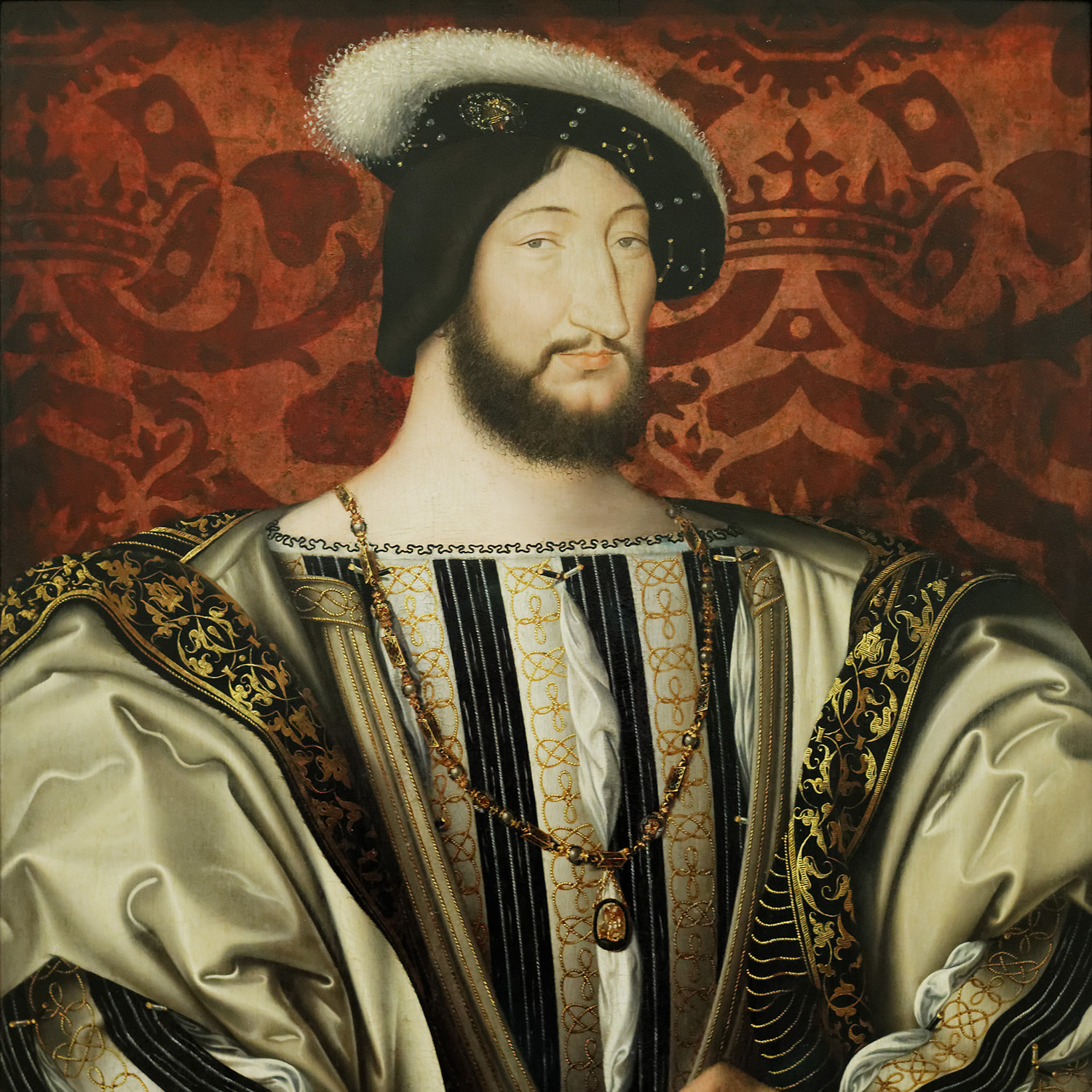
Image via World History Encyclopedia
Francis I: The Renaissance King Who Treated Culture Like Statecraft
Francis I of France reigned at the height of the French Renaissance, and World History Encyclopedia sketches him as a ruler who made the monarchy feel glamorous, modern, and intellectually serious—while still playing the rough old games of dynastic rivalry and war. He cultivated the image of a “knight king,” but he also understood that books, buildings, paintings, and patronage could be as strategic as any fortress. Under Francis, art wasn’t decoration; it was a language of power.
His reign sits at a crossroads that shaped the Europe (and eventually the America) we inherited: centralizing states, expanding bureaucracies, and rulers who learned to sell a national story. The Renaissance wasn’t just a burst of creativity; it was also a competition among courts, each trying to project superiority. Bringing artists and thinkers into the orbit of the crown helped Francis strengthen France’s prestige, and prestige mattered in an era when alliances could shift faster than borders.
If that sounds familiar, it should. Governments still use culture as a form of influence—museums, monuments, “heritage” campaigns, and global showcases that signal who belongs at the center of the world. Francis I reminds us that soft power isn’t a modern invention. It’s an old tool, polished to a shine in the Renaissance, and still in use whenever leaders try to make a country’s identity feel inevitable.
Source: World History Encyclopedia
Read the full story at World History Encyclopedia →
That’s the capsule for today. If you catch yourself assuming history is only made by big battles and loud speeches, keep an eye on the quieter forces—an earthquake, an artist’s brush, a king’s patronage budget. They have a way of steering the story.
— Time Capsule Editorial