Forget trendy tech — the biggest income opportunities right now are hiding in plain sight. Our newest research has uncovered three high-yield dividend powerhouses generating billions in free cash flow: an energy infrastructure leader paying a 7.3% yield, a tobacco giant delivering an 8.6% dividend, and a consumer-finance specialist posting a massive 9.2% yield — all with conservative payout ratios built to last.
These cash machines are built to thrive even when markets turn choppy — and smart income investors are positioning right now, before this report goes public. Don't miss your window.
Download Your Free Report NowBy clicking the link above you agree to receive emails from StockEarnings and our affiliates. You can opt out at any time. Privacy Policy.

Three finds and follow-the-footprints stories that remind us history is often hiding in plain sight: under soil, inside scenery, and along the routes armies and artists once depended on.
/https://tf-cmsv2-smithsonianmag-media.s3.amazonaws.com/filer_public/dc/cc/dccc6636-887e-4221-8326-4dd6c36ba473/lvr-abr-roemischer-muenzschatz-wesseling-domitian.jpg)
Image via Smithsonian Magazine
A German Field Gives Up 943 Roman Coins, and Suddenly the Empire Feels Close Enough to Touch
A hobbyist with a metal detector swept a field in Germany and hit the kind of signal that makes your heart race: not one coin, not a stray button, but a massive hoard of Roman silver. Archaeologists ultimately documented 943 denarii, a stack of everyday money that somehow survived long enough to surprise a person wearing modern boots and carrying a handheld device.
What makes hoards like this so irresistible is that they’re both personal and panoramic. These coins span nearly 300 years, from 148 B.C.E. to around 124 or 125 C.E., meaning a single cache can hold the faces and slogans of multiple political worlds: the Roman Republic’s late drama, the early empire’s consolidation, and the calmer-looking surfaces that still hid plenty of tension. A denarius wasn’t just currency; it was mass media you could spend. When many of them appear together, it raises the same questions historians ask about any sudden pile of wealth: Was it savings? War anxiety? A merchant’s working capital? A soldier’s pay? Or a hurried burial during unrest, never retrieved because the owner didn’t survive the week?
There’s a modern echo here, too. We like to imagine the ancient economy as distant and abstract, but the urge to tuck away value for a bad season is universal. Hoards are history’s time-stamped moments of uncertainty, the frozen second when someone decided the future looked risky enough to hide their past in the ground.
Source: Smithsonian Magazine
Read the full story at Smithsonian Magazine →
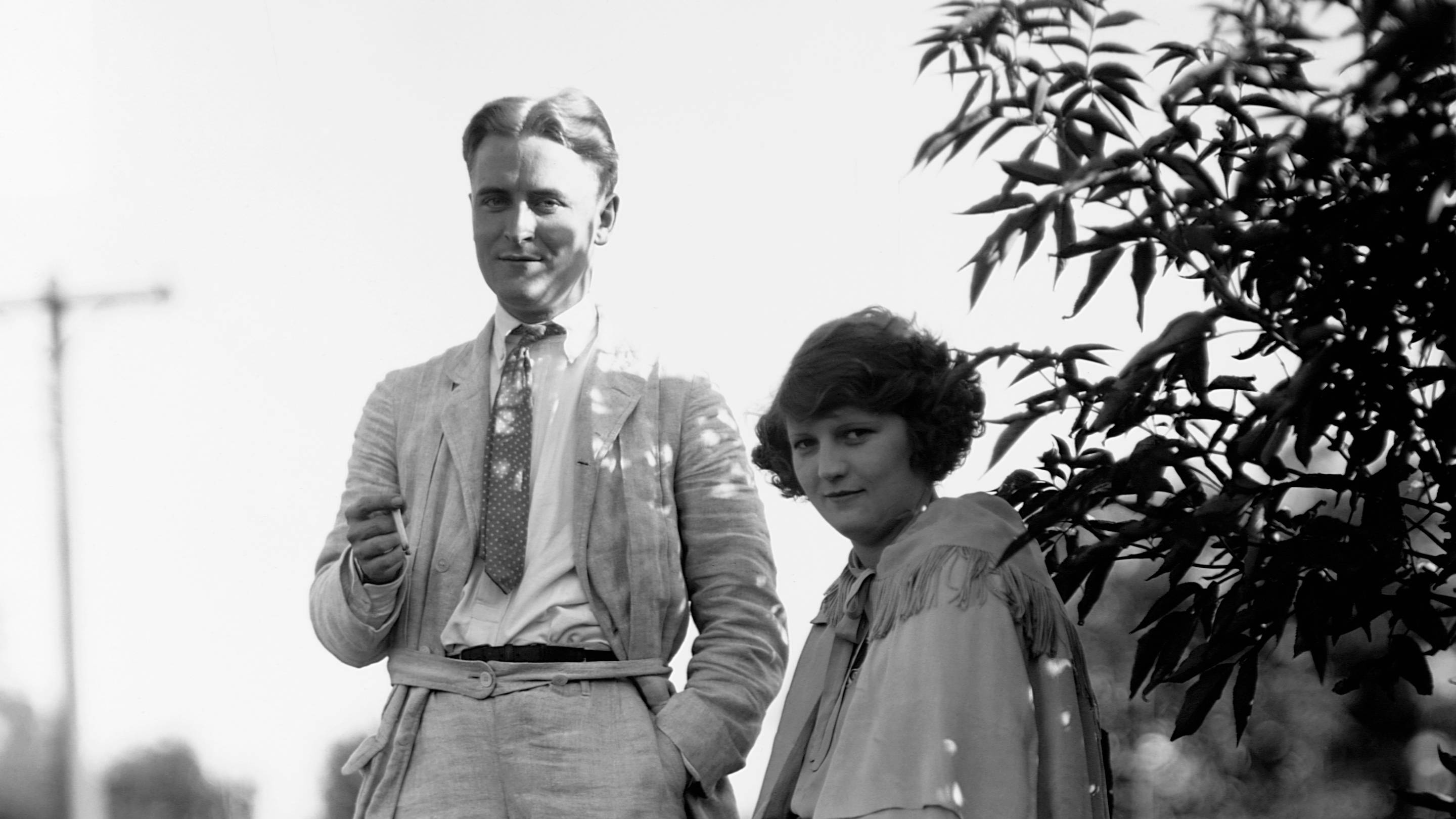
Image via Mental Floss
Six Real Places Behind Fitzgerald’s Fiction, and the Geography of a Dream That Wouldn’t Behave
F. Scott Fitzgerald wrote about glamour the way a weather reporter writes about storms: with awe, with dread, and with the sense that it can change direction without warning. A new look at the real places that shaped him traces the itinerary behind the aura, from the French Riviera to Hollywood, and shows how his settings weren’t just backdrops. They were engines for the social friction he couldn’t stop observing.
It’s worth remembering that Fitzgerald’s America was still teaching itself what “new money” looked like at scale. The 1920s didn’t invent status anxiety, but it supercharged it with advertising, celebrity culture, and faster travel. Put a writer with a sharp ear into a place where the rich perform being rich, and you get scenes that feel like they’re overheard rather than invented. Fitzgerald’s genius was turning specific addresses, coastlines, and hotel rhythms into something mythic, then letting the myth crack under pressure.
The historical pattern here is older than jazz-age cocktails: writers have always used real places to test big national stories. Think of how 19th-century novelists mapped class onto neighborhoods, or how postwar writers used California to talk about reinvention and moral drift. When you trace Fitzgerald’s real-world geography, you can see him doing what historians do, too: using location as evidence. Where people gather, what they spend to belong, and what they’re willing to pretend in public tells you as much about an era as any headline.
Source: Mental Floss
Read the full story at Mental Floss →

Image via Popular Mechanics
A Dredged River and a Lost Iron Age Shipment: How Logistics Can Decide a War
Workers dredging a stretch of river made a discovery that reads like a footnote to an ancient campaign—until you realize footnotes are where outcomes often hide. In the Danube region, finds linked to a shipwreck point to an Iron Age cargo intended for an army in the 3rd century B.C.E., a shipment that never arrived. The idea is simple and dramatic: an army was expecting material support, and the river kept it.
History books love commanders and decisive battles, but wars are just as often decided by the unglamorous math of supply. Grain, weapons, metal fittings, timber, tools—armies move on their stomachs and fight on their maintenance schedules. If this cargo was meant to reinforce troops at a critical moment, losing it to a wreck could have altered a campaign’s tempo: delayed movements, weakened morale, forced riskier choices, or pushed leaders into bargaining rather than advancing.
This is one of those discoveries that makes the past feel more modern than we expect. The world still runs on chokepoints, shipping lanes, and the stubborn reality that rivers and seas don’t care about plans. From ancient barges to today’s container ships, the through-line is the same: strategy is only as strong as the supply chain that can survive the trip.
Source: Popular Mechanics
Read the full story at Popular Mechanics →
That’s the capsule for today. If you find yourself looking at a map differently on your way home—wondering what used to move along your local river, or what’s buried beneath an ordinary field—history is doing its quiet work.
— Time Capsule Editorial