Palantir, Micron, SanDisk — stocks like these move fast, but the real opportunity is catching them before the crowd does. We've identified 7 under-the-radar stocks worth putting on your radar right now — no mega-cap hype, just names that could be next to move.
This premium report is still free — but that won't last. If you're looking for what the market may notice next, see the full list now before it's gone.
Get the Free Report NowBy clicking the link above you agree to receive emails from StockEarnings and our affiliates. You can opt out at any time. Privacy Policy.

Three reminders that words have origins, tombs have politics, and even battlefield triumphs were once written as love letters home.
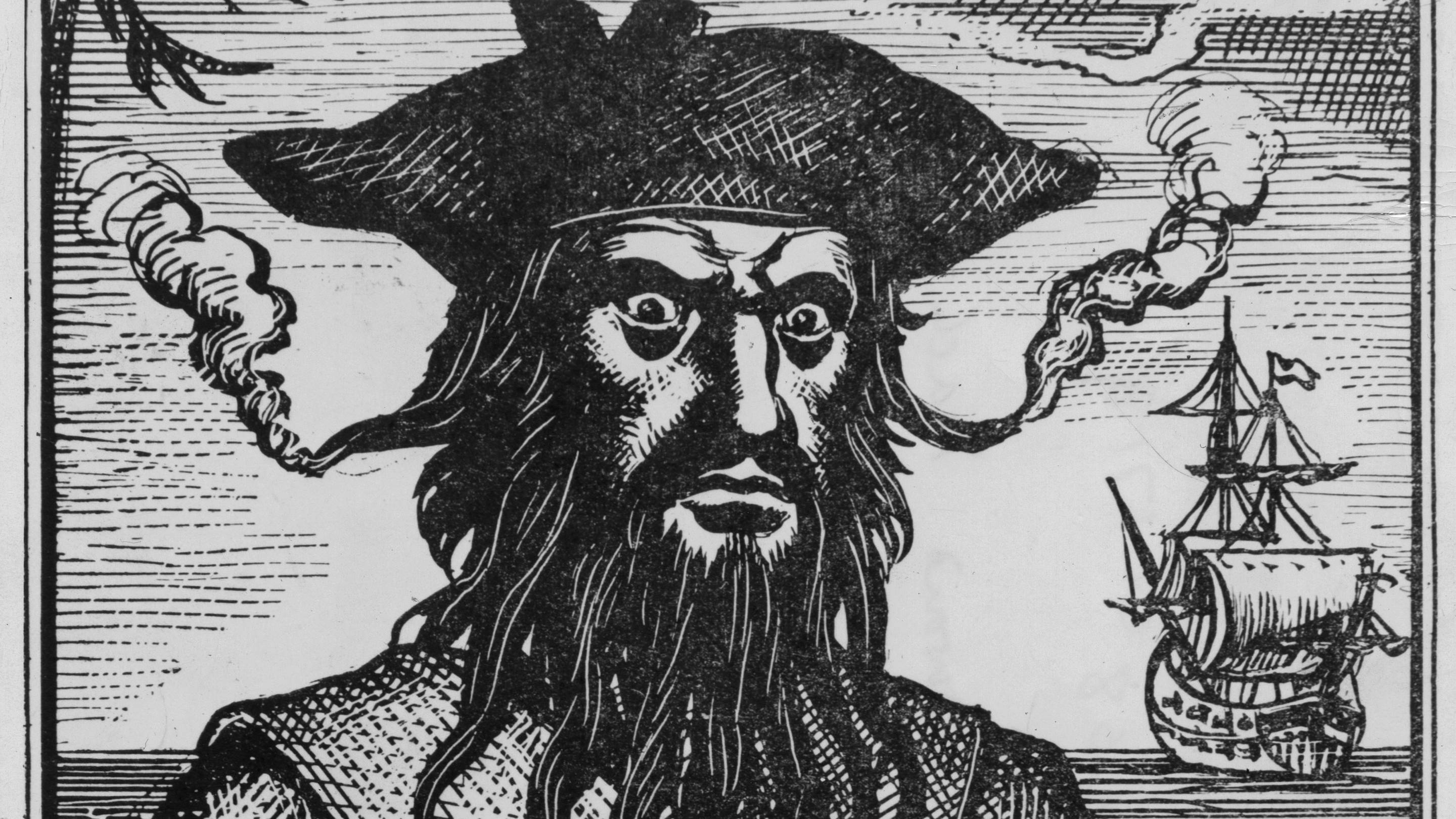
Image via Mental Floss
Five Pirate Words, Five Different Histories (and Five Different Worlds)
We tend to lump every sea raider into one costume: tricorn hat, parrot, and a single, convenient word. But language keeps receipts. Mental Floss walks through five different terms that can all translate to “pirate,” and the surprise is how specific each one becomes once you trace it back. Some words grew out of particular coasts, empires, or eras; others were shaped by how governments labeled their enemies. When you swap one term for another, you’re not just changing vocabulary—you’re changing the historical camera angle.
It’s a useful reminder for modern headlines, too. In American history, who gets called a “rebel,” a “bandit,” a “privateer,” or a “terrorist” has often depended as much on politics as on behavior. The early United States learned this the hard way in the Barbary Wars, when Mediterranean raiding collided with diplomacy, ransom, and the young republic’s desire to be taken seriously on the world stage. Words didn’t just describe the threat; they helped justify the response.
Source: Mental Floss
Read the full story at Mental Floss →

Image via Popular Mechanics
A 600-Year-Sealed Tomb at Chan Chan Opens a Window on Power, Wealth, and Rivalry
Archaeologists working at Chan Chan—the vast adobe city on Peru’s coast—opened a tomb that had been sealed for around 600 years, and what they found reads like a political biography in objects: gold, human remains, and a skull strikingly colored a deep red. Popular Mechanics reports that the burial appears to be an elite mausoleum tied to the Chimú, the Inca Empire’s most formidable rivals before the Inca ultimately absorbed them. Even in summary form, the finds hint at a carefully staged message about status: who mattered, what they possessed, and how they wanted to be remembered.
Chan Chan matters because it reminds us that “Inca history” wasn’t the only story running in the Andes—it was one chapter in a crowded political landscape of competing powers. The Chimú built coastal wealth through irrigation, craft production, and long-distance exchange, and their monumental capital signaled a state that could organize labor at scale. When the Inca expanded, they didn’t just conquer territory; they inherited rival systems, absorbed skilled artisans, and repurposed symbols of authority. Tomb discoveries like this don’t simply add glittering artifacts to a museum list; they help map how power moved from one regime to the next.
Source: Popular Mechanics
Read the full story at Popular Mechanics →
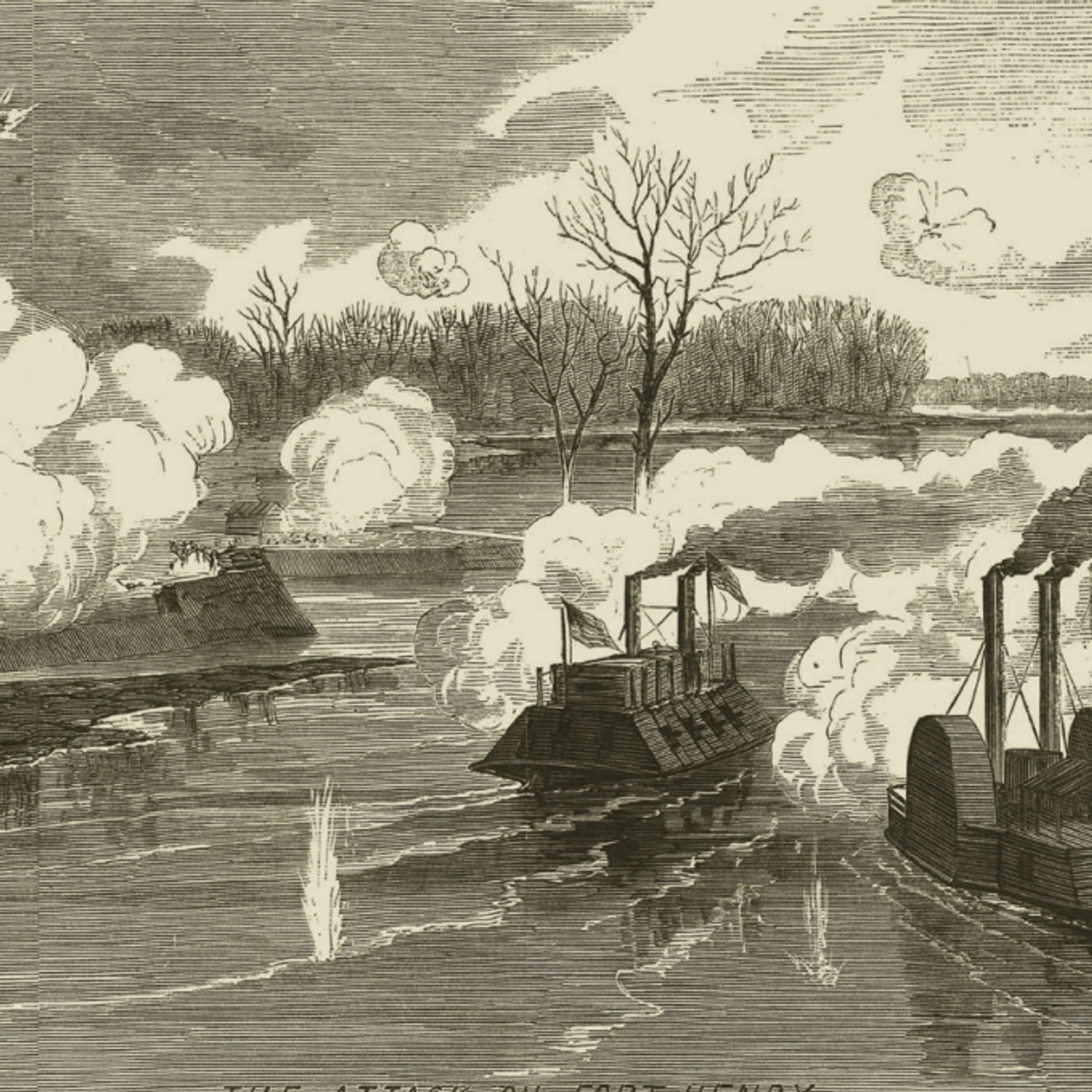
Image via World History Encyclopedia
A Victory in Real Time: Fort Henry Through the Words of the Man Who Took It
If you want to understand how history felt before it became History, read what people wrote on the day everything changed. World History Encyclopedia highlights Union Flag Officer Andrew H. Foote’s letter to his wife written the day of victory at the Battle of Fort Henry in 1862. Foote had just helped deliver a key early win for the Union in the Western Theater, using gunboats to crack Confederate defenses along the Tennessee River. The letter captures that immediate blend of relief, pride, and logistical detail—the tone of someone who knows the outcome matters, but who is still living inside the noise and uncertainty.
Fort Henry often sits in the shadow of better-known Civil War set pieces, but it was part of a strategic turning point: control of rivers as highways of war. The Union’s ability to move troops and supplies along waterways wasn’t just a technical advantage; it was a geographic one, an argument that the continent’s internal routes could be wielded as instruments of national power. Foote’s account also reminds us that the Civil War was fought by people who went home at night—or tried to—through letters. Those pages carried not only affection, but the first drafts of public memory.
Source: World History Encyclopedia
Read the full story at World History Encyclopedia →
That’s the capsule for today. If you find yourself using an easy label, picturing a tidy empire, or imagining a battle as a single dramatic moment, history is gently asking you to zoom in—because the details are where the real story lives.
— Time Capsule Editorial