The Fed held rates, inflation is still above target, and uncertainty is rising — that means the "buy anything AI" trade is over. Smart money is rotating fast toward the companies actually building AI infrastructure: chips, cloud capacity, and mission-critical data tools. Big Tech alone is projected to spend $635B–$665B on AI in 2026 — and not all of it is going where most investors are looking.
We've identified 9 AI stocks worth watching right now — including a lesser-known chip name tied to U.S. AI infrastructure, a cloud player with improving setup, and a data analytics company with government exposure. This isn't hype. It's about following where capital is actually being deployed.
Get the Free Report NowBy clicking the link above, you will receive this free report and a free subscription to the StockEarnings daily email newsletter. You are also agreeing to the terms of our Privacy Policy. Unsubscribe at any time.

Friday, October 9, 2026 | Three reminders that history isn’t just what happened — it’s what people carried with them: stories, rituals, and the way we honor the dead.

Image via Mental Floss
Before Sleepy Hollow Had a Headless Horseman, It Had a Teenager Dodging Yellow Fever
Washington Irving’s most famous spooky tale didn’t begin with a quiet country road and a pumpkin-headed rider. It began with a public health crisis. As a teenager, Irving left New York City during a yellow fever outbreak and stayed with a friend in the Hudson Valley, where the landscape, local lore, and half-whispered legends did what they’ve always done in American history: they filled the gaps where fear and uncertainty live.
The details matter because they show how folklore gets built. Irving wasn’t inventing from scratch so much as collecting impressions — old Dutch place-names, regional characters, stories that locals repeated because repeating them made the world feel a little more explainable. In a young nation still deciding what its culture sounded like, those rural tales offered a ready-made mythology. And just like that, an outbreak-fueled detour helped give the United States one of its earliest enduring pieces of literary folklore.
There’s a modern echo here that’s hard to miss: when cities empty out during epidemics or crises, people don’t just relocate — they gather new stories. Sometimes those stories become art. Sometimes they become rumor. Either way, the pipeline from disruption to narrative has been part of the American experience since the beginning.
Source: Mental Floss
Read the full story at Mental Floss →
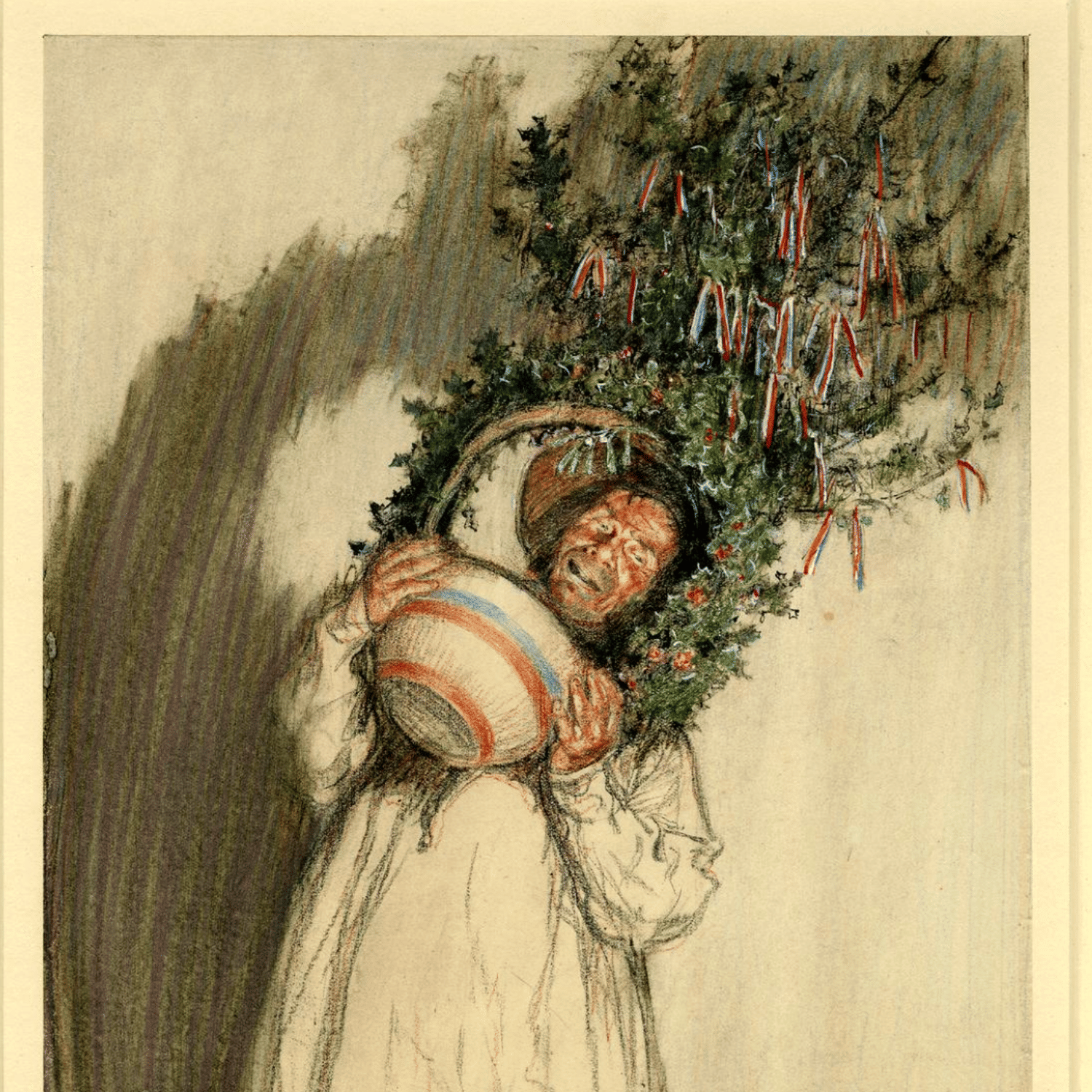
Image via World History Encyclopedia
In Merry Old England, Drinking Wasn’t Just Drinking — It Was a Social Contract
When we picture medieval and early modern England, we tend to jump straight to the stereotypes: overflowing tankards, bawdy songs, and the sort of revelry that makes for good TV. But the old drinking customs described in accounts of “Merry Olde England” weren’t only about getting tipsy. They were structured rituals that helped define who belonged, who owed what to whom, and how trust got performed in public.
Toasts weren’t mere speeches; they were pledges. Shared cups weren’t just quaint; they were communal tests of good faith. The singing, the call-and-response, even the rowdiness had a kind of order to it — a set of expectations everyone recognized. In a world where many people couldn’t read and legal institutions didn’t reach into every corner of daily life, the alehouse and feast table were places where reputation was made visible. You learned who kept their word, who could be counted on, and who might cause trouble.
It’s a useful historical lens for our own moment, too. We still use food and drink as social glue — work happy hours, holiday toasts, wedding speeches, neighborhood block parties. The format changes, but the purpose holds steady: rituals turn a crowd into a community.
Source: World History Encyclopedia
Read the full story at World History Encyclopedia →
A Child in Gold at Huacas de Moche, and the Ancient Logic of Grief
At Peru’s Huacas de Moche Archaeological Complex, archaeologists uncovered a burial that stops you in your tracks: the tomb of an 18-month-old child furnished with gold and finely made ceramics. The discovery is presented through a set of remarkable facts, but the heartbeat behind those details is familiar across human history. When a community loses a child, the question is never only what happened — it’s how the living respond, and what they insist on saying through objects.
In the Moche world, those offerings weren’t random treasure; they were messages. They spoke to status, belief, and the community’s relationship to the sacred. Across the Americas and far beyond, we see the same pattern repeated: grave goods as a kind of vocabulary for love, protection, and continuity. Some societies send the dead off with tools. Others with food. Others with symbols of rank. The items differ, but the impulse is almost universal: to make loss legible, and to imagine care extending beyond death.
For readers in the United States, it’s also a quiet correction to what many of us were taught in school. Complex civilizations in the Americas didn’t begin when Europeans arrived. They were already building monumental architecture, producing sophisticated art, and sustaining belief systems that shaped daily life and death alike. Finds like this remind us that the continent’s deep history is not a prelude — it’s a main story.
Source: History Collection
Read the full story at History Collection →
That’s the capsule for today. If you find yourself retelling a local legend, raising a glass in a familiar ritual, or pausing at an old grave marker, you’re closer to the past than you think — and history is listening right back.
— Time Capsule Editorial