Today’s Sponsor:
While other sectors stall, AI investment is accelerating — showing up in earnings calls, corporate budgets, and real-world deployment. Capital is quietly concentrating around companies with clear demand and long-term relevance, and selective opportunities are forming right now.
A new research brief identifies 2 AI stocks trading under $15 that may be positioned for the next phase of growth — including key developments that could move these names in the months ahead.
Get the Free AI Stocks ReportBy following the link above, you're choosing to opt in to receive insightful updates from Investing Ideas Daily + 2 free bonus subscriptions! Your privacy is important to us. You can unsubscribe anytime. See our privacy policy for details.

Three history threads for this Friday: France bet on concrete and got outmaneuvered; a handful of children on the margins became morality tales; and a WWII labor “emergency” program quietly wrote rules that farmworkers have been fighting ever since.
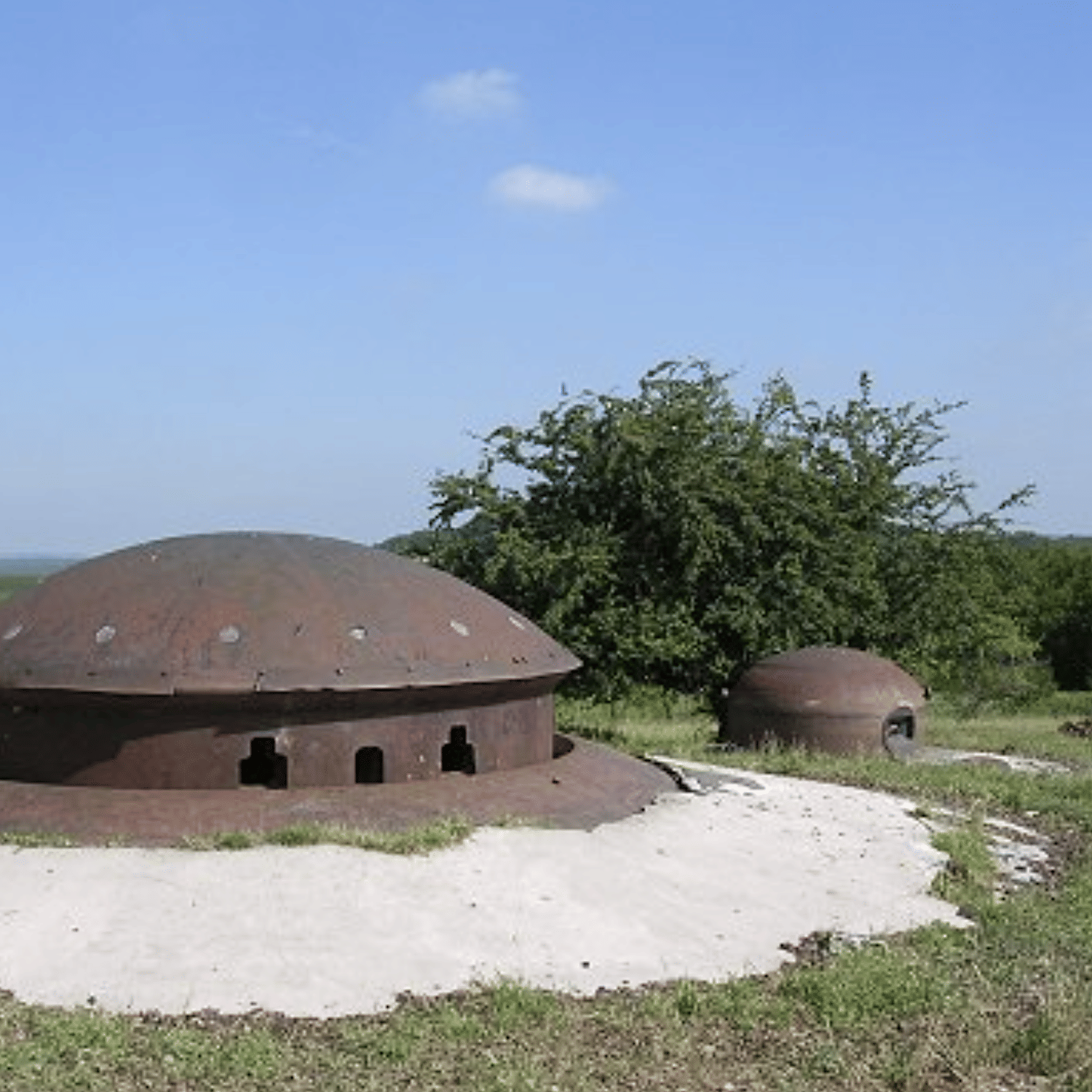
Image via WorldHistory.org
The Maginot Line: When a Nation Tried to Make Safety Permanent
In the 1930s, France poured extraordinary money, engineering talent, and political hope into the Maginot Line—an interlocking belt of fortifications meant to prevent another German invasion. It wasn’t just a row of bunkers. It was a system: underground galleries, artillery casemates, machine-gun positions, living quarters, power, ventilation, and rail-like logistics designed to keep soldiers supplied and protected for long stretches. On paper, it promised something France desperately wanted after World War I: time—time to mobilize, time to deter, time to avoid the kind of surprise that had chewed through lives and landscapes.
The lesson history keeps circling back to is not “fortifications are useless,” but “fortifications are arguments about where the future will arrive.” The Maginot Line was strongest where France expected the next war to come, and weaker where politics, budgets, and assumptions got in the way—especially around the idea that difficult terrain or neighboring borders would naturally limit an attacker. In 1940, German forces did not obligingly collide head-on with the thickest concrete; they found routes around it, turning the Line from a wall into a fixed point on a moving battlefield. The Line still stands in public memory as a symbol of misplaced certainty—how yesterday’s trauma can shape tomorrow’s strategy so tightly that it becomes predictable.
Even now, the Maginot Line is a useful historical mirror: it shows how societies convert fear into infrastructure, and how infrastructure can lock in a particular worldview. The engineers built marvels. The problem wasn’t effort. It was the wager that the next crisis would resemble the last one closely enough to be stopped by the same kind of thinking—just reinforced with more steel and concrete.
Read the full story at WorldHistory.org →

Image via All That's Interesting
Feral Children and the Stories We Keep Retelling About “Human Nature”
Across centuries, reports of “feral children”—young people found living apart from society, sometimes said to have survived with animals—have fascinated the public and unsettled scholars. The accounts vary wildly, from well-documented cases of profound isolation to stories that blur into rumor, exploitation, and sensationalism. What ties them together is the stark question they force onto any culture that encounters them: what, exactly, makes someone “human” in the social sense—language, touch, routines, care, community?
This collection of nine stories traces how quickly curiosity can become spectacle. Some children were abandoned or fled abuse; others were likely disabled, orphaned, or pushed to the edges by poverty and upheaval. When they were “discovered,” they often became objects for experiment, charity, religious debate, or entertainment—treated less like kids with trauma and more like proofs for someone else’s theory. History is full of moments where vulnerable people were turned into symbols; feral-child narratives are a particularly haunting version, because they sit at the crossroads of science, morality, and myth.
The enduring takeaway is uncomfortable but important: these stories tell us as much about the societies that found (and often mishandled) these children as they do about survival itself. The real historical record points to something simple and radical—how much human development depends on early caregiving, language exposure, and stable attachment—and how devastating it can be when those basic needs are denied.
Read the full story at All That's Interesting →
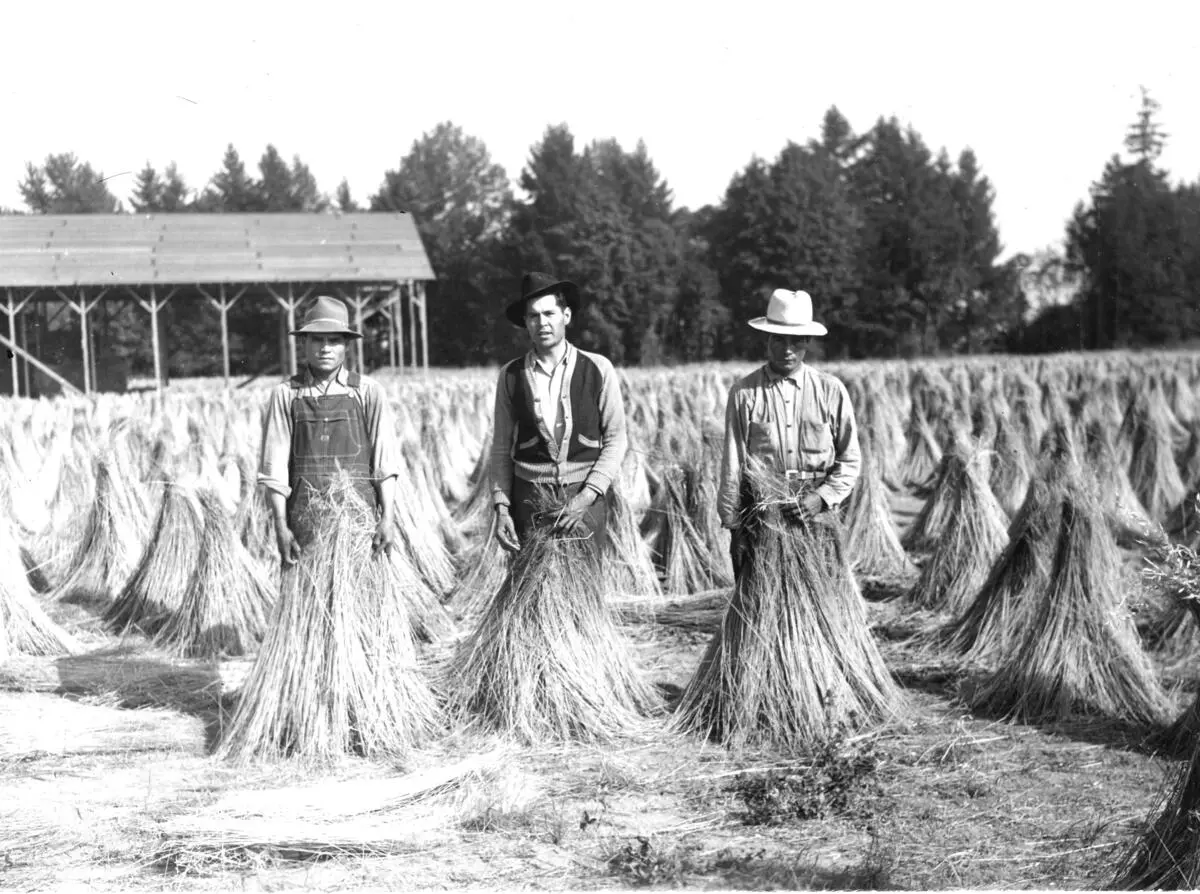
Image via War History Online
The Bracero Program: A WWII “Temporary” Fix That Outlived the War—and Rewired Farm Labor
In 1942, the U.S. and Mexico launched the Bracero Program as a wartime labor solution: American agriculture needed workers, and a bilateral deal promised an orderly flow of contracted Mexican laborers to keep fields producing. In the language of emergency, it sounded finite—an arrangement to get through World War II. In practice, it became one of the most consequential labor programs in modern U.S. history, shaping the agricultural workforce, employer power, and the long struggle over who gets rights, stability, and dignity in the fields.
The program’s legacy is complicated because its promises and realities often diverged. Contracts and safeguards existed on paper, but many braceros faced wage issues, harsh conditions, and limited recourse—problems amplified by the structural imbalance of a system where employers held tremendous leverage. Over time, this “temporary” pipeline influenced labor markets well beyond the farms that used it, affecting organizing efforts and the political narratives around migration and work. The story also helps explain why later farmworker movements had to fight not just for better pay, but for basic recognition that agricultural laborers deserved the same protections other workers could more easily claim.
Framed against commemorations like César Chávez Day, the article argues for seeing the farmworker movement not as an isolated moral awakening but as the result of decades of policy decisions that set the terms of farm labor. WWII didn’t only reshape battlefields overseas; it remade domestic economies and institutions at home—and sometimes the “emergency measures” became the new normal long after the emergency ended.
Read the full story at War History Online →
That’s the capsule for today—three reminders that history isn’t just what happened, it’s what people built, believed, and normalized. See you next time with another set of overlooked threads connecting then to now.
— Time Capsule Editorial