Today’s Sponsor:
Nuclear energy stocks surged 40%+ this year as the next buildout cycle accelerates toward 2026. One uranium producer just generated nearly $200 million in quarterly free cash flow, while other nuclear companies locked in massive government contracts—all driven by real earnings and exploding demand as U.S. capacity is projected to triple.
Our analysts identified 7 nuclear stocks positioned to capitalize on this trend right now. Some offer explosive upside tied to uranium prices, others provide steady growth from infrastructure contracts. Get the complete list with names and tickers free today—but this report moves behind the paywall soon.
Get the Free ReportBy clicking the link above, you will get this free report and a free subscription to MarketBeat's daily email newsletter. You are also agreeing to the terms of our privacy policy. Unsubscribe at any time.

Today’s headlines look forward — new construction, new discoveries, new explanations for old collapses. But the most revealing stories this week are literally underground, where Paris, Tudor England, and ancient Egypt remind us that history is never as buried as we think.

Image via Discover Magazine
Notre-Dame’s Newest Chapter Is Underground — and It’s 2,000 Years Old
In the long shadow of Notre-Dame, archaeologists have been doing the kind of work that makes a modern city feel suddenly ancient: peeling back layers of everyday life that predate the cathedral by more than a millennium. Parisian officials have been calling it the “dig of the century,” and the reason is simple — discoveries near the heart of the city are offering a rare, concentrated cross-section of Paris’s past, with artifacts dating back nearly 2,000 years.
What makes a site like this so powerful isn’t just the age of the objects; it’s the way they map time. In a dense capital where streets and skylines constantly rewrite themselves, archaeology becomes a stubborn record keeper. The finds outside Notre-Dame help trace how the city evolved from a Roman-era settlement into the medieval metropolis that would eventually raise the cathedral itself — a reminder that Europe’s most famous “old” monuments often sit atop much older stories of trade, worship, work, and ordinary lives.
Source: Discover Magazine
Read the full story at Discover Magazine →
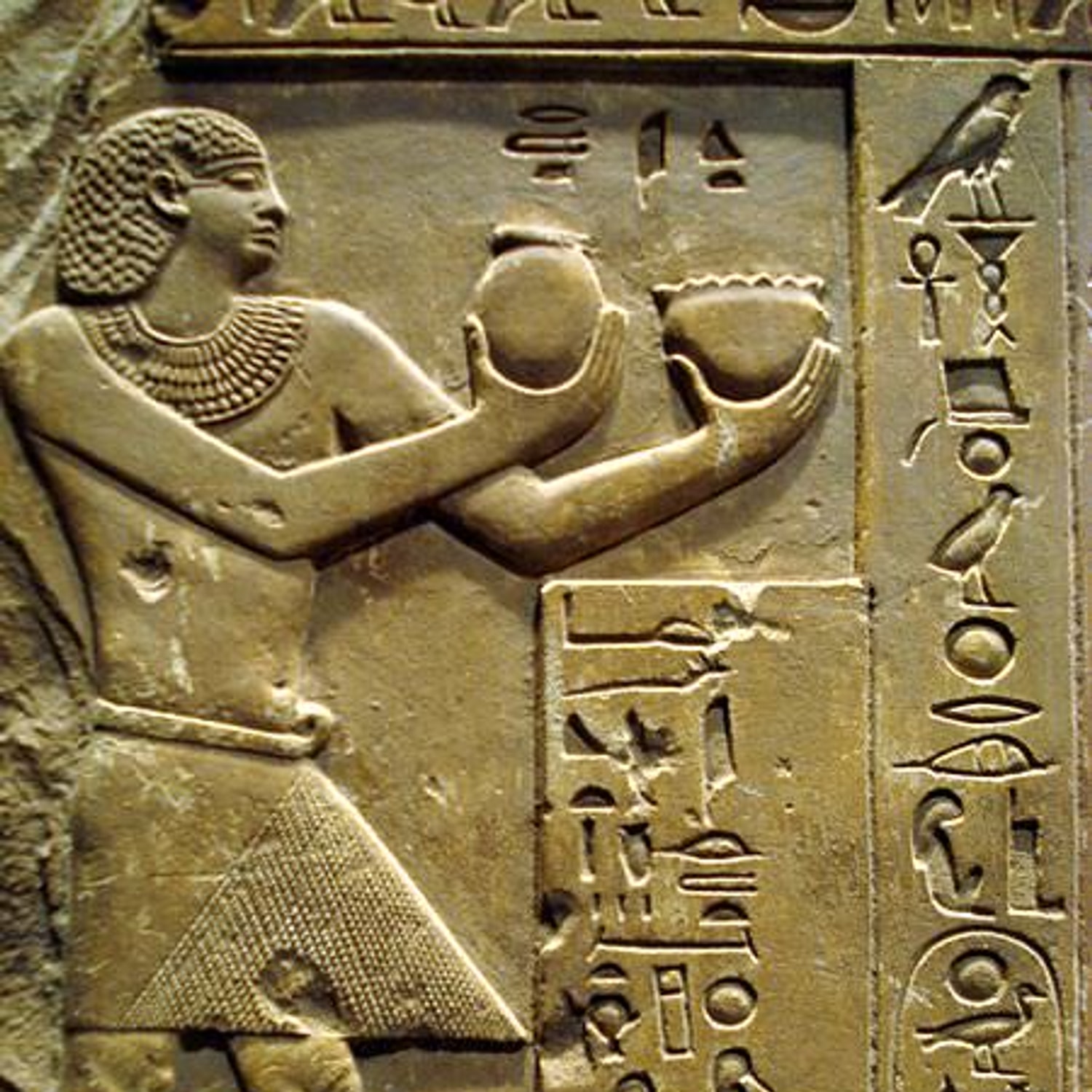
Image via World History Encyclopedia
When Egypt’s Center Couldn’t Hold: The First Intermediate Period and the Price of Fragile Order
Ancient Egypt is often taught as a steady parade of pharaohs and pyramids — a civilization that looks permanent from a distance. But the First Intermediate Period is the uncomfortable chapter that shows how quickly “eternal” systems can wobble when leadership, climate, and institutions shift at the same time. In this era, the political center weakened after the long reign of Pepi II, with questions over succession landing on a system that had already begun to strain.
World History Encyclopedia highlights a crucial dynamic: the rise of the priesthood and other local powers, combined with a severe drought, helped fracture centralized rule. That mix matters because it’s not a single dramatic cause; it’s a pile-up. Environmental stress tests food supply and legitimacy. Political uncertainty invites rivals to fill the vacuum. Religious institutions, often essential for stability, can also become alternative centers of authority when the state falters. The First Intermediate Period is less a “dark age” than an era of transformation — proof that collapse is sometimes a reorganization, with new power arrangements forming in the cracks of the old.
Source: World History Encyclopedia
Read the full story at World History Encyclopedia →

Image via All That’s Interesting
A Schoolyard Surprise in England: Hidden Tunnels Tied to Henry VIII’s World
Beneath a school in Chelmsford, England, workers have uncovered something that feels pulled from a historical thriller: hidden tunnels believed to be about 500 years old, potentially linked to a lavish country estate associated with King Henry VIII. Finds like this are a sharp reminder that “the Tudor era” wasn’t just a courtly drama in London — it was also a physical landscape of estates, service corridors, and secretive infrastructure built to support power, privilege, and logistics.
If the tunnels are indeed connected to the Beaulieu estate, they hint at the practical underside of pageantry. Great houses weren’t only stages for banquets and politics; they were complex machines. Hidden passages could move servants, supplies, and messages with discretion, and they could protect valuables or provide secure routes during unrest. Either way, the discovery adds texture to the Henry VIII story we tend to reduce to marriages and monarchy: power leaves footprints — and sometimes it leaves corridors.
Source: All That’s Interesting
Read the full story at All That’s Interesting →
That’s the Time Capsule for today — three reminders that the past isn’t behind us so much as beneath us, waiting for the moment someone digs, drills, or asks the right question. See you tomorrow.
— Time Capsule Editorial