Today’s Sponsor:
Wall Street's been using ruthless, unemotional algorithms to run 80%+ of all stock trades — and that number keeps climbing. K.I.R.A. is the advanced AI engine built to level the playing field, giving everyday traders the same edge as the pros. It analyzes the market and hands you three distinct trade approaches — tailored to your risk tolerance — so you're never left guessing.
You don't have to take anyone's word for it. Fire up K.I.R.A. right now and see exactly what it surfaces for today's trades. The robots aren't waiting — and neither should you.
Access K.I.R.A. Now — See Today's TradesBy clicking the link above you agree to periodic updates from The TradingPub and its partners. Privacy Policy

Three very different places—ancient Egypt, Abbasid Baghdad, and a Scottish loch—tell the same story: power shifts, knowledge migrates, and the past survives in the most unexpected hands.
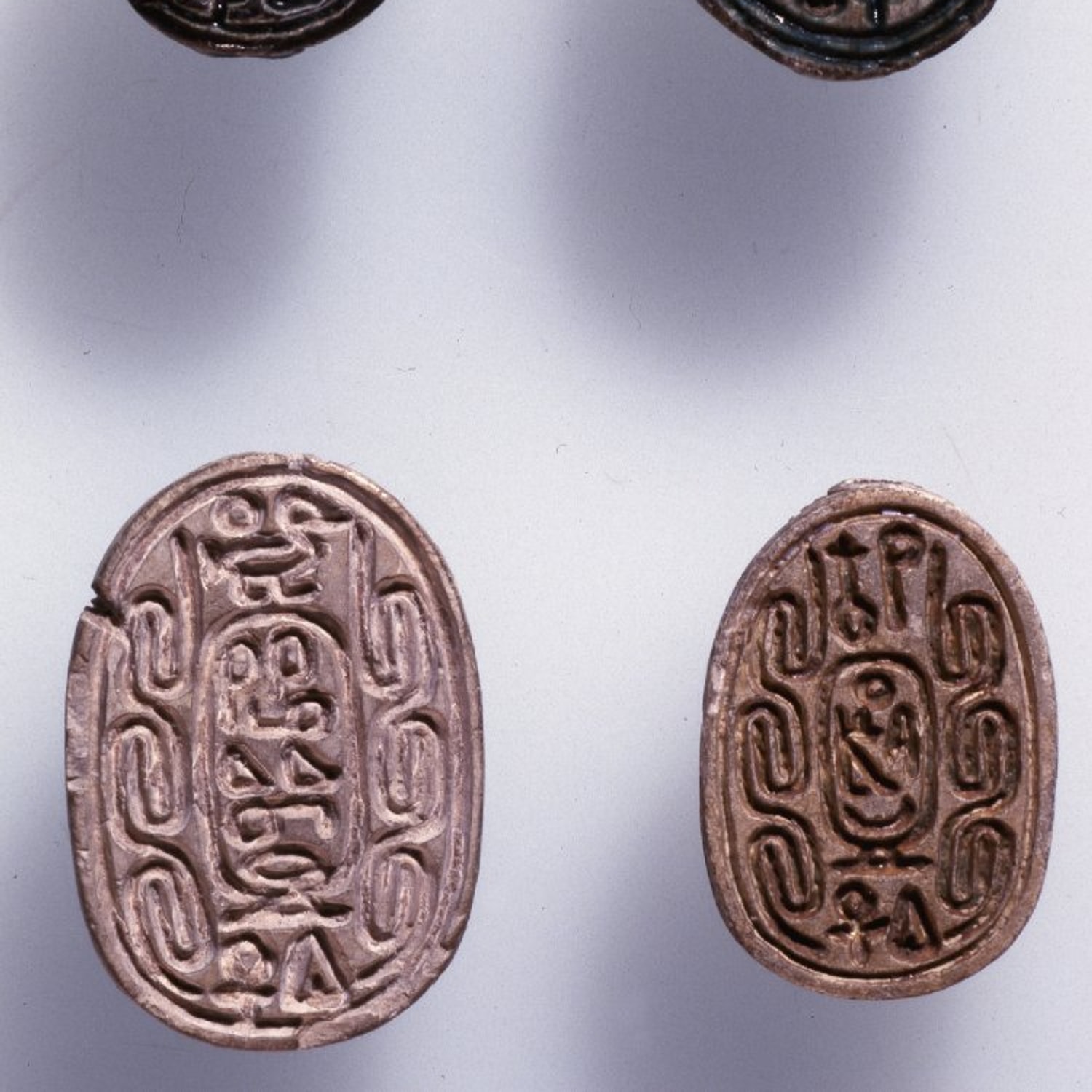
Image via World History Encyclopedia
The Hyksos: Egypt’s “Foreign Rulers” Who Brought a New Playbook
Around 1782 BCE, a West Semitic-speaking people later labeled the Hyksos established themselves at Avaris in Egypt’s Nile Delta—an entry point that turned into a seat of power. Egyptian sources would remember them as "rulers of foreign lands," but the more revealing detail is how they got in: not as a single Hollywood-style invasion, but through footholds, alliances, and the slow accumulation of leverage in a region already connected to the Levant by trade and migration.
What followed wasn’t just a political episode—it was a technological and administrative jolt. The Hyksos period is associated with changes in warfare and governance that Egyptians later absorbed and refined, including improved military hardware and tactics that mattered when Egypt eventually expelled them and launched the New Kingdom. History loves clean moral arcs—"outsiders disrupt, locals restore"—but the Hyksos story reads more like a recurring pattern: a society under stress adopts what it once framed as foreign, then uses those tools to reinvent itself.
Read the full story at World History Encyclopedia →
Baghdad’s House of Wisdom: Where Greek Ideas Went When Europe Couldn’t Hold Them
In 830 AD, Abbasid Caliph al-Ma'mun founded the Bayt al-Hikma—the House of Wisdom—in Baghdad, and it functioned less like a quiet library and more like an engine room for scholarship. Translators, scientists, and philosophers worked to render Greek texts into Arabic, debate them, correct them, and extend them. The point wasn’t nostalgia for antiquity; it was utility. Philosophy, mathematics, astronomy, and medicine were treated as living disciplines that could strengthen a civilization.
The irony that still feels modern is how knowledge survives: not by being universally cherished, but by being intensely valued somewhere. While parts of Europe entered periods of institutional contraction, Baghdad invested in intellectual infrastructure—patronage, translation projects, and a culture of inquiry—and the result was preservation plus innovation. Many Greek works that later re-entered Western Europe did so through Arabic intermediaries, a reminder that "Western" intellectual heritage has always been more braided—and more global—than the tidy timelines we were taught.
Read the full story at History Collection →

Image via Atlas Obscura
Loch Doon Castle: A Scottish Stronghold That Keeps Getting Rewritten
Loch Doon Castle, built by the Earls of Carrick in the late 1200s, sits on the edge of a deep, remote loch in Dalmellington—exactly the kind of place that invites legends to move in. Some stories attach it to Robert the Bruce, and even when the paperwork points elsewhere, the association makes a kind of cultural sense: this is the landscape of the Wars of Scottish Independence, where castles weren’t just buildings, but arguments in stone about who held authority.
The castle’s later fate is part of what makes it feel like a time capsule. Its ruins stand today because the original structure was effectively displaced—its stones and story pushed around by later needs and later engineering, leaving a fragment that’s both historical site and historical prompt. Loch Doon is a good reminder that medieval power wasn’t only decided in grand capitals; it was enforced in wet, windy places like this, where control of a crossing, a supply line, or a local loyalty could matter as much as any crown.
Read the full story at Atlas Obscura →
That’s the capsule for today—three reminders that history doesn’t just happen in textbooks. It happens at borders, in translation rooms, and in the stubborn ruins that outlast the people who built them.
— Time Capsule Editorial