Policy is already moving markets in 2026 — trade enforcement, regulatory shifts, and tax positioning are redirecting capital right now. Institutions reposition before the headlines catch up, and the window to act early is closing fast.
Our analysts identified 5 stocks showing real momentum tied directly to current administration policy themes — including the sectors benefiting most from domestic investment trends and regulatory tailwinds. Don't get left behind.
Get the Free Report Now(By following any of the links above, you're choosing to opt in to receive insightful updates from The Investment News Daily + 2 free bonus subscriptions! Your privacy is important to us. You can unsubscribe anytime. See our privacy policy for details.)

Three stories, one familiar theme: the past doesn’t just haunt the present — it explains why people reach for power, how communities get built, and what happens when leaders plan for the long game.

Image via History Extra
The Falklands War wasn’t "sudden" — it was decades of history colliding in 74 days
When Argentina invaded the Falkland Islands on April 2, 1982, it looked like a bolt from the blue: a remote, wind-lashed archipelago suddenly at the center of world attention. But the conflict was less a surprise than a compressed history lesson. Competing claims over the islands stretched back to the age of empire, with Britain consolidating control in the 1830s and Argentina maintaining that the islands were part of its inherited territory after independence. By the late 20th century, those old maps and old arguments had hardened into national identity on both sides.
The immediate spark was political as much as geographic. Argentina’s ruling military junta faced deep domestic unrest and economic crisis, and the gamble of a patriotic victory offered a way to rally the public. Britain, led by Margaret Thatcher, responded with a task force dispatched across the Atlantic, turning an argument over sovereignty into a high-stakes test of resolve. The war that followed was short and decisive, but the reasons it happened weren’t: they were rooted in long-running diplomatic failures, misread signals, and the way leaders sometimes treat faraway territory as a shortcut to legitimacy at home.
Source: History Extra
Read the full story at History Extra →
A Celtic crossroads in France reveals commerce, community, and captivity — all in one dig
Archaeologists working near Allonnes in central France have uncovered remains from a 2,300-year-old Celtic settlement positioned at what appears to have been an ancient crossroads — the kind of location that tends to attract people, goods, and power. The headline find is haunting: five pairs of iron shackles. It’s the kind of object that cuts through romantic visions of the ancient past. A crossroads settlement wasn’t just a place for trading pottery or livestock; it could also be a place where authority was enforced, where labor was controlled, and where human lives were treated as assets.
Crossroads sites matter because they’re where everyday life meets larger systems. In Iron Age Europe, movement along routes shaped politics as much as it shaped markets. A settlement like this could serve as a hub for regional exchange, a staging point for alliances, or even a checkpoint where tolls, tribute, or captives changed hands. Finds like shackles force the question: who benefited from this connectivity, and who paid the cost? The answer is rarely simple, but it’s rarely flattering.
Source: Archaeology Magazine
Read the full story at Archaeology Magazine →
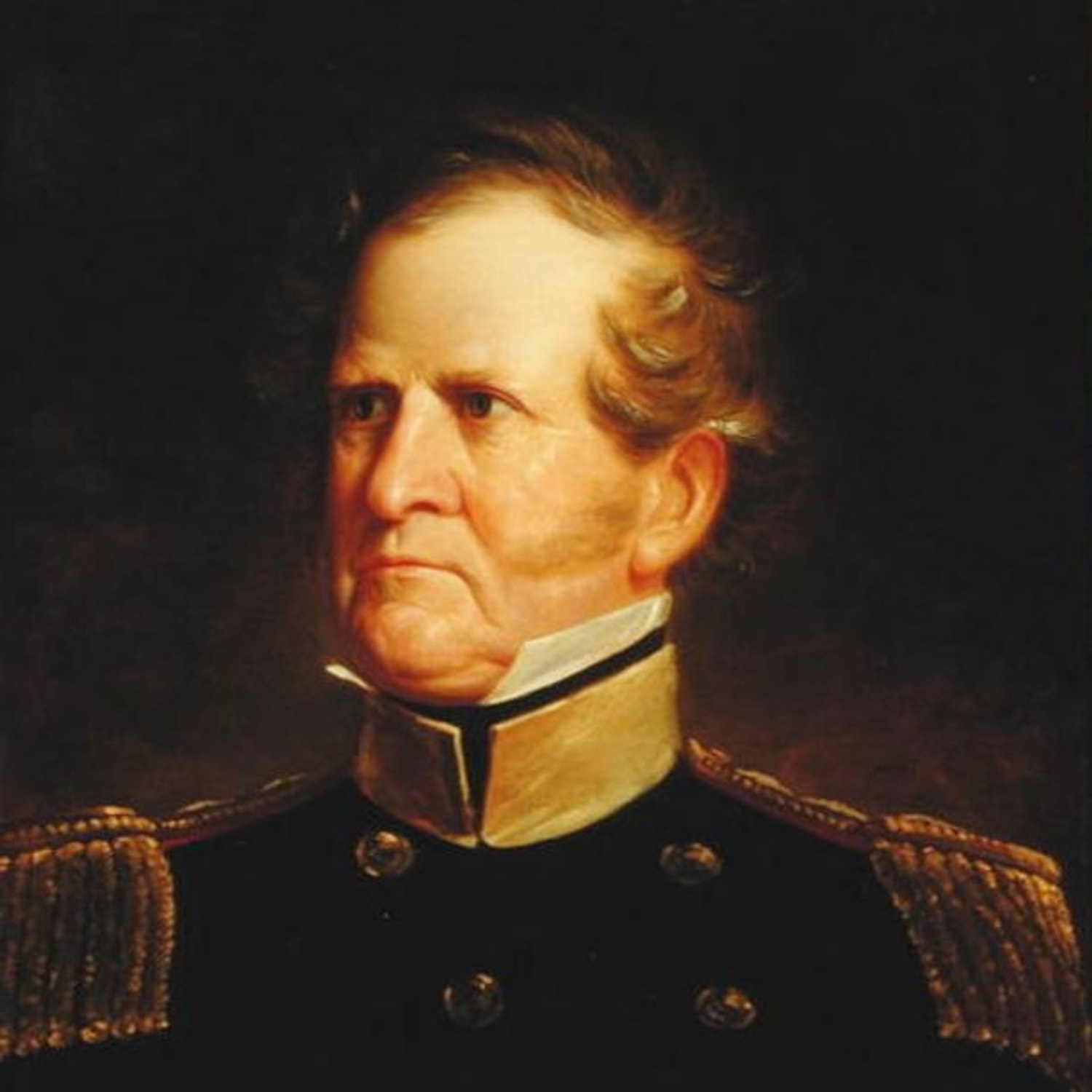
Image via World History Encyclopedia
Winfield Scott’s quiet superpower: turning war into logistics before logistics had a name
Winfield Scott is easy to misremember as just another name in a long line of American generals — until you look at how often he shows up at turning points. Spanning the War of 1812, the Mexican-American War, and the uneasy years before the Civil War, Scott built a reputation not only for battlefield performance but for something less glamorous and more enduring: professionalization. He pushed for discipline, training, and standards in an army that often depended on short-term volunteers and political appointments. In a young republic, that kind of institutional thinking was its own form of strategy.
Scott’s most famous Civil War-era contribution came before the war’s outcome was clear: the so-called Anaconda Plan, a proposal to squeeze the Confederacy through naval blockades and control of the Mississippi rather than chasing quick, dramatic victories. Critics mocked it as slow, but history has a way of vindicating plans that take industry, geography, and supply lines seriously. Scott’s career is a reminder that the shape of victory is often drafted years in advance by leaders who understand that wars are won not just with courage, but with systems.
Source: World History Encyclopedia
Read the full story at World History Encyclopedia →
That’s the capsule for today. If you’ve ever wondered why certain conflicts flare, why certain towns thrive, or why certain plans outlast their critics, history keeps offering the same gentle nudge: look beneath the headline — the roots are usually older than we think.
— Time Capsule Editorial
|
🕰️ Don't Miss a Beat Get exclusive history stories & subscriber-only offers sent straight to your phone. Text-only extras you won't find in the newsletter. Join Our SMS List → |