Today’s Sponsor:
When the U.S. government quietly takes ownership stakes in public companies, stocks don't just move — they explode. One tripled overnight. Another surged 200% before the market opened. A third went public days after a formal government partnership in one of the biggest tech IPOs in years. This isn't speculation — it's in the official filings.
A free report reveals all 24 companies named in the government's official partnership announcement, which ones you can trade right now, plus a bonus list of 5 companies where the government took direct ownership stakes — and exactly how each stock reacted when the deal went public. Straight from the source. Fully verified.
Get the Free Report NowClicking the link above subscribes you to future messages from Equiscreen, LLC and provides instant access to two additional bonus subscriptions from our marketing partners. Unsubscribe anytime. View Privacy Policy

Three reminders that history isn’t just what happened — it’s what we decided to keep doing, what we tried to erase, and what survived by staying small.

Image via All That’s Interesting
A Century of Balloons and Belonging: The Macy’s Parade as a Moving Mirror
The Macy’s Thanksgiving Day Parade has been marching through New York City since 1924, but it has never really been the same parade twice. A new photo collection traces that evolution across roughly a century: early years when the spectacle looked more like a neighborhood procession, mid-century decades when balloons and broadcast TV turned it into a national appointment, and modern years when the route, security, sponsorships, and crowd management reflect a very different urban reality.
What stands out in a long view is how the parade has functioned as a kind of public calendar. In the 1920s and 1930s, big city parades were part of a growing mass culture where department stores weren’t just retail — they were civic stages. As the parade professionalized, it became both a tourism engine and a ritual of reassurance: even amid economic downturns, war years, and periods of social tension, the promise stayed consistent — there will be music, there will be giant characters drifting between buildings, and Santa will arrive right on time.
The transformation also tracks the story of American public space. When you compare the older images to today’s highly choreographed production, you can see changing assumptions about crowds, safety, commercialization, and what it takes to create a shared moment for millions of strangers at once. The parade isn’t only nostalgia; it’s a record of how Americans learned to gather, to watch, and to feel like a nation for a morning.
Source: All That’s Interesting
Read the full story at All That’s Interesting →
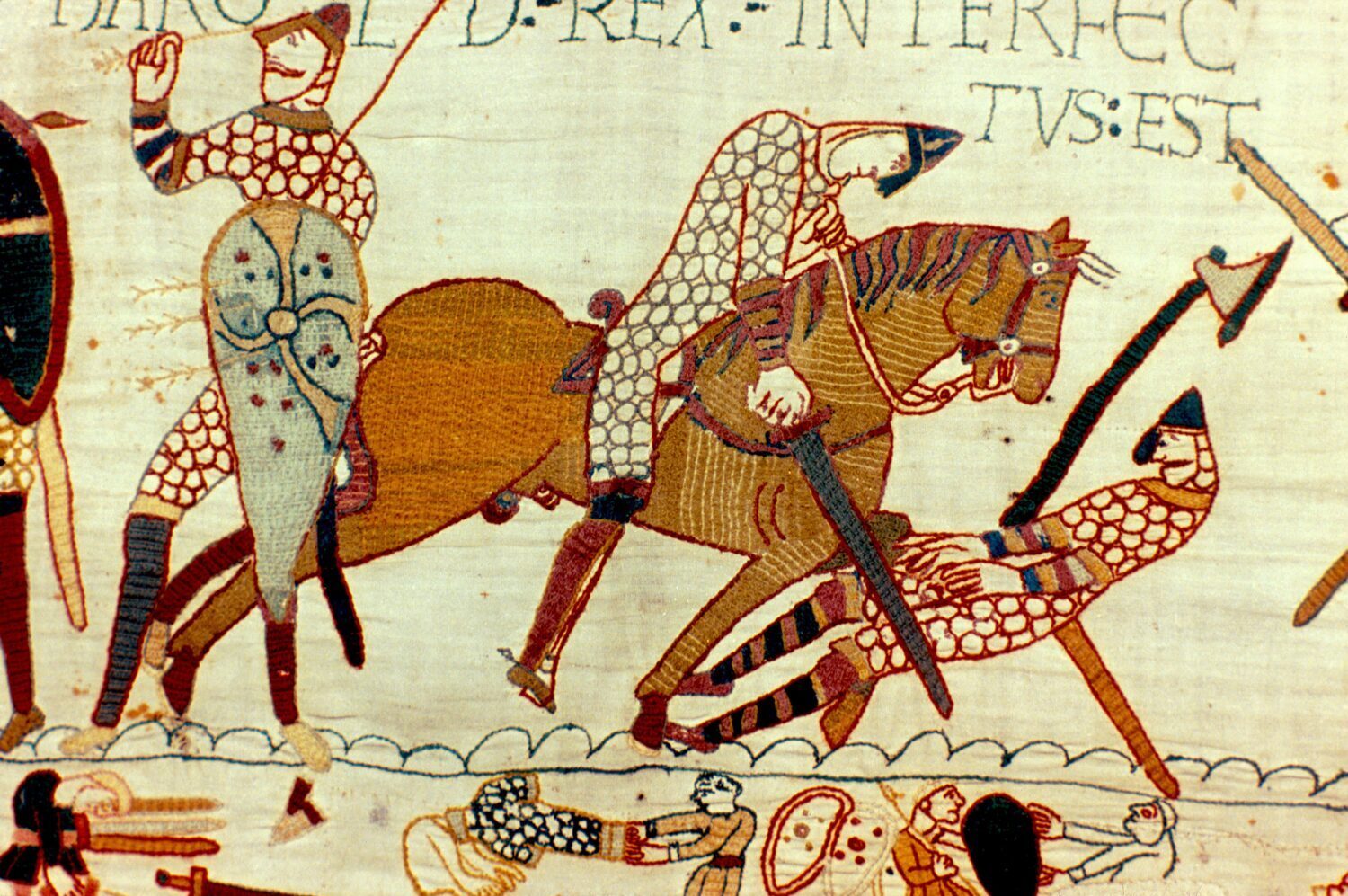
Image via HistoryExtra
After Hastings, the Real Contest Was the Children Left Behind
The Battle of Hastings in 1066 is often told like a clean ending: Harold Godwinson falls, William the Conqueror wins, and England turns a page. But history rarely offers neat conclusions, especially when the defeated king has children. A new explainer follows what happened to Harold’s heirs after the Norman takeover — and why William had every reason to keep watch on them, even after the crown was secured.
In medieval politics, bloodlines didn’t stop mattering just because a battle was lost. Children and close relatives of a fallen ruler could become rallying points for resistance, diplomatic pawns in foreign courts, or inconvenient symbols that wouldn’t go away. That is why so many new regimes, from medieval kingdoms to modern states, obsess over succession: not simply who holds power today, but who might plausibly claim it tomorrow.
Harold’s family story also highlights a familiar historical pattern: when a conquest succeeds, the struggle shifts from the battlefield to administration, legitimacy, and narrative control. Winning is one thing; making your rule feel inevitable is another. The fates of the conquered ruler’s children — where they went, who protected them, and whether they remained threats — reveal how fragile a new order can be, even after a famous victory.
Source: HistoryExtra
Read the full story at HistoryExtra →

Image via Atlas Obscura
A Walled Community for Women Who Chose Neither Marriage Nor the Cloister
Tucked in Anderlecht, near the Collegiate Church of Saints Peter and Guido, sits a lesser-known historical treasure: the Beguinage of Anderlecht. Atlas Obscura spotlights this quiet complex as a surviving clue to a once-wider European tradition — communities designed for beguines, lay religious women who pursued a life of devotion and service without taking permanent monastic vows.
Beguinages matter because they complicate the tidy categories we tend to impose on the past. For centuries, many European women were expected to choose a narrow set of life paths. Beguine communities offered something different: a structured, religiously oriented life with room for work, mutual support, and a degree of autonomy. They were not simply spiritual spaces; they were social infrastructure, often tied to care for the sick, education, and the everyday needs of a town.
Seeing a beguinage still standing today is a reminder that history isn’t only the story of kings, wars, and parliaments. It’s also the architecture of daily life: courtyards, chapels, walls, and rules that shaped how people lived together. Places like Anderlecht preserve the evidence of choices people made to build alternative forms of community — and they invite a modern question, too: what kinds of supportive, semi-private spaces do we create now for lives that don’t fit the default script?
Source: Atlas Obscura
Read the full story at Atlas Obscura →
Thanks for spending part of your Friday in the past with me. If you noticed a pattern in today’s stories — public ritual, political legitimacy, and quiet communities that outlast empires — you’re already reading history the way it actually works.
— Time Capsule Editorial