AI is leaving the screen and entering the real world—robots, factories, vehicles, intelligent machines. A new wave of market leaders is forming right now, and the investors who move early could have a serious edge. Wait for the headlines, and you'll be buying into Wall Street's next crowded trade.
We put together a free report revealing 5 stocks positioned at the center of the Physical AI revolution—including the technologies, growth drivers, and risks you need to know. Your copy is available now, but not indefinitely.
Get the Free Report NowBy clicking the link above you agree to receive emails from StockEarnings and our affiliates. You can opt out at any time. Privacy Policy.

Three stories today: a writer’s tough-love note, a shipboard atrocity that reshaped abolitionist politics, and a Stone Age logistics puzzle hiding in plain sight.
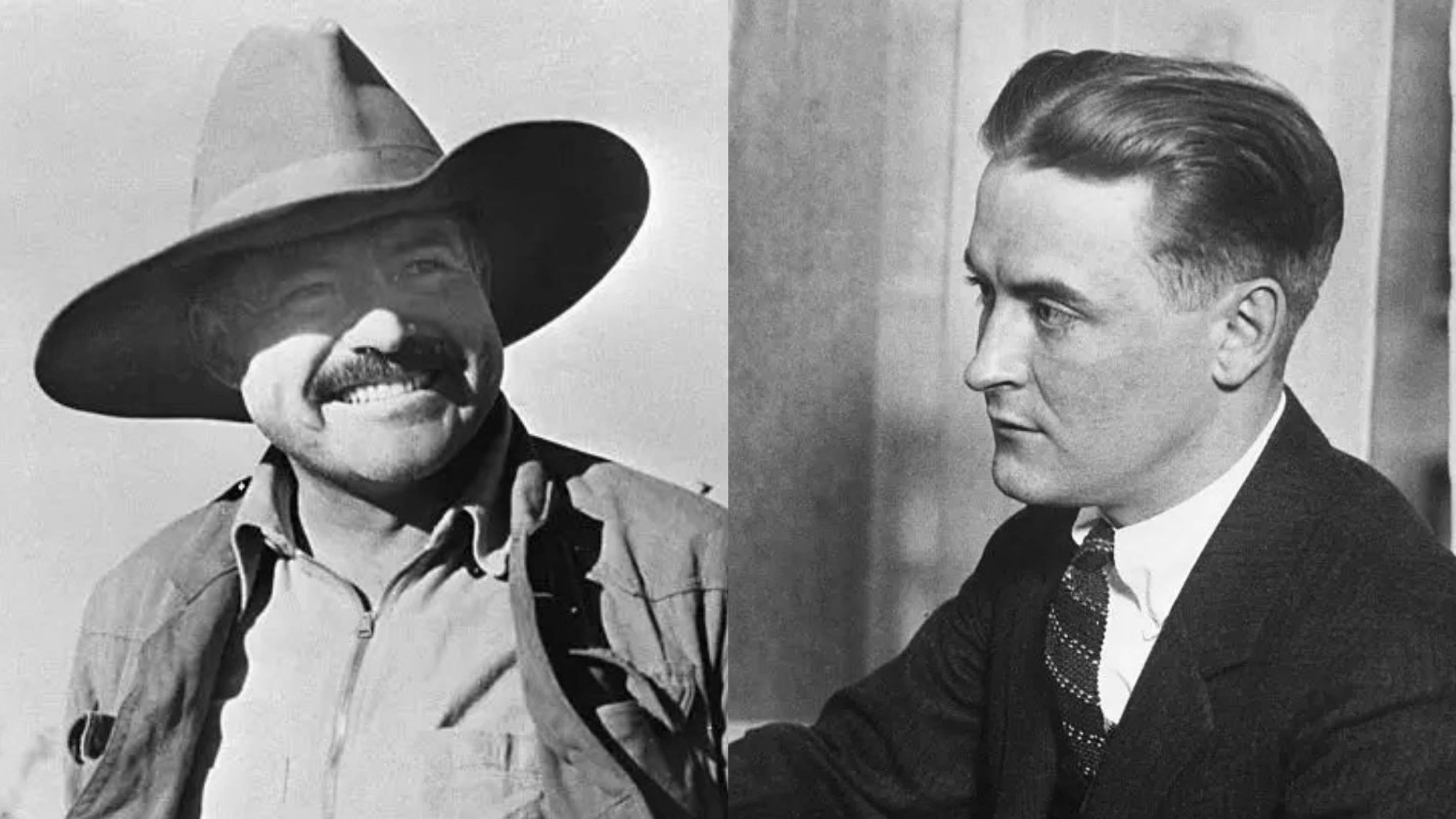
Image via Mental Floss
Hemingway’s Tough-Love Note to Fitzgerald: Stop Auditioning for Approval, Start Writing
In 1934, Ernest Hemingway sent F. Scott Fitzgerald a letter that reads like a cold splash of water on a tired face. Fitzgerald, battered by reviews, money trouble, and his own spiraling self-doubt, had been turning his attention toward what other people thought of him. Hemingway’s message was blunt: quit the self-pity, stop measuring yourself by other people’s opinions, and do the work. In other words, if the world is noisy, the page is quiet—go there.
It’s an old argument between writers, and not just writers: do you protect your inner life, or do you feed it to the crowd? The 1930s were a rough decade to be a celebrity artist. Modern mass media had matured enough to create fame, but not enough to cushion the fall when the public got bored. Hemingway’s advice wasn’t gentle, but it was rooted in a very specific historical moment when reputations could be made and unmade in a news cycle that suddenly felt fast. His letter reminds us that the anxiety we associate with today’s constant commentary has deep roots—and that one of the most time-tested survival strategies is simply returning, again and again, to the craft itself.
Source: Mental Floss
Read the full story at Mental Floss →

Image via HistoryExtra
The Slave Ship Case That Echoed Far Beyond the Atlantic
Siddharth Kara revisits one of the most horrifying episodes in the history of the transatlantic slave trade: the massacre aboard a slave ship long associated in popular memory with the name Zong. The events, which involved the deliberate killing of captive Africans during the voyage, were not only a human catastrophe—they also became a legal and political flashpoint. When the violence reached the courts, the proceedings exposed a grim reality: in the logic of the slave economy, murdered people could be treated as lost property, with paperwork and insurance arguments standing in for moral reckoning.
That detail matters because it shows how abolitionist politics often advanced: not just through sermons and protests, but through public disgust when the system’s own records revealed what it truly was. Historically, atrocities that are carefully documented can become turning points, precisely because they leave less room for denial. The shipboard killings became a story that traveled—through newspapers, courtroom summaries, and activist networks—and helped fuel a growing movement that insisted the law could not keep pretending this was ordinary commerce.
There’s a pattern here Americans keep relearning: institutions often change only after their own procedures create an undeniable paper trail. The past reminds us that moral arguments and administrative details are not separate worlds. Sometimes the most consequential political spark is the moment the public sees, in plain ink, how a society has been balancing its books.
Source: HistoryExtra
Read the full story at HistoryExtra →

Image via Popular Mechanics
England’s Devil’s Arrows Just Got a New Origin Story—and It Points to Human Muscle, Not Ice
The Devil’s Arrows are three towering standing stones near Boroughbridge in North Yorkshire, planted in the ground roughly 4,000 years ago. For a long time, a natural explanation lingered in the background: maybe glaciers or ice flows dragged the stones near their current location, and prehistoric builders simply raised what they found. But new research highlighted in Popular Mechanics leans hard against that idea. Ice-flow modeling suggests the stones were not delivered by nature, leaving a more impressive conclusion on the table: people moved them.
That shift might sound technical, but it changes the story we tell about Bronze Age Britain. When a monument is clearly transported, it becomes less like a local curiosity and more like a regional project: planning, coordination, knowledge of terrain, and the ability to mobilize labor over distance. It also nudges the Devil’s Arrows into a broader historical conversation about why societies build big things. Across time, from megaliths to canals to highways, monumental transport is rarely just about engineering. It’s about social organization—who can command effort, who participates, and what shared meaning makes the backbreaking work feel worth doing.
And there’s an unexpectedly modern echo. We often treat infrastructure as something only centralized states can do. But the Devil’s Arrows belong to a deeper human tradition: communities creating lasting landmarks with tools and logistics that don’t look like ours, but reflect the same impulses—to gather, to signal belonging, and to leave a message in stone that says, We were here.
Source: Popular Mechanics
Read the full story at Popular Mechanics →
That’s the capsule for today. If you catch yourself thinking the past is too distant to matter, remember: sometimes it’s only a letter, a ledger, or a stone’s journey away from the present.
— Time Capsule Editorial