The Fed held rates, inflation is still above target, and uncertainty is rising — that means the "buy anything AI" trade is over. Smart money is rotating fast toward the companies actually building AI infrastructure: chips, cloud capacity, and mission-critical data tools. Big Tech alone is projected to spend $635B–$665B on AI in 2026 — and not all of it is going where most investors are looking.
We've identified 9 AI stocks worth watching right now — including a lesser-known chip name tied to U.S. AI infrastructure, a cloud player with improving setup, and a data analytics company with government exposure. This isn't hype. It's about following where capital is actually being deployed.
Get the Free Report NowBy clicking the link above, you will receive this free report and a free subscription to the StockEarnings daily email newsletter. You are also agreeing to the terms of our Privacy Policy. Unsubscribe at any time.

Friday, September 25, 2026. Three reminders that history rarely disappears—it gets buried, re-scanned, and re-learned, often right when we need the context most.
A Roman Gate Reappears in Romania, Right Where Empires Once Drew Their Lines
At the Alba Carolina Fortress in Alba Iulia, archaeologists have uncovered traces of a Roman fortress gate—the kind of everyday-but-world-changing infrastructure that helped Rome hold distant territory together. A gate isn’t just a doorway; in frontier provinces, it’s a statement. It tells you where soldiers stood watch, where goods were inspected, where people entered a Roman order that promised roads and law—and demanded taxes and loyalty.
There’s a long American echo here: we tend to remember empires by their grand speeches and famous battles, but the real muscle is almost always logistical. In Roman Dacia (roughly today’s Romania), the frontier was managed through forts, gates, and supply routes that could move troops and information quickly. When those physical systems weaken, political control usually follows. Seeing a gate come back to light is a reminder that borders have always been engineered, and that security has always been built as much with stone and planning as with swords.
Source: Archaeology Magazine
Read the full story at Archaeology Magazine →

Image via Popular Mechanics
Tutankhamun’s Tomb Still Won’t Sit Still: New Scans Revive the Hidden-Chamber Mystery
A century after Tutankhamun became the world’s most famous pharaoh, scientists are again arguing that his tomb may not tell the whole story. The latest push comes from new radar scans that, according to reporting, suggest anomalies behind the walls—the kind of signals that keep alive a tantalizing possibility: hidden chambers that could change our understanding of who was buried where, and why.
What makes this story so enduring is that it’s really about evidence versus expectation. Tut’s tomb has long struck researchers as unusually small for a king, which has fueled theories that it was repurposed in a hurry or connected to a larger complex. History is full of these moments where the physical record doesn’t match the narrative we inherited. And when the walls won’t talk, we invent explanations—until technology gives us a new way to ask the old question. Radar, like earlier breakthroughs in archaeology, doesn’t just add data; it reshuffles what we think is even possible to know.
Source: Popular Mechanics
Read the full story at Popular Mechanics →
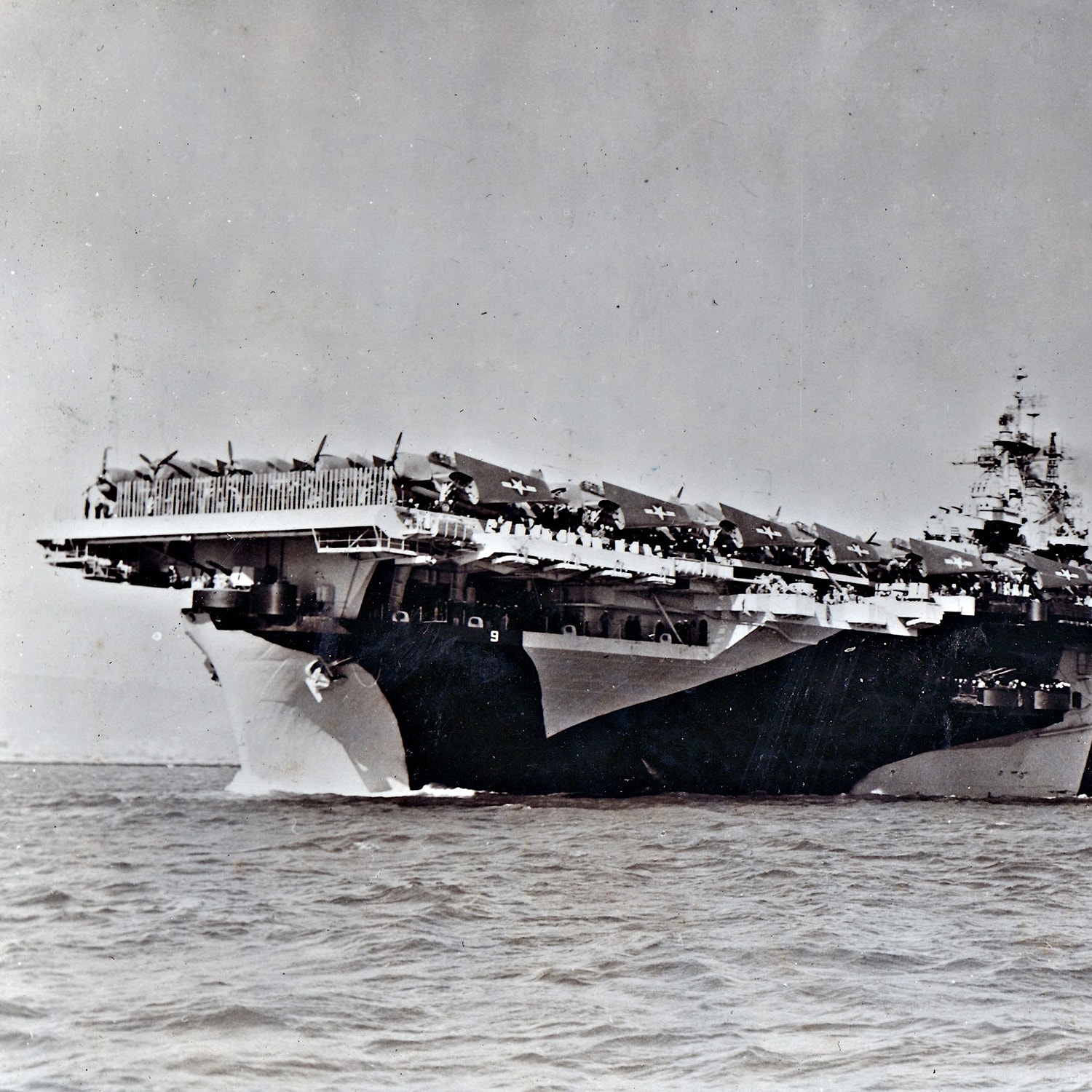
Image via World History Encyclopedia
The Pacific War’s Real Legacy: A New Rulebook for How Wars Are Fought
A new overview of the Pacific War argues that its biggest impact wasn’t only the battles themselves, but the durable innovations that reshaped modern warfare. Between 1941 and 1945, the vast distances of the Pacific forced militaries to rethink strategy, technology, logistics, and command. The theater accelerated shifts that would echo for decades—from the decline of the battleship as the centerpiece of naval power to the rise of air power and carrier-based operations.
There’s also a sobering pattern here that shows up repeatedly in American history: big wars don’t just end with treaties; they leave behind systems. The Pacific demanded new methods of coordinating forces across oceans, supplying remote bases, gathering intelligence, and projecting power quickly. That wartime improvisation hardened into postwar doctrine. When we talk about today’s global military footprint, or the way technology and logistics shape foreign policy, we’re still living in a world that was, in many ways, engineered in that conflict’s crucible.
Source: World History Encyclopedia
Read the full story at World History Encyclopedia →
That’s the capsule for today. If you want a weekend thought to carry with you: pay attention to gates, walls, and supply lines—they’re the quiet places where big history tends to hide.
— Time Capsule Editorial