One CEO just put $19 million of his own money into his company's stock — on the open market, reported to the SEC, fully verifiable. He's not alone. While most investors watched headlines, a handful of CEOs were quietly making seven-figure bets on their own companies. We dug through SEC Form 4 filings and verified the largest CEO stock purchases of 2026 — real names, real dollar amounts, real dates, every one linked to the actual filing so you can check it yourself.
The free report includes six confirmed purchases, the CEO who bought his own stock five separate times this year, and the small-cap insider buying aggressively while his stock was getting crushed. No rumors. No vague teasers. Just the paper trail insiders are legally required to leave behind — and what it could mean for your next trade.
Get the Free Report Now →Clicking the link above subscribes you to future messages from Equiscreen, LLC and provides instant access to two additional bonus subscriptions from our marketing partners. Unsubscribe anytime. View Privacy Policy.

Friday, July 31, 2026. This week’s capsule travels from a tiny Lake District churchyard to the glittering pressure-cooker of the Victorian court, then out to the open Pacific where war was fought without fleets ever seeing each other.

Image via Atlas Obscura
A Lake District Church That Still Feels Like a Medieval Waypoint
Tucked into England’s Lake District National Park, Saint Olaf’s Church of England sits near Wasdale Head, in the long shadow of Scafell Pike. It’s the kind of place that looks small on purpose: a humble parish church in a landscape that makes human architecture feel like a footnote. Visitors come for the hiking, the crags, the water, and then they stumble into a reminder that people have been threading their lives through this valley for centuries.
What makes Saint Olaf’s feel like a time capsule isn’t just the setting, it’s the role a church like this has historically played. For generations, remote parish churches doubled as community bulletin boards, shelters in bad weather, record-keepers, and landmarks before modern maps were common in everyday life. In regions shaped by rough terrain, a church wasn’t merely spiritual infrastructure; it was social infrastructure, anchoring births, marriages, burials, and the slow story of who belonged where.
Source: Atlas Obscura
Read the full story at Atlas Obscura →
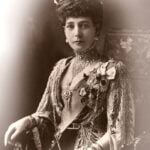
Image via All That's Interesting
Alexandra of Denmark: How a “Safe” Royal Match Became a Public Star
When Queen Victoria and Prince Albert looked for a bride for their eldest son, they settled on Alexandra of Denmark less out of fairy-tale romance and more out of dynastic practicality. By the standards of Europe’s royal matchmaking market, Alexandra was not the most powerful political choice. But she was acceptable, available, and, crucially, unlikely to cause major diplomatic headaches in an era when one marriage could reshape alliances.
And yet Alexandra didn’t stay a footnote. She became Princess of Wales and later Queen, earning public affection and carving out influence in a court world that expected women to be decorative, dutiful, and quiet. Her story is a reminder that “minor” figures can become major symbols when timing, personality, and public appetite align. Victorian Britain was hungry for a royal narrative that felt human and glamorous, and Alexandra’s popularity showed that the monarchy’s power increasingly depended on image, not just bloodlines.
Source: All That’s Interesting
Read the full story at All That's Interesting →
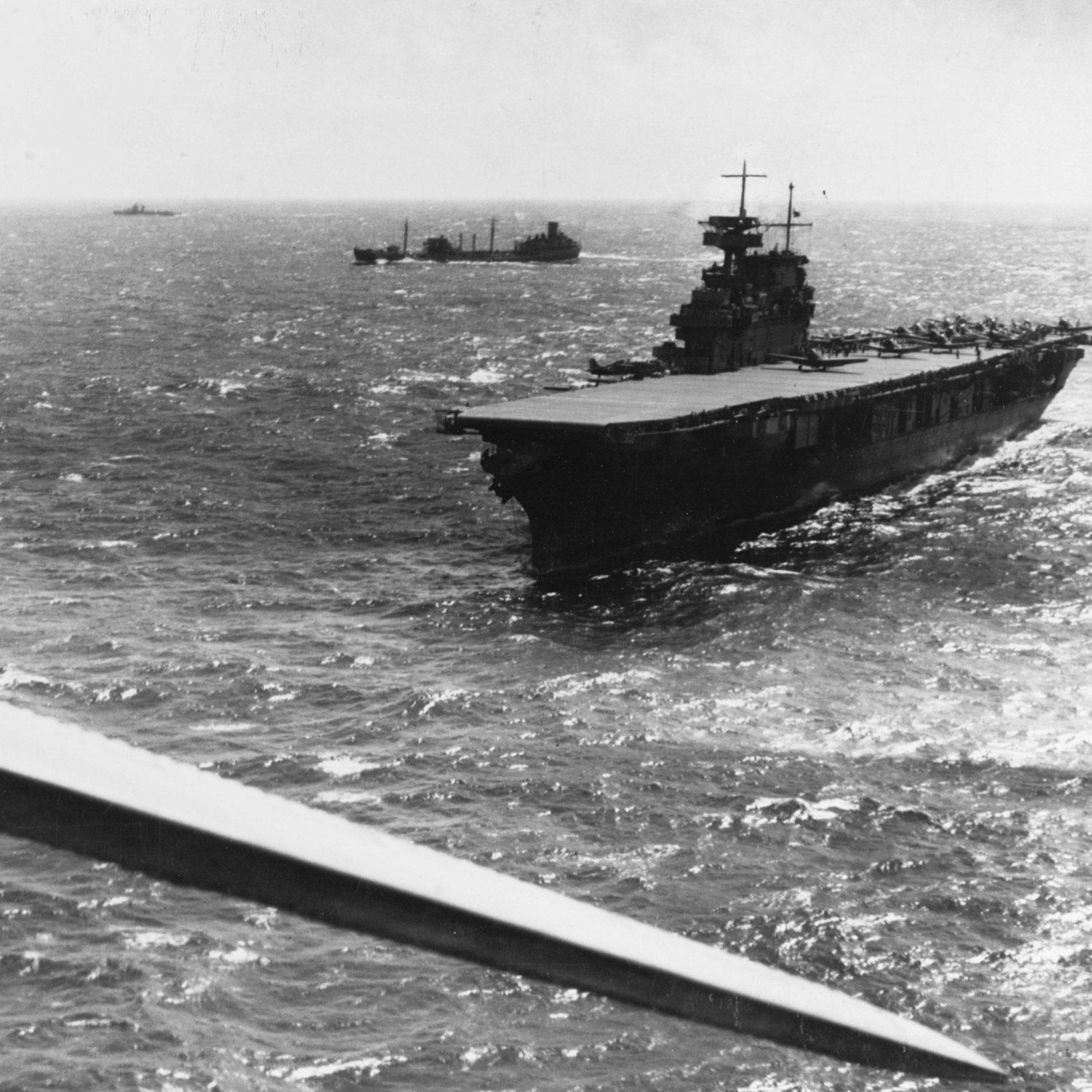
Image via World History Encyclopedia
Coral Sea: The First Carrier Battle, and the Moment War Went Over the Horizon
In early May 1942, the Battle of the Coral Sea became the first naval battle in history fought between aircraft carriers, running from May 4 to May 8. That headline alone captures the pivot: ships no longer had to see each other to destroy each other. The center of gravity shifted from big guns and close-range clashes to reconnaissance, flight decks, and the terrifying math of who could launch planes first and find the enemy first.
The battle unfolded as Japan pushed to expand control in the Pacific, aiming to isolate Australia and tighten its perimeter. The United States and its allies countered, and the result was a fight that was strategically significant even when the immediate damage looked mixed on paper. Coral Sea helped blunt Japanese momentum and set the stage for what came next, proving that stopping an advance doesn’t always look like a clean victory in the moment.
Source: World History Encyclopedia
Read the full story at World History Encyclopedia →
That’s the capsule for today. If you find yourself in a quiet place this weekend, a trailhead, a museum corner, even a family story you’ve heard a hundred times, listen for the older layers underneath. History is rarely far away; we just have to learn how to notice it.
— Time Capsule Editorial