With government debt soaring and inflation still biting, smart investors aren't waiting for volatility to hit — they're preparing now. The Gold Wealth Blueprint breaks down exactly how gold has historically shielded portfolios during periods of fiscal strain and market uncertainty.
Inside, you'll discover why gold moves differently than paper assets, how to use it as a practical hedge, and how to size your exposure without overcommitting. It's concise, actionable, and free — but don't sit on it.
Get the Free Gold Wealth BlueprintBy following the link above, you're choosing to opt in to receive insightful updates from Investor News + 2 free bonus subscriptions. Your privacy is important to us. You can unsubscribe anytime. See our privacy policy for details.

Three windows into the past: a plague that punished the young and poor, medieval soldiers who don’t fit our neat categories, and a wartime election that forced Americans to vote on the nation’s future while the outcome was still uncertain.

Image via History Extra
The Plague Wasn’t Fair: In 17th-Century Switzerland, Young Laborers Paid the Highest Price
We talk about big catastrophes as if they flatten society, hitting everyone the same. But new research on a 17th-century Swiss plague outbreak argues the opposite: the deadliest risk wasn’t evenly shared, and the people most exposed were young laborers who couldn’t afford to stop working. If staying home is what keeps you safe, then safety becomes a luxury item — and the poorest workers become the ones forced to test their luck against disease.
What stands out is how familiar the mechanism feels, even across centuries. Households with resources could reduce contacts, limit travel, and wait out the worst weeks. Young wage earners and day laborers had fewer choices: food and rent demanded motion, not caution. The research pushes back against the popular image of plague as a purely indiscriminate reaper and instead paints it as a crisis that followed the fault lines of class, age, and economic necessity.
This is one of history’s quiet lessons: the danger in an epidemic is not only the pathogen, but the social structure that decides who gets to avoid it. When we look back at pandemics, it’s tempting to focus on medicine and mortality alone. But the deeper story is often about mobility, work, and who has the power to opt out of risk.
Source: History Extra
Read the full story at History Extra →
Not Every Medieval Fighter Was Somebody’s Vassal: Rethinking Germany’s Pre-Crusade Soldiers
If you learned medieval history through a simple ladder — king, nobles, vassals, peasants — then soldiers often get filed into one box: vassals who owed military service in exchange for land. Historian David Bachrach is pushing back on that tidy picture for pre-Crusade Germany, arguing that the milites were not automatically vassals. Instead, they were a diverse category of professional fighters whose roles and relationships don’t fit neatly into the classic feudal template.
That matters because the word vassal carries a whole set of assumptions: personal dependency, a specific legal bond, and a fairly uniform social identity. Bachrach’s point is that the people doing the fighting could be connected to elites in multiple ways — employment, household service, local obligations, or other arrangements that look more like a flexible labor market than a single feudal contract. In other words, medieval military organization could be pragmatic, regional, and more varied than the textbooks imply.
The bigger takeaway is a Time Capsule favorite: when historians re-check the labels, the past gets less cartoonish. Categories that feel solid in a survey course often blur up close. And once you see that, it becomes easier to spot how modern narratives — about loyalty, service, and who counts as a “professional” — can be shaped by the stories we inherit rather than the evidence we revisit.
Source: Medievalists.net
Read the full story at Medievalists.net →
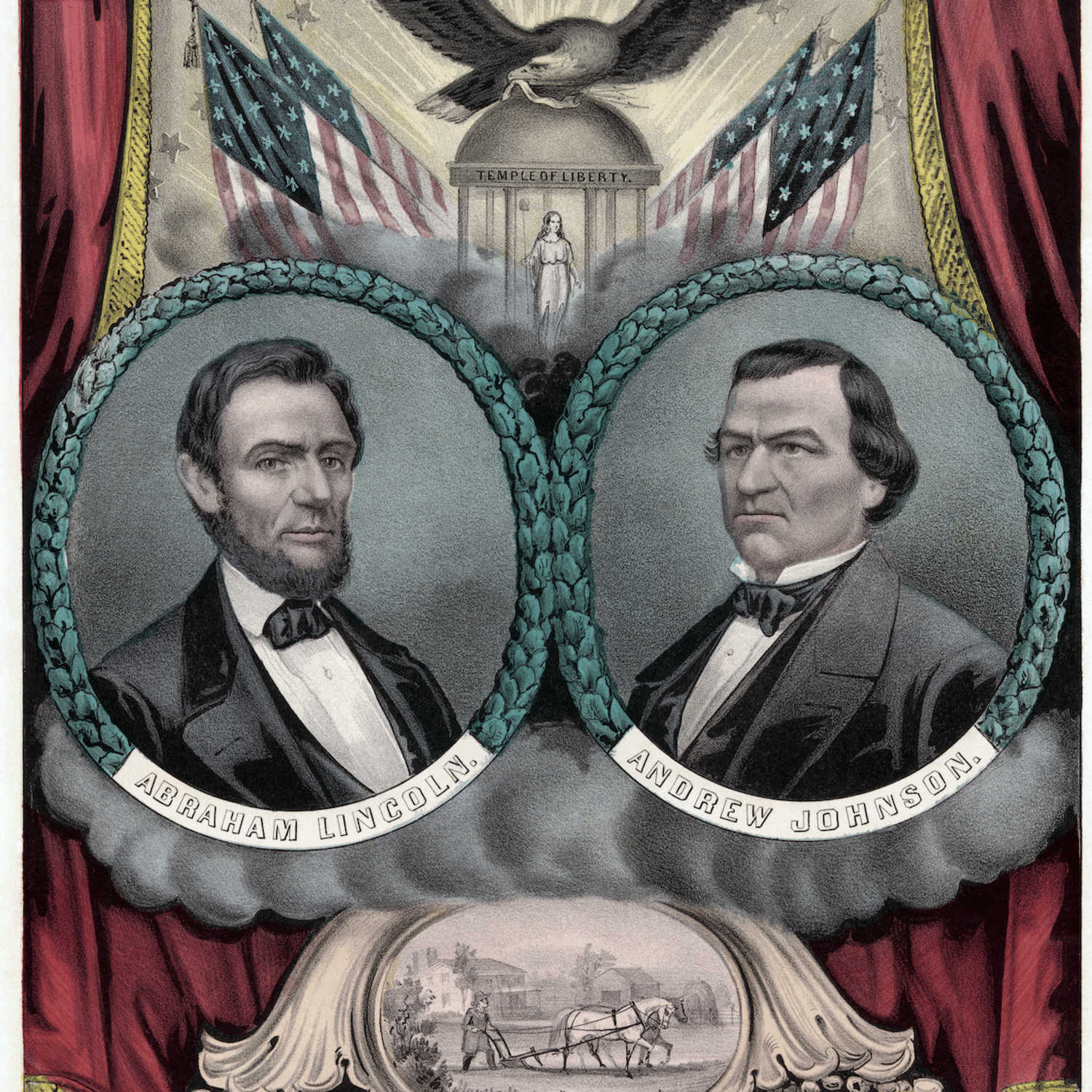
Image via World History Encyclopedia
Voting While the War Was Still On: The 1864 Election That Forced a Decision Mid-Civil War
The United States has held elections in tense times before, but it’s hard to top 1864: a presidential contest conducted while the Civil War was still raging and the nation’s future was unresolved. The election pitted Abraham Lincoln against George B. McClellan, and it functioned as far more than a choice between candidates. It was a referendum on whether the Union would press on toward victory, what peace might mean, and how the country would define freedom in the war’s wake.
World History Encyclopedia frames the election as one of the 19th century’s most consequential precisely because it forced democratic decision-making under extreme uncertainty. Military developments shaped politics in real time, and politics shaped military aims. Lincoln and his allies navigated war weariness, criticism over casualties, and deep disputes about emancipation and federal power. McClellan’s candidacy drew strength from voters who wanted an end to the conflict, but the question was always: an end on what terms?
Looking back, 1864 is a reminder that elections don’t just reflect history — sometimes they decide which history becomes possible. Americans were voting not after the crisis, but inside it, with incomplete information and raw fear. The result didn’t instantly end the war, but it helped lock in the political direction of the Union effort and the meaning of victory. It’s an unsettling and strangely inspiring precedent: even when the republic is under strain, the act of voting can be the mechanism that determines what the nation is willing to become.
Source: World History Encyclopedia
Read the full story at World History Encyclopedia →
That’s all for today’s Time Capsule. If you only keep one thread from this issue, make it this: crises don’t erase social differences — they reveal them, and sometimes they harden them into policy, memory, and myth. See you tomorrow.
— Time Capsule Editorial