History shows a clear pattern: the investors who recognized the exact inflection point in the dot-com boom pocketed 400–800% gains in 18 months. Those who spotted the same moment in cloud computing saw 300–600% returns. Based on 50 years of market data, that same moment is happening right now — and the acceleration phase has already begun.
This free 7-page report reveals where we are in the current megatrend cycle, why the next 18 months are critical, and how to position yourself before the window closes. Don't be the investor who enters too late.
Get the Free ReportBy clicking 'Get the Free Report' you are automatically subscribing to Darwin Investor Network and will receive a free subscription to the Chaikin PowerFeed newsletter. Unsubscribing is easy. Privacy Policy

Three reminders from the past: survival can be stranger than legend, technology can outrun strategy, and the biggest war in history looks different depending on where you stand.
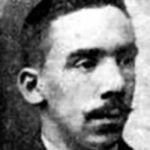
Image via All That’s Interesting
The Titanic’s Chief Baker Who Outlasted The Ice
When people retell the Titanic, they often focus on the glamorous decks and the famous names. Charles Joughin lived the part of the story that rarely makes it into the big scenes: the work, the chaos, and the quiet decisions that saved lives. Joughin was the ship’s chief baker, and as the night turned disastrous he helped get women and children into lifeboats, even refusing a seat for himself when it could go to someone else.
Then comes the part that sounds like folklore but is documented in survivor accounts: Joughin ended up in the Atlantic after the ship went down and stayed alive far longer than anyone expects a person to in that water. He reportedly kept moving, kept his head, and eventually made it to help. He also credited alcohol for helping him endure the cold — a claim that invites skepticism and a little biology debate, since booze can make hypothermia more likely by widening blood vessels. But history is full of survival stories where the “rules” don’t map neatly onto what a single body did on a single night. The more dependable lesson is older than the Titanic itself: in a mass crisis, the people who know the routines and keep acting with purpose — cooks, stewards, engineers — can become the difference between panic and a path out.
Source: All That’s Interesting
Read the full story at All That’s Interesting →
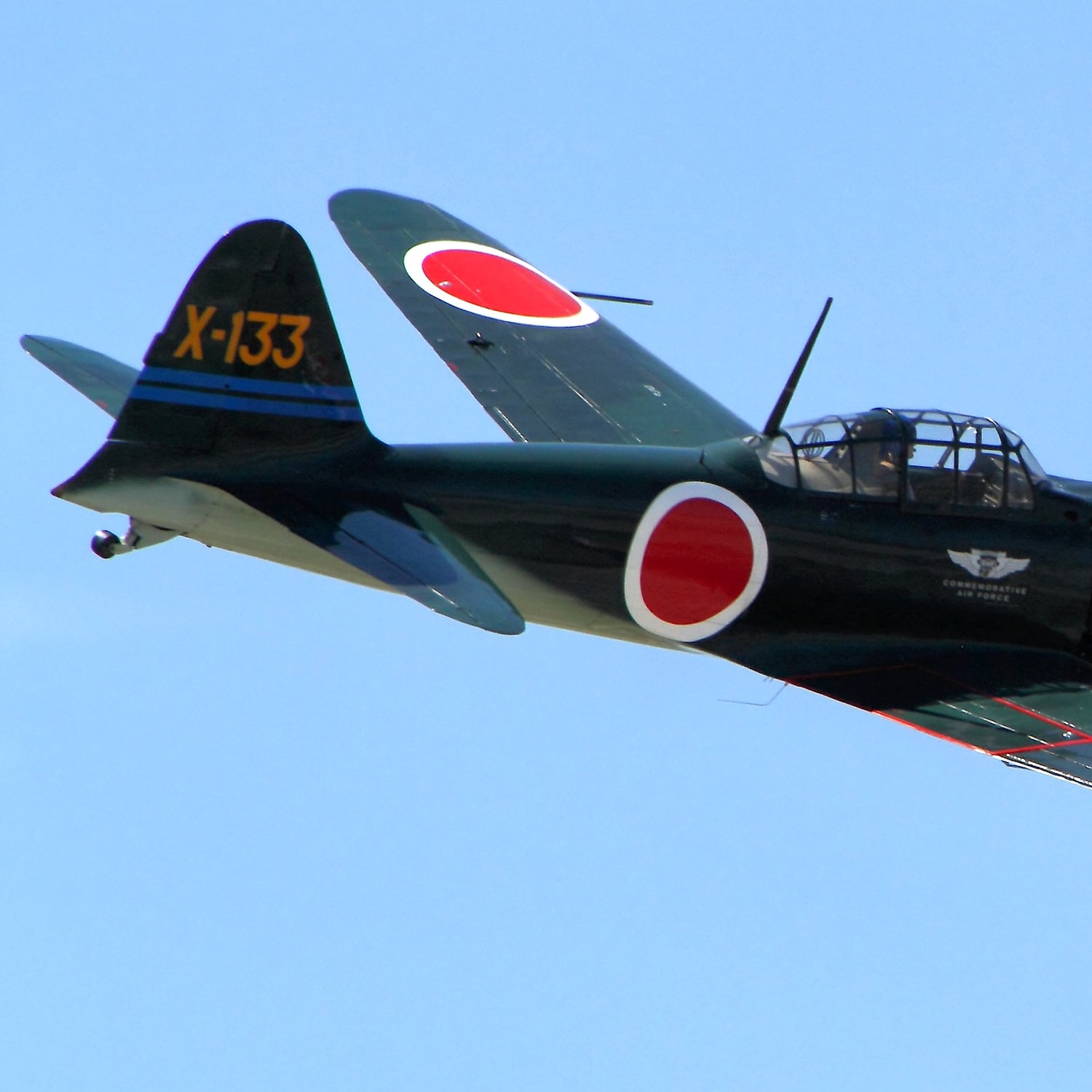
Image via World History Encyclopedia
The Zero: When A Miracle Machine Becomes A Trap
Early in World War II, the Mitsubishi A6M Zero looked like the future arriving all at once. It was light, fast, long-ranged, and frighteningly agile — an aircraft designed around a clear tactical idea: win by outmaneuvering the enemy and reaching farther than they expect. In the opening years of the Pacific War, the Zero helped Japan seize momentum, not just because of pilot skill, but because the machine matched the moment.
But the same choices that made it brilliant also made it vulnerable once the war changed. To get that performance, the Zero sacrificed protection: less armor, less self-sealing fuel capacity, a design that could punish pilots when opponents learned to hit hard and disengage. American tactics adapted, newer aircraft arrived, and industrial scale began to matter as much as engineering elegance. By the end of the war, the Zero’s story darkened into a symbol of strategic desperation, with some aircraft pressed into kamikaze missions. It’s a pattern as old as modern warfare: technology can deliver a breathtaking advantage, but if a nation can’t update it, protect the people using it, and replace losses at scale, yesterday’s masterpiece becomes tomorrow’s liability.
Source: World History Encyclopedia
Read the full story at World History Encyclopedia →

Image via History Extra
WWII In Asia Wasn’t A Side Theater — It Was The Story
Ask many Americans to sketch World War II from memory and you’ll get a familiar map: Pearl Harbor, D-Day, the Holocaust, the atomic bomb. All true, all essential, and still incomplete. Historian Hans van de Ven urges a reset in perspective by centering Asia — not as a distant stage for a European war, but as a core arena where empires collided, nations fractured, and modern states were remade.
From an Asian vantage point, WWII becomes a conflict braided with older struggles: the long crisis of China, Japan’s imperial expansion, and the unraveling of European colonial rule. The war accelerated political change across the region, reshaping borders, military institutions, economies, and ideas about legitimacy. It also helps explain why the postwar world in Asia did not simply “return to normal” the way some Western narratives imply. Instead, war pressure and occupation experience fed revolutions, civil wars, and independence movements that would define the rest of the twentieth century.
This is one of history’s most useful reminders for reading today’s news: whose timeline are we using? When a story is told from one capital or one classroom, whole continents can become footnotes. But policy decisions, alliances, and regional tensions make a lot more sense when you remember that WWII’s legacy in Asia wasn’t just about battles won or lost — it was about the collapse of old orders and the hard construction of new ones.
Source: History Extra
Read the full story at History Extra →
That’s the capsule for today. If you want, tell me what headline in today’s news you’re trying to understand — and I’ll pull a historical thread that helps it click.
— Time Capsule Editorial