Oil markets are shifting as Venezuela's disruption removes critical barrels while spare capacity shrinks. Supply pressure is building before headlines catch up — and smart traders are positioning now.
Our exclusive briefing reveals three energy stocks emerging from this supply shock, plus the key signals to monitor as this setup evolves. This is about preparation, not prediction.
Get the Free Oil Trading ReportBy following the links above, you're opting in to receive valuable updates from Wealthiest Investor News plus 2 bonus subscriptions. Your privacy is important to us. You can unsubscribe anytime. See our privacy policy for details.

Tuesday, September 8, 2026. Three quick trips into the past: a Civil War fight that proved the conflict wouldn’t stay “back East,” a reminder that even ancient technology could erase evidence, and a hidden piece of infrastructure that helped build the modern world’s shipping rhythms.
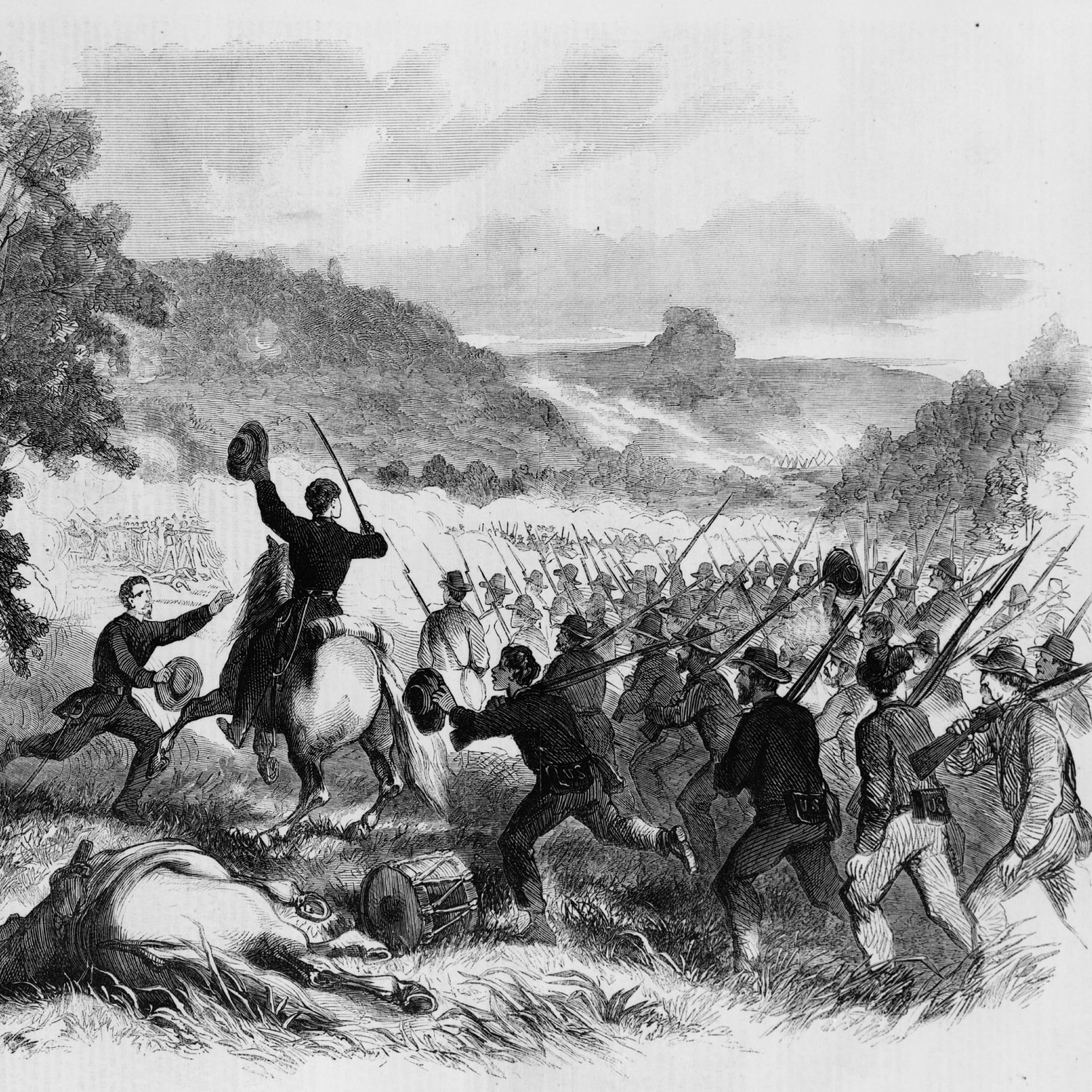
Image via World History Encyclopedia
Wilson’s Creek: When the Civil War’s Western Front Announced Itself
If you learned the Civil War as a story that began and stayed in Virginia, the Battle of Wilson’s Creek is the rude awakening you probably never got in school. Fought on August 10, 1861 (also called the Battle of Oak Hills), it was the first major Civil War battle west of the Mississippi and the second major clash of the entire war. In the summer after Bull Run, it delivered a similar message in a different theater: this conflict was going to be bigger, bloodier, and less predictable than many Americans wanted to believe.
Wilson’s Creek played out in southwest Missouri, a border region where loyalties were tangled and the stakes were immediate. Control of Missouri mattered because rivers, rail lines, and migration routes ran through it; holding the state wasn’t just symbolic, it was logistical. The battle also carried a shock that echoed through newspapers and households: Union Brigadier General Nathaniel Lyon was killed in action, one of the first Union generals to die in the war. The fight didn’t end the struggle for Missouri, but it hardened it, pushing the war’s center of gravity outward and reminding everyone that “the West” wasn’t a sideshow. It was a main stage with its own politics, its own geography, and its own brutal learning curve.
Source: World History Encyclopedia
Read the full story at World History Encyclopedia →

Image via Discover Magazine
Meteorite Iron, Human Hands: How Ancient Forging Could Hide a Cosmic Origin
There’s something wonderfully humbling about the idea that some of humanity’s earliest “high-tech” metalwork may have started with iron from the sky. Long before people could reliably smelt iron ore, meteorites offered workable metal that could be cut, shaped, and treasured. The catch, as new reporting highlights, is that the very process that made meteorite iron useful may also have scrubbed away one of the best fingerprints that proves it came from space.
Meteorite iron often carries distinctive chemical and structural signatures that scientists look for when identifying ancient objects. But blacksmithing is not a gentle act. Heating, hammering, folding, and repeated working can alter microstructures and redistribute elements in ways that blur those telltale markers. That means some artifacts we’ve assumed were “ordinary” iron might actually be cosmic in origin, while other objects thought to be meteorite-derived might not preserve the classic signals we expect. It’s a reminder that evidence is not just about what the past left behind, but also about what people did with it. Technology doesn’t simply preserve history; sometimes it edits it.
Source: Discover Magazine
Read the full story at Discover Magazine →
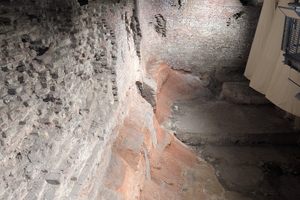
Image via Atlas Obscura
Under Liverpool ONE, a Dock That Helped Invent the Modern Port City
If you’ve ever stood in a modern shopping district and felt like you were on top of something older, heavier, and half-forgotten, Liverpool has a literal version of that sensation. Beneath the Liverpool ONE shopping centre sits the remains of Liverpool’s first enclosed dock, an engineered space that helped transform the city from a modest port into a shipping powerhouse. It’s the kind of infrastructure story that rarely gets the spotlight, even though it quietly shaped how goods, people, and empires moved.
Enclosed docks were a leap forward because they tamed the uncertainties of tides and weather, making loading and unloading more reliable and less risky. Reliability is what turns a busy port into a system, and a system into global scale. Liverpool’s dock innovations helped standardize the rhythms of trade: schedules you could plan around, storage you could trust, and a maritime workforce organized around steady flows rather than sporadic opportunity. Seeing the dock today, tucked beneath a temple of modern retail, is a small history lesson in what cities choose to build on top of. The shopping centre is the present, but the dock is a reminder that the city’s global identity was forged in brick, water control, and the daily math of logistics.
Source: Atlas Obscura
Read the full story at Atlas Obscura →
That’s today’s capsule. If you find yourself walking through a “new” place this week, try asking what’s underneath it—politically, materially, and historically. The answers are usually closer than we think.
— Time Capsule Editorial