A stock trading at $3.55 is paying a near-10% yield — and raising it. The company behind it owns a library of factual programming, licenses it to streaming platforms, and just posted record quarterly net income of $8.9 million with 73% gross margins. Licensing revenue is up 48% year over year. At a $209 million market cap, it flies completely under the radar of most dividend investors.
It's one of five sub-$5 stocks in a free report from Trading Tips — each picked from real filings, across five different sectors. The list includes a uranium producer mining at ~$40/lb and selling near $67, plus two names that are already profitable today. Five stocks, every number sourced. No fluff.
Get the Free ReportBy clicking this link you agree to receive emails from Trading Tips and our affiliates. You can opt out at any time. — Privacy Policy

Three reminders that the past hides in our everyday phrases, our most famous artifacts, and even in the quiet data stamped onto old coins.
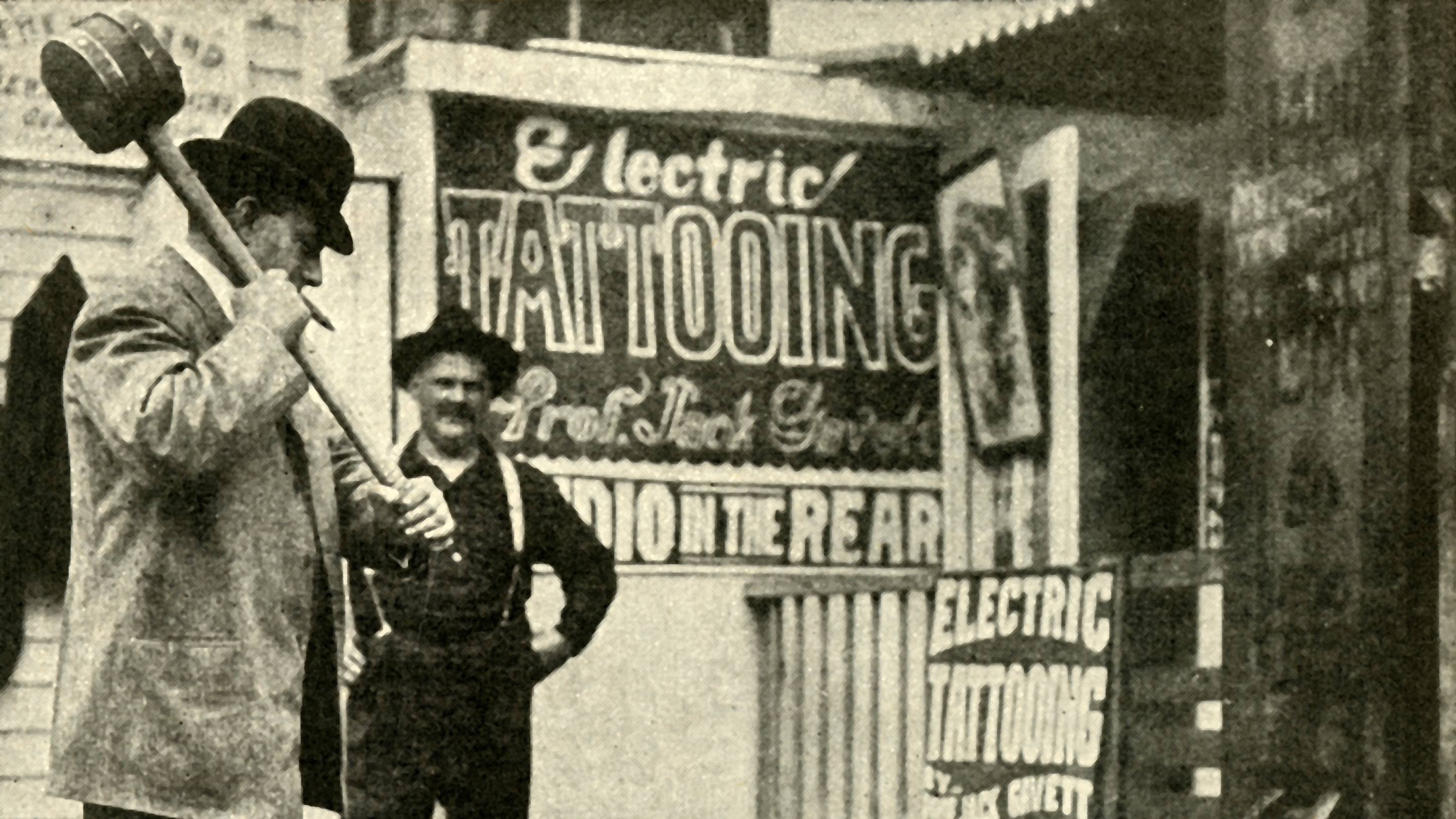
Image via Mental Floss
The Real Origin of “Close, But No Cigar” Is Stranger Than the Carnival Story
Most of us grew up with the same tidy explanation: old-time fairgrounds supposedly handed out cigars as prizes, and if you almost won, you were “close, but no cigar.” It’s a great story because it feels right—a little smoky, a little nostalgic, and perfectly calibrated for American slang. But the paper trail, as Mental Floss lays out, doesn’t neatly line up with that popular origin myth.
Instead, the phrase appears to have a more complicated path into English, one that points us toward early 20th-century print culture and entertainment rather than a single carnival booth. That matters because language doesn’t usually come from one moment; it comes from repetition, from writers and performers borrowing each other’s lines, and from the public deciding a phrase is useful enough to keep. The expression stuck because it captures a very modern feeling: living in a world of measurable outcomes where being almost right is still wrong, and where consolation prizes don’t change the result.
🏺 What It Means Today: I love the fairground version, but I trust receipts more than nostalgia. What this story really shows is how Americans build folk history around phrases we like—and then defend it because it feels true. The next time you say it, you’re not just grading an effort; you’re echoing a whole era when mass media started standardizing the way the country talked.

Image via HistoryExtra
The Bayeux Tapestry: Medieval Newsreel, Propaganda, and Family Album All at Once
The Bayeux Tapestry is one of those artifacts that feels so famous we forget how weird it is: a long embroidered narrative that turns a violent political takeover into a story you can literally walk alongside. As HistoryExtra explains, it chronicles the Norman Conquest of 1066, with key scenes leading up to the Battle of Hastings and the new order that followed. It’s not just art; it’s a carefully edited version of events, stitched with the kind of confidence winners tend to have.
What makes it timeless is how modern its storytelling feels. It uses clear visuals, recurring characters, and memorable set pieces to guide you toward a conclusion that looks inevitable. And like any great public narrative, it leaves room for questions: who commissioned it, who it was for, and what it wanted viewers to believe about legitimacy, betrayal, and divine approval. In a sense, it’s a reminder that information wars didn’t begin with the internet—they just used different technology, and in the 11th century that technology happened to be thread.
🏺 What It Means Today: I see the Bayeux Tapestry as a warning label on every “official story” we’re offered today. It’s mesmerizing, detailed, and persuasive—and it still asks us to remember that the most polished narrative is often the one with the most to gain. The conquest wasn’t just fought on a battlefield; it was fought in the memory of the people who had to live under it.

Image via Discover Magazine
Four Million Roman Coins Reveal How Empires Build Economies—One Transaction at a Time
Rome didn’t just conquer territory; it rewired it. Discover Magazine reports on research using nearly 4 million coins to map how the Roman Republic’s economy expanded and integrated conquered regions. Coins aren’t just money—they’re messages in metal, moving hand to hand, carrying the state’s symbols, and quietly teaching people what power looks like and who gets to define value.
What’s fascinating here is the method: digital archaeology that treats coin finds as data points, allowing researchers to trace economic gravity the way we might track shipping containers or credit card swipes today. Patterns in where coins appear, how widely they circulate, and how that circulation changes over time can show the difference between a place being merely occupied and a place being absorbed into an imperial system. It’s a map of influence you can hold in your palm—and a reminder that infrastructure and currency often do as much imperial work as legions do.
🏺 What It Means Today: This is the kind of history that makes the present snap into focus: power spreads fastest when it becomes ordinary. When an empire’s money becomes your money, the conquest starts to feel like common sense. And that’s the lesson I keep coming back to—the most durable control isn’t always dramatic; it’s the kind that shows up in daily life and starts calling itself normal.
That’s the capsule for today. If you catch yourself using an old phrase, trusting a tidy story, or assuming economies grow naturally, consider the thread, the ink, and the coin behind it—history is usually closer than it looks.
— Time Capsule Editorial