Oil markets are shifting as Venezuela's disruption removes critical barrels while spare capacity shrinks. Supply pressure is building before headlines catch up — and smart traders are positioning now.
Our exclusive briefing reveals three energy stocks emerging from this supply shock, plus the key signals to monitor as this setup evolves. This is about preparation, not prediction.
Get the Free Oil Trading ReportBy following the links above, you're opting in to receive valuable updates from Wealthiest Investor News plus 2 bonus subscriptions. Your privacy is important to us. You can unsubscribe anytime. See our privacy policy for details.

Three reminders that history isn’t just what happened — it’s what got edited out, what went unexplained, and what quietly kept shaping lives long after the headlines moved on.
/https://tf-cmsv2-smithsonianmag-media.s3.amazonaws.com/filer_public/25/1c/251cf12c-fa2a-4087-9bf0-5cfafd2168ff/pieter_de_hooch_-_a_man_smoking_and_a_woman_drinking_in_a_courtyard_-1658-1660.jpg)
Image via Smithsonian Magazine
A 17th-century party scene gets its missing drinker back
A small act of vandalism can change the story a painting tells for centuries. In a well-known scene by Dutch Golden Age painter Pieter de Hooch, a lively indoor drinking game once included a soldier among the players — until someone, long ago, deliberately smudged him out. Now, after careful conservation, a museum has restored the figure, returning the composition to something closer to what de Hooch originally intended.
De Hooch’s domestic interiors can look calm at first glance — tiled floors, open doorways, sunlight falling just so — but he often tucked moral commentary into everyday life. Drinking games, flirtation, and rowdy company were a familiar shorthand in 17th-century Dutch art: sometimes comedic, sometimes cautionary, often both. Removing a soldier wasn’t just cosmetic; it softened the social tension the painter may have wanted viewers to notice. Restoring him doesn’t simply “fix” the image — it restores the painting’s argument about temptation, status, and the thin line between convivial fun and disorder.
It’s also a neat little lesson in how cultures rewrite themselves. People have always edited uncomfortable details out of public view: a painted-over figure, a torn-out page, a renamed street. Conservation work, at its best, doesn’t just preserve beauty. It helps us catch the fingerprints of earlier viewers — what they feared, what they wanted to deny, and what they hoped the next generation wouldn’t see.
Source: Smithsonian Magazine
Read the full story at Smithsonian Magazine →

Image via HistoryExtra
The Viking Age loved a dramatic ending — and Olaf Tryggvason’s is still missing its last chapter
King Olaf Tryggvason, one of the Viking Age’s most famous warrior-kings, goes out in the sources like a legend: a doomed sea battle around AD 1000, a final stand, and then — depending on who’s telling it — a clean drowning, a miraculous escape, or something conveniently unknowable. The battle of Svolder became a set piece in later storytelling, a moment where rival kings and shifting loyalties collide, and where the hero’s disappearance does a lot of narrative work.
Here’s the historian’s problem: the most vivid accounts come from sagas and chronicles written after the fact, shaped by politics, religion, and the appetite for a good tale. Olaf’s reign is bound up with the Christianization of Norway, so his death can read like moral theater: a king who pushed a new faith meets a dramatic fate, and the story gets retold with lessons baked in. But when you strip away the rhetorical flourishes, the evidence is thin, and certainty slips through your fingers.
That’s not just a Viking Age quirk — it’s a pattern in how societies remember leaders whose lives were controversial or whose ends were politically useful. A clean, definitive death can settle arguments; an ambiguous one can keep them alive. Olaf’s vanishing act reminds us that “unsolved mysteries” aren’t always about hidden clues. Sometimes they’re about sources that were never trying to be neutral in the first place.
Source: HistoryExtra
Read the full story at HistoryExtra →
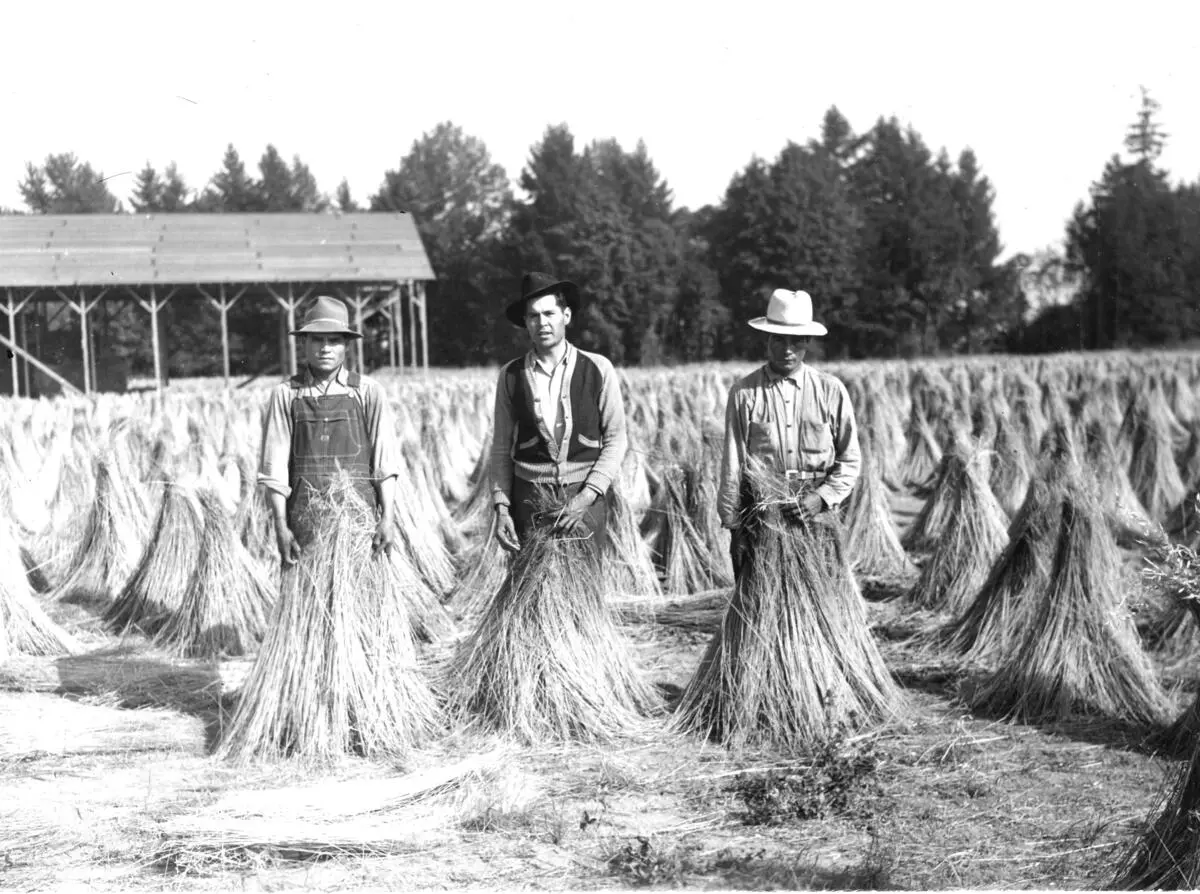
Image via War History Online
The wartime labor deal that outlived World War II — and helped set the stage for farmworker organizing
In 1942, the United States struck an emergency labor agreement with Mexico to address wartime shortages: the Bracero Program. It was framed as a practical fix for a moment of crisis — a controlled pipeline of temporary agricultural laborers to keep food production steady while American workers went to war. But “temporary” programs have a way of becoming structural, and this one reshaped farm labor for decades, long after the war ended.
The program’s legacy is complicated and deeply consequential. It created a system where growers could access a rotating workforce with limited bargaining power, while workers faced exploitation alongside promises of fair treatment that were unevenly enforced. Over time, the arrangement influenced wages, working conditions, and the politics of organizing in the fields. The story isn’t only about what the program did, but about what it made harder: when labor is treated as interchangeable and short-term, building durable worker power becomes an uphill fight.
Looking back from the era of César Chávez and the farmworker movement, the throughline becomes clearer. Organizing didn’t emerge in a vacuum; it formed in response to a labor landscape engineered by policy choices made under the pressure of war. That’s the Time Capsule lesson: emergencies are when governments build “just for now” systems — and those systems often become the quiet architecture of everyday life, shaping who has leverage and who doesn’t for generations.
Source: War History Online
Read the full story at War History Online →
That’s the capsule for today. If you find yourself wondering what else in our present was once considered a temporary fix — or what details got quietly erased along the way — you’re asking exactly the right historical question.
— Time Capsule Editorial