Today’s Sponsor:
November is moving fast — and the biggest opportunities rarely make the front page. RushTheStreet is tracking small-cap movers, AI plays, gold & silver exploration, biotech catalysts, and key earnings announcements you can't afford to miss this month.
Don't just follow the headlines. Know what's happening across the entire market — before everyone else does. Sign up now and get RushTheStreet's latest insights delivered straight to your inbox.
Sign Up for RushTheStreet FreeBy clicking the link above, you agree to receive emails from rushthestreet.com. You can opt out at any time. — Privacy Policy

Three reminders from the past: governments love a good work miracle, history survives longer than we think, and religious settlements are rarely settled at all.
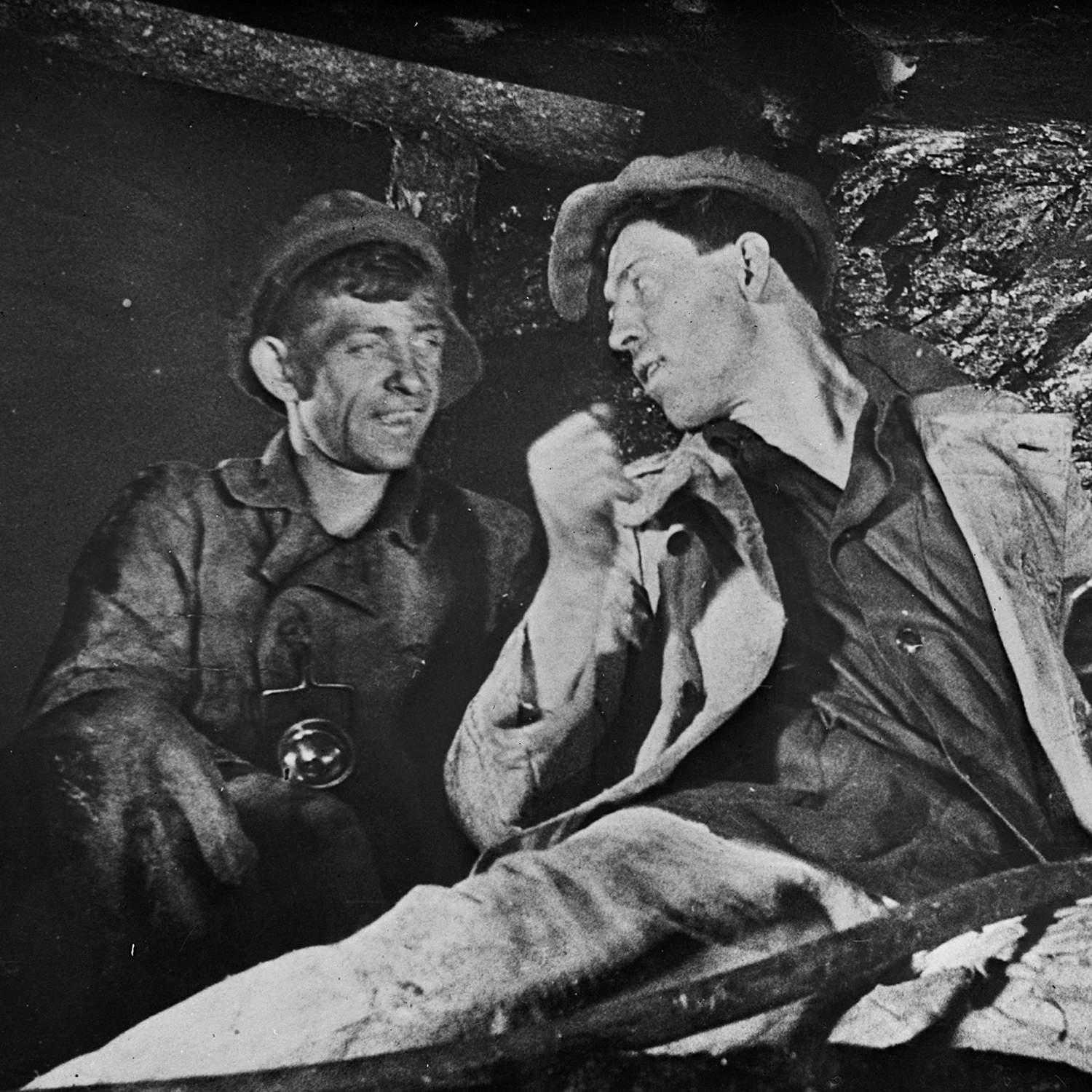
Image via World History Encyclopedia
Stakhanov and the State’s Favorite Story: One Worker, One Miracle, a Million Expectations
In August 1935, Soviet coal miner Alexei Stakhanov reportedly cut an astonishing amount of coal in a single shift, and a legend was born fast enough to keep pace with the Five-Year Plans. The Stakhanovite movement took his name and turned an individual production feat into a national campaign: posters, speeches, prizes, and public rituals that told workers they could smash quotas if they had the right attitude — and, importantly, the right loyalty. Whatever the precise numbers in that first shift, the political usefulness of the story was undeniable.
It’s hard to read about Stakhanovism without noticing how modern the playbook feels. States and companies still hunt for headline-making productivity wins, then try to make them contagious: the superstar employee, the miracle process, the motivational slogan that suggests limits are mostly psychological. In Stalin’s USSR, though, the stakes were sharper. Productivity wasn’t just an economic goal; it was a measure of ideological devotion, and it could be enforced with pressure from above and suspicion from peers. The movement promised honor and advancement, but it also raised norms for everyone else — a reminder that when a system rewards an exceptional performance, it may quietly rewrite what counts as “normal” labor.
Source: World History Encyclopedia
Read the full story at World History Encyclopedia →
Albert Woolson, the Last Civil War Veteran, and the Strange Loneliness of Outliving a Whole War
When Albert Woolson died in Duluth in 1956, he wasn’t just the last Union veteran of the Civil War — he was, in a very literal sense, the last living human link to a conflict that had once involved roughly two million Union soldiers, not to mention the Confederacy and the millions of civilians whose lives the war upended. Woolson had been a drummer boy, young enough that his service sat on the edge of memory and myth, but his lifespan stretched a single person’s testimony across nearly a century of American change.
That timeline does something to the way we think about history. The Civil War can feel impossibly distant in 2026, filed away in old photographs and battlefield plaques. Yet Woolson’s life overlapped with the automobile, the radio, two world wars, and the early Civil Rights Movement — and for part of that time, he carried a kind of living authority: someone who had been there. There’s a lesson in how quickly that living memory disappears. Once the last witness is gone, a nation becomes even more dependent on archives, schools, and storytelling choices to keep the past from flattening into abstraction.
Source: History Collection
Read the full story at History Collection →

Image via HistoryExtra
The Tudor Reformation’s Scorecard: Under Elizabeth, England’s Church Still Had No Final Draft
By the time Elizabeth I came to the throne, England’s Reformation had already swung like a pendulum: Henry VIII’s break with Rome, Edward VI’s push toward Protestant reforms, Mary I’s restoration of Catholicism, and then another turn under Elizabeth. If you picture the English church as a building project, this wasn’t a neat renovation — it was a site where crews kept being fired and rehired, blueprints rewritten, and yesterday’s materials condemned as heresy. The question wasn’t just what England believed, but who would be safe, who would be promoted, and who would be punished when the theological weather changed.
That’s why “winners and losers” is such a revealing way to think about the Tudor Reformation. These weren’t abstract doctrinal debates floating above everyday life; they rearranged property, patronage, and power. Monastic wealth was redistributed, careers rose or collapsed depending on religious alignment, and ordinary families navigated a world where the same prayer could be acceptable in one reign and dangerous in the next. Elizabeth’s settlement is often remembered as a tidy compromise, but the reality was messier: a political achievement built to stabilize the realm, still contested by people who wanted England to be more Catholic or more Protestant. In other words, it wasn’t the end of an argument — it was an attempt to keep an argument from tearing the country apart.
Source: HistoryExtra
Read the full story at HistoryExtra →
That’s the capsule for today. If any of these stories stuck with you, hold onto the question underneath it — who benefits when we tell a certain version of the past, and what gets asked of the rest of us when that story becomes the standard?
— Time Capsule Editorial