Today’s Sponsor:
You don't need to chase hundreds of tickers — you just need to spot the right signal. The team at Trading Ideas cuts through the noise and zeroes in on repeating patterns that show up before strong market moves.
One of those signals just fired on a company most investors aren't watching. The setup, the data, and the timing window are all inside their latest alert — and it won't be relevant for long.
See the Report & Company Name*We encourage readers to perform their own research and due diligence on any information we provide. By clicking the link you will automatically be subscribed to the Trading Ideas Newsletter.

When ancient engineers put modern logistics to shame, Nazi holdouts refused to surrender, and imperial ambitions collided on the veldt

Image via All That's Interesting
The 13,000-Pound Mystery: How Bronze Age Britons Moved Stonehenge's Altar Stone 450 Miles
Here's a logistical nightmare that would make any modern construction manager weep: somehow, around 2500 BCE, ancient Britons transported a 13,000-pound altar stone across 450 miles of prehistoric Britain to become the centerpiece of Stonehenge. A new study has finally traced this massive sandstone slab to its origins in northeast Scotland — which only deepens the mystery of how they pulled it off. We're talking about moving a stone the weight of two SUVs across rivers, forests, and hills long before the invention of the wheel in Britain, let alone cranes or diesel trucks.
The discovery reshapes our understanding of Bronze Age Britain as a far more interconnected place than previously imagined. The leading theory? They likely floated it down the coast on rafts or boats, island-hopping along Britain's western shores. It's a reminder that ancient peoples weren't primitive — they were sophisticated problem-solvers who understood engineering principles we're only now beginning to appreciate. The coordination alone — organizing the labor, planning the route, maintaining the effort over what must have been months or even years — suggests a level of social organization and shared purpose that rivals any modern megaproject.
What makes this particularly fascinating is what it tells us about value systems. This wasn't a practical decision. Stones closer to Salisbury Plain would have worked just fine. Someone decided this specific stone, from this specific place, mattered enough to justify an extraordinary journey. In our age of two-day shipping and instant gratification, there's something humbling about people who would spend months moving a rock because it meant something.
Read the full story at All That's Interesting →
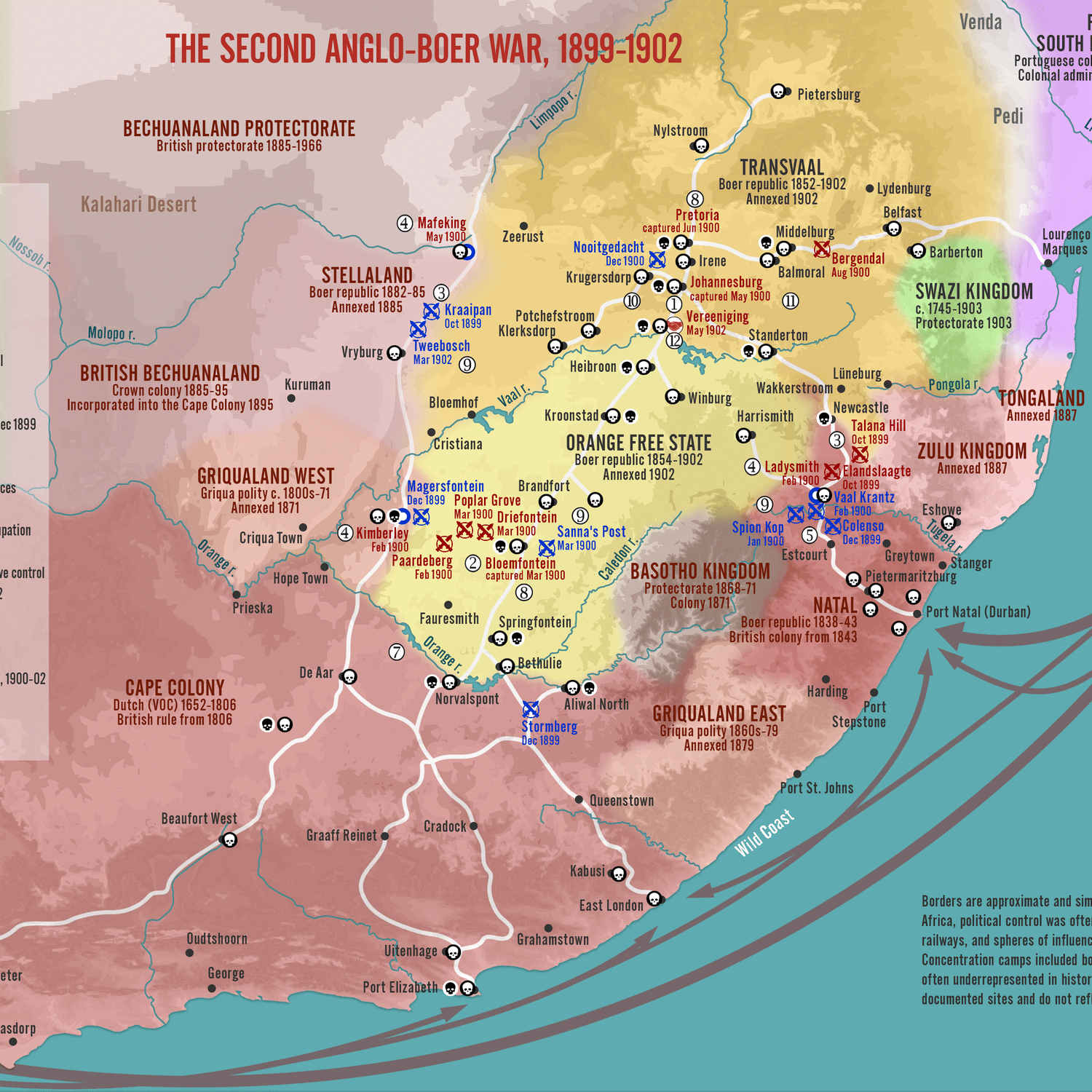
Image via World History Encyclopedia
When Gold Rush Met Empire: The Long Fuse That Lit the Boer War
The Boer War of 1899-1902 didn't start with a single spark — it was the inevitable explosion of tensions that had been building since Britain first arrived in southern Africa. At its heart was a collision between two groups of European settlers who both considered the land theirs: British imperialists hungry for expansion and control, and Boer settlers (descendants of Dutch colonists) who had trekked inland to escape British rule decades earlier. When massive gold deposits were discovered in the Boer-controlled Transvaal in 1886, what had been a simmering territorial dispute became an urgent imperial priority.
The uitlander question — what to do about the British and other foreign workers flooding into Boer territory for the gold rush — became the immediate pretext for war. The Boer government, understandably nervous about being demographically overwhelmed in their own republic, restricted voting rights for these newcomers. Britain, seeing an opportunity, championed the uitlanders' cause (with breathtaking hypocrisy, given Britain's own restrictive voting laws at home). But the real issue was always control: control of the gold, control of the region, and control of the strategic route to British territories further north.
The war that followed was brutal and transformative. Britain's use of concentration camps for Boer civilians — where 26,000 women and children died from disease and neglect — introduced a term and tactic that would haunt the 20th century. It's a reminder that the language of human rights and democracy has often been deployed to justify the exact opposite, and that resource extraction has driven more conflicts than any noble ideology ever has.
Read the full story at World History Encyclopedia →
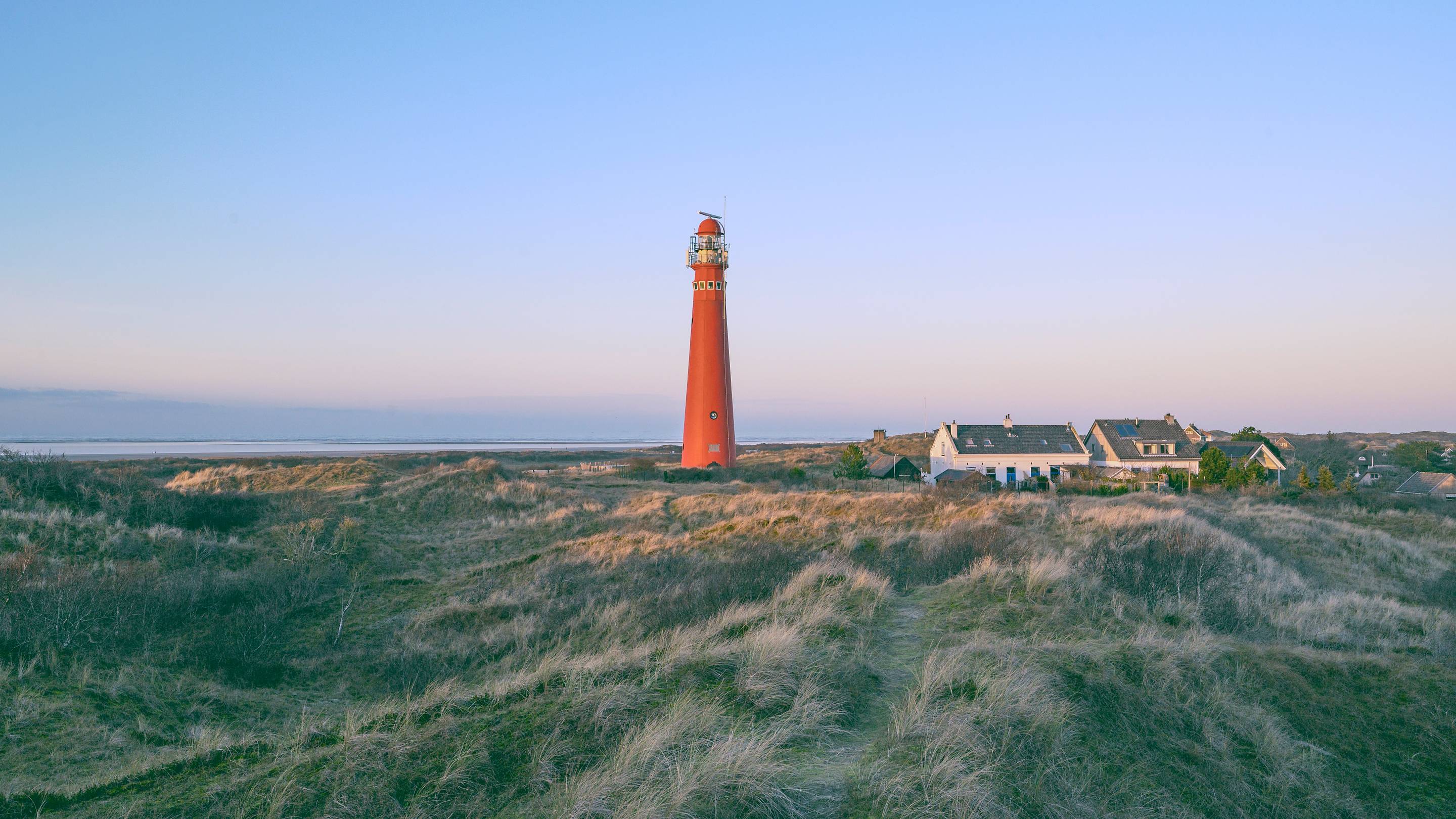
Image via Mental Floss
The War That Wouldn't End: How a Tiny Dutch Island Became WWII's Last European Battlefield
When the rest of Europe was celebrating V-E Day on May 8, 1945, a small contingent of Nazi soldiers on the Dutch island of Schiermonnikoog apparently didn't get the memo — or didn't care. This windswept barrier island in the Wadden Sea, home to barely a thousand civilians, became the site of the last German military holdout in Europe. While Berlin lay in ruins and Hitler was dead, these soldiers continued to man their coastal defenses, scanning the horizon for enemies that were no longer coming.
The standoff lasted until June 11, 1945 — more than a month after Germany's official surrender. Canadian forces finally convinced the German garrison to lay down their arms, completing the liberation of the Netherlands and closing the book on the European theater of World War II. The delay wasn't about strategic importance; Schiermonnikoog had none. It was about the fog of war, communication breakdowns, and perhaps the surreal difficulty of accepting that the world you knew had ended while you were stuck on an island posting.
There's something almost tragicomic about it — soldiers defending a position in a war that was already over, following orders from a regime that had ceased to exist. But it's also a potent reminder that wars don't end cleanly on the dates in textbooks. Japanese soldiers would continue to be discovered holding out in Pacific jungles for decades. The psychological and social unwinding of conflict always outlasts the official ceremonies and signed documents.
Read the full story at Mental Floss →
Exploring the past to understand today, The Time Capsule Desk
— Time Capsule Editorial