Today’s Sponsor:
ActivaTrade Daily is giving away their Top 6 AI Stocks report — free. Inside: six companies positioned to ride the next wave of artificial intelligence growth, hand-picked as ideas for your watchlist.
Claim your free report now and you'll also unlock their daily newsletter packed with market updates, business news, and fresh investment ideas — delivered straight to your inbox.
Download Your Free AI Stocks ReportBy clicking, you agree to join the ActivaTrade Daily newsletter and receive business news, market updates, free investment reports, and partner promotions. You can unsubscribe at any time. View ActivaTrade's privacy policy.

Three very different windows into the past, all circling the same question: how much can a society ask a body to endure—whether in the name of ideology, faith, or progress?
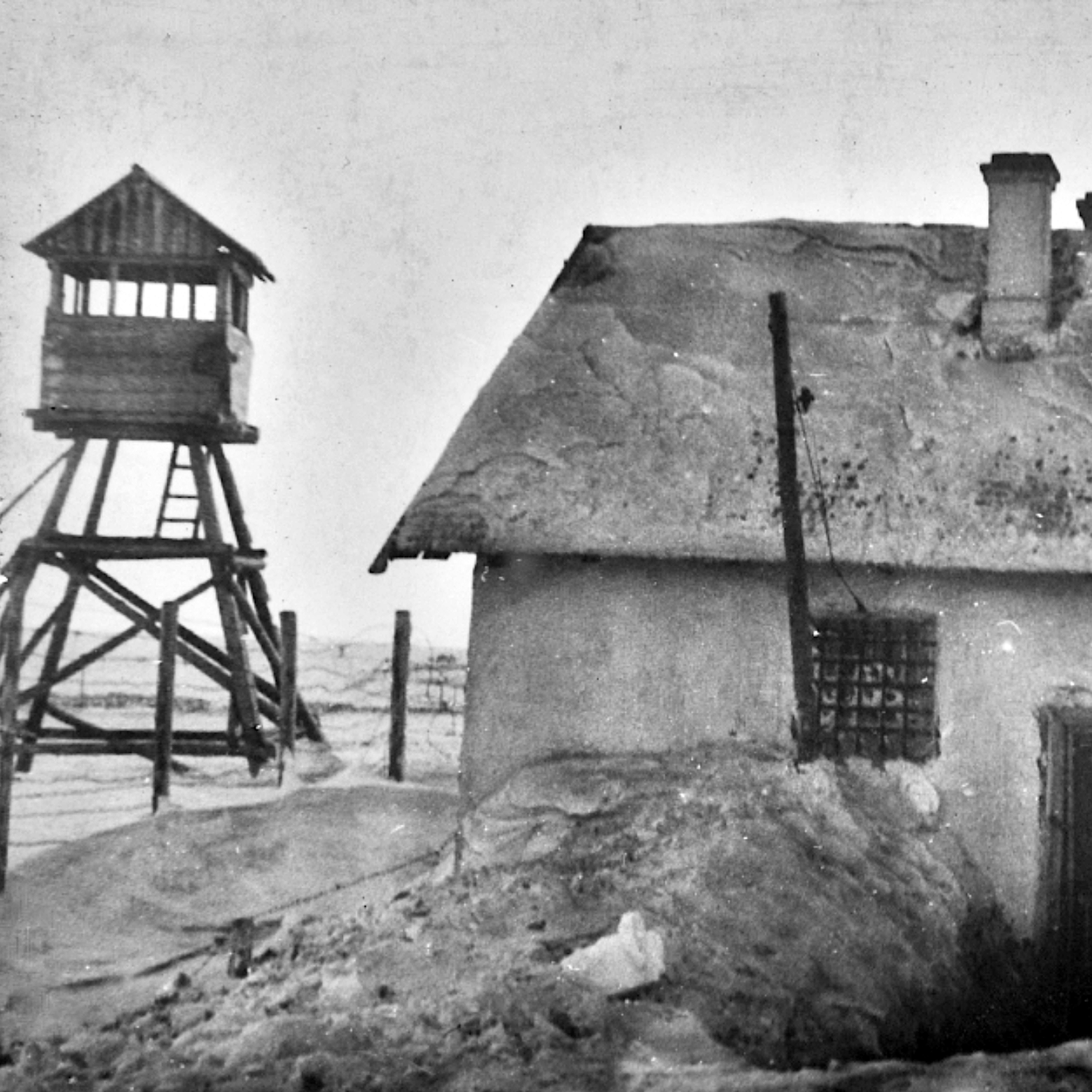
Image via World History Encyclopedia
Stalin’s Gulag: When a State Builds Suffering Into the System
The word gulag can sound like a single place, but it was really a vast network: labor camps spread across the Soviet Union that became, by the 1930s, a central tool of Stalin’s rule. The camps held people convicted of ordinary crimes, but they also swallowed up those labeled “enemies of the state,” a category elastic enough to stretch around political opponents, suspected dissenters, and sometimes people caught in quotas and paranoia rather than evidence. What made the gulag distinctive wasn’t only the brutality; it was the bureaucracy. This was punishment turned into administration—arrests, transports, camp assignments, work norms, rations, and reports, all feeding the machinery.
The camps served multiple purposes at once. They removed “undesirable” people from public life, terrified the broader population into compliance, and extracted labor for ambitious state projects in harsh environments—timber, mining, infrastructure—often where free workers would not go and could not survive for long. The system’s cruelty was not an accident on the margins; it was baked into incentives that treated human beings as expendable inputs. History has a way of warning us that repression doesn’t only come with loud slogans. It also arrives quietly in forms, categories, and routines that make the unacceptable feel normal—one stamped document at a time.
Read the full story at World History Encyclopedia →

Image via Discover Magazine
Jeremy Bentham’s Head, Revisited: CT Scans and a Very Human Kind of Evidence
Jeremy Bentham is usually introduced as the philosopher of utilitarianism—the “greatest good for the greatest number” thinker whose ideas still shadow modern debates about policy, prisons, and public welfare. But this week’s story pulls us closer than theory. Researchers used CT scans on Bentham’s centuries-old preserved head, revealing concrete signs of dental damage that help explain his written complaints about severe toothache. It’s a reminder that the past isn’t only documents and dates; sometimes it’s pain recorded in bone.
What’s striking here is how modern imaging can turn an old curiosity into a medical and historical case study. Bentham’s preservation has long been famous, almost treated like an eccentric footnote to Enlightenment thought. But the scans highlight something more intimate: a person trying to reason about morality and society while living in a body that hurt. The technology doesn’t just satisfy curiosity; it adds texture to historical biography, showing how physical suffering can shape a life’s rhythms and writings. We tend to imagine the great thinkers as disembodied minds. The CT images tug them back into the ordinary reality of nerves, infection, and sleepless nights.
Read the full story at Discover Magazine →

Image via HistoryExtra
Edward VI, Mary I, and the Tug-of-War Over England’s Soul
When Henry VIII died, England didn’t simply “continue” the Reformation—it argued over what the Reformation even meant. Under Edward VI, the kingdom moved more decisively toward Protestant reforms, propelled by advisers and a political environment that treated religious direction as statecraft. Policy wasn’t confined to sermons; it showed up in the language of worship, the shape of church life, and the daily experience of what was permitted, required, or condemned.
Then came Mary I, and the swing of the pendulum back toward Catholicism. Her reign is often summarized with one brutal word—persecution—but the deeper story is about legitimacy and identity. England was still deciding who it was: a Catholic nation with a royal rupture, a Protestant nation in the making, or something unstable in between. The fight wasn’t only theological; it was about loyalty, law, and the future of the crown itself. The Tudor succession turned belief into a high-stakes public matter, where a ruler’s conscience became national policy—and where ordinary people learned that “religious change” could arrive as fast as a new monarch’s signature.
Read the full story at HistoryExtra →
That’s it for today’s capsule. If you felt the common thread—institutions shaping bodies, and bodies shaping history—hold onto it. Tomorrow, we’ll open another drawer and see what the past left for us inside.
— Time Capsule Editorial