Today’s Sponsor:
Before a ticker heats up, there's a brief window — a signal phase — that shows up quietly. No alerts. No buzz. Just a subtle shift for those watching the right tells. Most people wait for confirmation, but by then the early edge is already gone.
Our FREE Market Signal Brief is built to identify these quiet setups before they turn into noisy moves. Get the fast-read breakdown that spots momentum shifts before the news cycle catches on.
Get the Free Signal Brief*We encourage readers to perform their own research and due diligence on any information we provide. By clicking the link you will automatically be subscribed to the Daily Edge Report Newsletter.

Three reminders from the archive of human behavior: how legends get minted, how geography quietly shapes history, and how a single set of bones can reopen a whole medieval chapter.
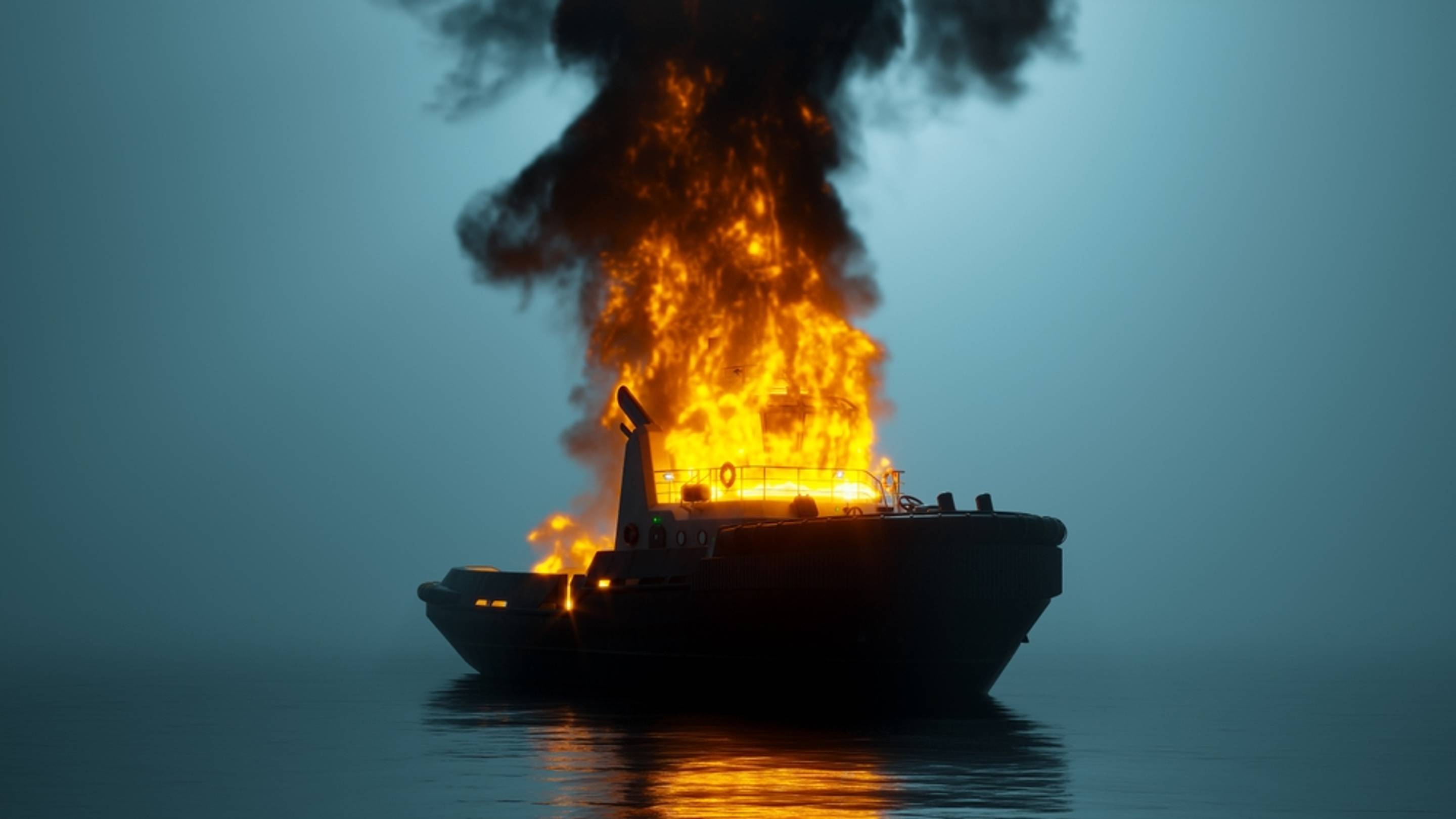
Image via Mental Floss
The Truth Behind Cortés and the Famous “Burn the Boats” Line
If you’ve ever heard a coach or CEO say “burn the boats” to mean “leave yourself no way back,” you’ve heard the modern legend of Hernán Cortés. The story usually goes like this: in 1519, after landing on the Gulf Coast of Mexico, Cortés ordered his ships burned so his men had no choice but to press forward into the Aztec Empire. It’s a crisp, cinematic moment—so crisp, in fact, that it should set off a historian’s alarm.
The problem is the sources don’t quite support the quote—or the bonfire. Accounts written closer to the events suggest the ships were more likely dismantled, intentionally disabled, or otherwise made unusable (a tactical decision to prevent desertion and to repurpose valuable materials), rather than dramatically torched with a single all-or-nothing command. And like many “perfect” historical anecdotes, the version that survives in pop culture often says more about what later generations wanted the story to mean—resolve, destiny, inevitability—than about what actually happened on the shoreline.
Source: Mental Floss
Read the full story at Mental Floss →

Image via Atlas Obscura
Where Shipwrecks Became a Local Landmark: The Graveyard of the Atlantic
Off Cape Hatteras, North Carolina, the ocean has a reputation older than the United States. Mariners have long feared these waters, where shifting sandbars, clashing currents, and sudden storms can turn a routine passage into a disaster. The nickname “Graveyard of the Atlantic” isn’t poetic exaggeration—it’s a running log of wrecks that piled up over centuries along the Outer Banks.
The Graveyard of the Atlantic Museum in Hatteras sits with that history in full view, telling stories that range from pirate-era losses to wartime sinkings. This stretch of coastline became a kind of unintended archive: storms rearranged the sands, ships broke apart, cargo washed in, and communities adapted—sometimes rescuing survivors, sometimes salvaging what the sea surrendered. It’s a reminder that “history” isn’t only made in capitols and battlefields; sometimes it’s made by geography, repetition, and the narrow margin between a safe crossing and a headline.
Source: Atlas Obscura
Read the full story at Atlas Obscura →
A Medieval Queen Returns to the Record—Through Her Remains
In Spain, researchers have exhumed and examined the remains of a medieval queen, a process that can sound jarring until you remember what’s at stake: the chance to separate documented life from legend, and tradition from evidence. Royal burials were political statements as much as personal farewells, and over the centuries, tombs get moved, mislabeled, disturbed, or reshaped by later generations trying to curate memory.
Scientific study—careful, contextual, and transparent—can answer surprisingly human questions: identity, health, age, diet, and sometimes even traces of the stresses that chroniclers either ignored or turned into moral lessons. The broader historical payoff is that queens, despite their centrality to dynastic politics, often reach us through secondhand narratives written by men with agendas. Physical evidence doesn’t “replace” the written record, but it can challenge it, sharpen it, and occasionally force a rewrite of what we thought we knew.
Source: Archaeology Magazine
Read the full story at Archaeology Magazine →
That’s the capsule for today: a slogan that got cleaner with retelling, a coastline that never stopped collecting stories, and a royal life re-entering the archive through science. See you tomorrow.
— Time Capsule Editorial