2026 is shaping up to be a breakout year for space investors. Record launches, falling costs, and explosive technologies like satellite constellations and orbital AI are turning space into a real, revenue-generating industry — and the window to get positioned early is right now.
MarketBeat's free report, The 7 Best Space Stocks to Own in 2026, profiles seven companies across launch, satellites, communications, defense, and in-space infrastructure — covering what they do, how they make money, and the key catalysts to watch. Plus, get insight on the potential SpaceX/Starlink IPO impact and where the best risk-reward opportunities lie.
Get Your Free Space Stocks ReportBy clicking the button above, you will receive this free report and a free subscription to MarketBeat's daily email newsletter. You are also agreeing to the terms of our privacy policy. Unsubscribe at any time.

Monday, August 24, 2026 | Three reminders that legitimacy is often a story people learn to believe: from King Arthur’s afterlife in royal propaganda, to a skyward Mesopotamian king, to a famous diamond whose beauty can’t erase its past.
/https://tf-cmsv2-smithsonianmag-media.s3.amazonaws.com/filer_public/13/70/1370f852-7dce-4a95-839d-a51ca90c6d55/merlins-garden.png)
Image via Smithsonian Magazine
Merlin’s Cave and the Hanoverian Makeover: How a Queen Borrowed King Arthur for the Throne
In 1735, Queen Caroline of Brandenburg-Ansbach did something that feels surprisingly modern: she commissioned a physical set piece for a political narrative. At Richmond, she had a whimsical retreat built called Merlin’s Cave, a carefully staged nod to Arthurian legend meant to place Britain’s relatively new Hanoverian dynasty inside an older, more emotionally resonant story of British destiny. The House of Hanover, after all, had arrived from Germany only a generation earlier, and a foreign-rooted monarchy always has extra work to do convincing the public it belongs.
The Smithsonian account shows how myth can function like a bridge over political anxiety. Arthur wasn’t just a literary figure here; he was a national ancestor in the imagination, a symbol that could make the present feel continuous with a cherished past. By invoking Merlin and the romance of ancient Britain, Caroline helped translate a complicated question of succession and legitimacy into something the public could recognize as “ours.” It’s an old lesson: when a government lacks deep roots in the public mind, it often plants them by storytelling, architecture, ceremony, and carefully curated tradition.
Source: Smithsonian Magazine
Read the full story at Smithsonian Magazine →
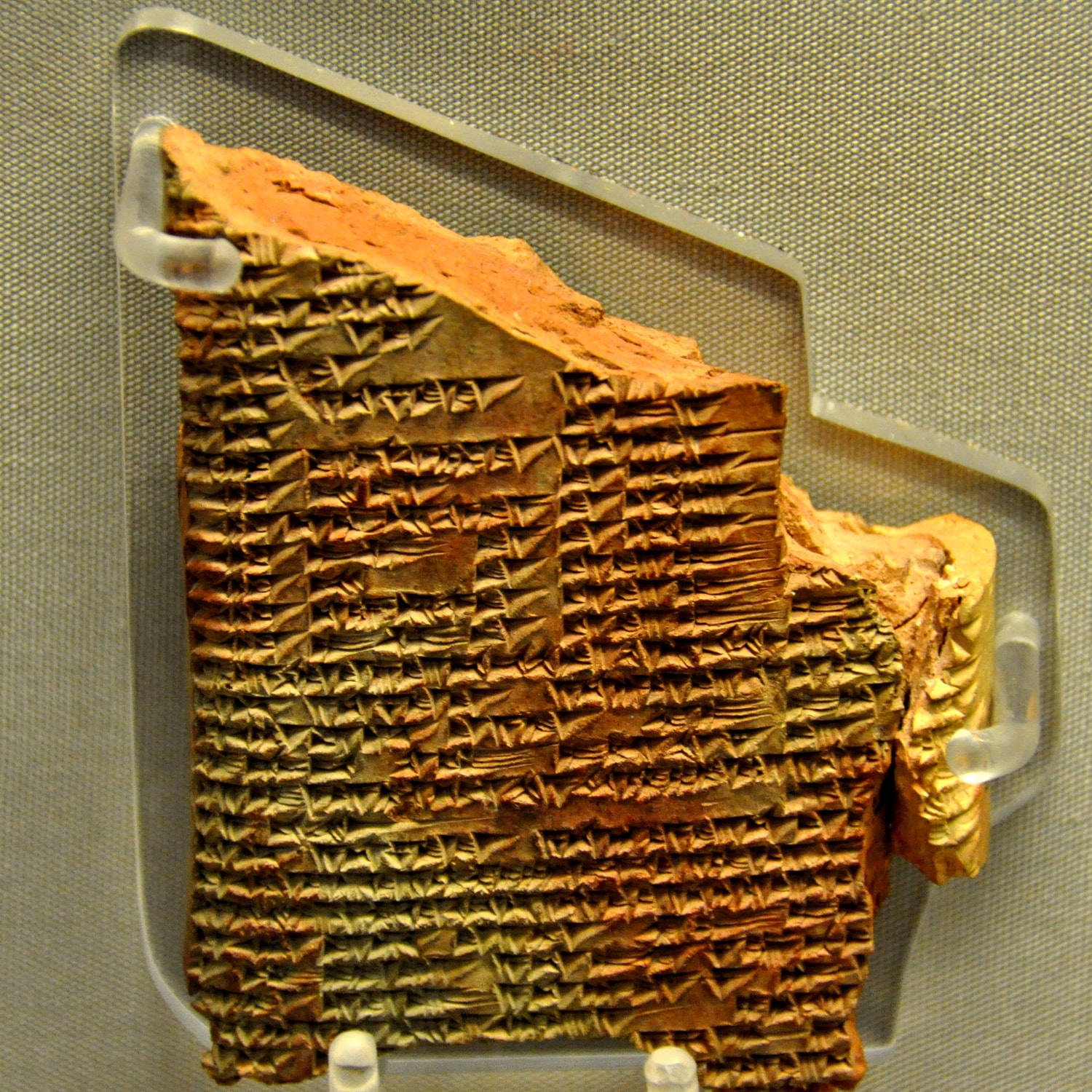
Image via World History Encyclopedia
The King Who Flew to Heaven: Etana and the Oldest Problem of Power
The Myth of Etana comes from ancient Mesopotamia, but it reads like a timeless political dilemma: what is a king without an heir, and what does leadership mean if the line ends with you? Etana, presented as an early king of Kish, is desperate for the Plant of Birth so he can have a son. The tale sends him upward, literally, as he ascends to heaven on the back of an eagle to petition the gods for what his kingdom needs.
What makes the story endure is how plainly it ties kingship to something beyond human control. Rule is not just administration; it is cosmic permission. In societies where the boundary between religion and government didn’t really exist, legitimacy wasn’t secured only by force or law but by signs, blessings, and narratives that made authority feel ordained. Etana’s flight dramatizes a belief that the stability of the state depends on a relationship with the divine, and that personal fate, family continuity, and public order are all braided together.
Source: World History Encyclopedia
Read the full story at World History Encyclopedia →
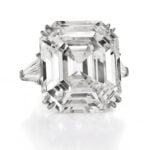
Image via All That’s Interesting
A Diamond’s Double Life: Glamour, Memory, and the Krupp Stone’s Darker Trail
The Elizabeth Taylor Diamond, also known as the Krupp Diamond, sits at the intersection of Hollywood romance and European catastrophe. All That’s Interesting traces the gem’s long journey, including its association with industrialist Alfried Krupp and the complicated world of wealth in Nazi-era Germany, before it later became a symbol of celebrity devotion after Richard Burton gave it to Elizabeth Taylor. Taylor kept it for decades, and the diamond became part of her public identity — an object photographed, discussed, and mythologized until it felt inseparable from her star power.
But the history of famous objects rarely stays tidy. Jewels, art, and heirlooms move through time like little capsules of power, and their beauty can obscure the conditions that helped concentrate them in the first place. This story is a reminder that material culture is never just material: a gemstone can be simultaneously a personal gift, a public icon, and a trail marker pointing back to systems of exploitation, coercion, and wartime theft. In that sense, the diamond’s real weight isn’t only carats; it’s memory, and the moral questions that follow prestige wherever it goes.
Source: All That’s Interesting
Read the full story at All That’s Interesting →
That’s the capsule for today. If you find yourself wondering why power so often reaches for legend, lineage, and luxury, you’re already thinking like a historian — not just about what happened, but about what people needed to believe.
— Time Capsule Editorial