Today’s Sponsor:
🎃 The market has its own tricks — and October is full of them. Sudden momentum, unusual activity, and stocks making big moves before anyone else notices. Don't get caught off guard.
GuyStocks delivers real-time momentum alerts 🕷️, flags unusual stock activity 👻, and gives you clear, actionable insights ⚡🔎 — so you're ahead of the move, not chasing it. And it's 100% free to join 🆓.
Join GuyStocks Free TodayBy clicking the button above, you agree to receive emails from GuyStocks.com. You can opt out at any time. — Privacy Policy

A tour through how people celebrated, mourned, and explained their origins long before our modern headlines had names for those feelings.
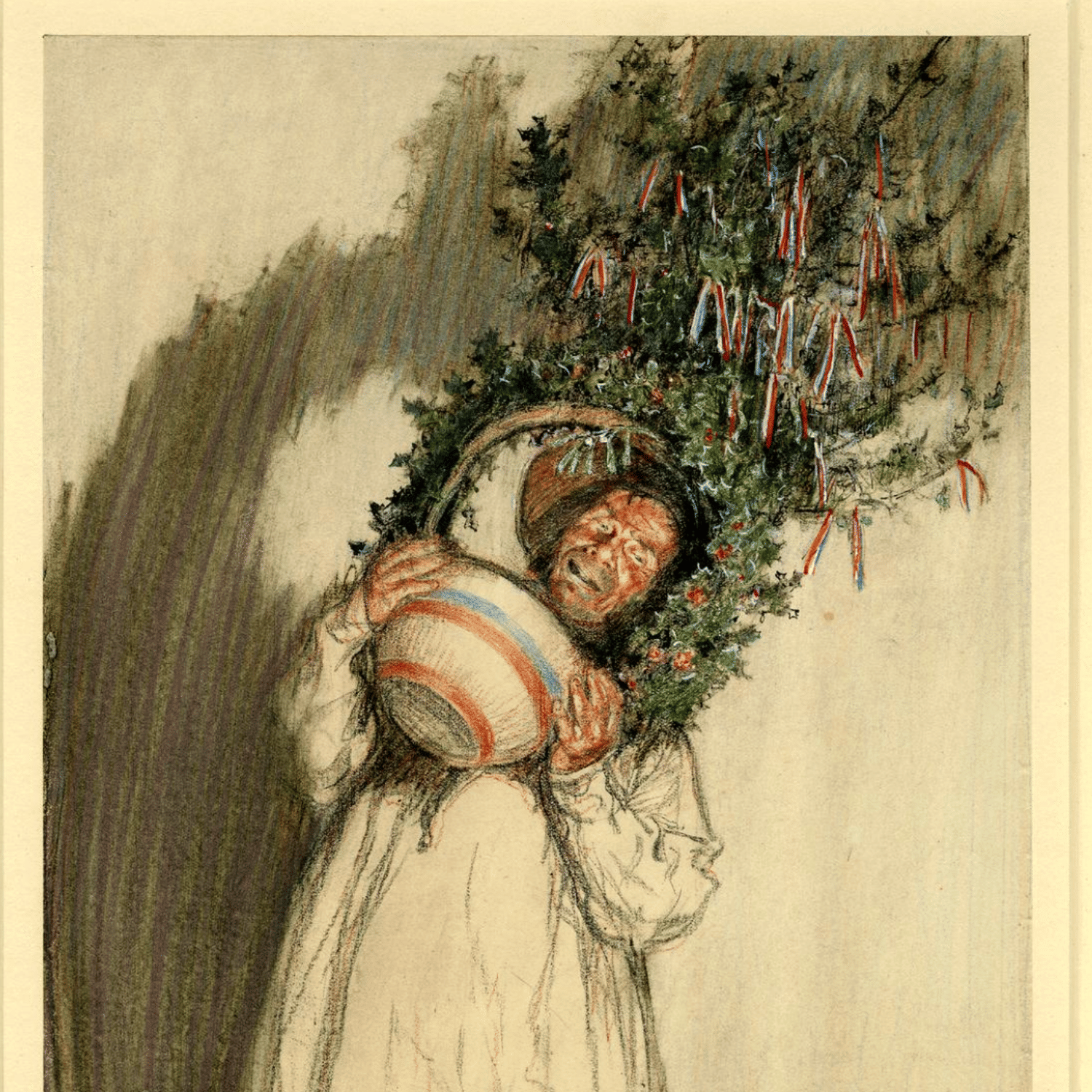
Image via World History Encyclopedia
When a Toast Was a Safety Check: Drinking Customs in Merry Olde England
It is easy to imagine medieval drinking as pure chaos: ale sloshing, benches thumping, somebody singing too loudly in a smoky hall. But the rituals around alcohol in early and high medieval England were often surprisingly structured. Toasts, communal cups, and set phrases were not just party tricks; they were a kind of social glue, helping people signal loyalty, good will, and membership in a group that depended on trust.
The old customs also hint at practical anxieties. Sharing a cup could be a performance of unity, and formal toasting could double as a public assurance that nobody was slipping poison into anyone’s drink. Drinking songs and rounds weren’t just entertainment, either. In a world with few written invitations and fewer private venues, the public nature of feasting mattered. It created memory: who sat where, who honored whom, who paid, who refused, who overdid it. That is the kind of detail communities remembered for years.
Source: World History Encyclopedia
Read the full story at World History Encyclopedia →
Flowers for the Fire: A Bronze Age Funeral Bouquet in Cyprus
Archaeologists in Cyprus are looking at a tender possibility from around 3,400 years ago: mourners may have placed whole bouquets at funerals and then burned them as part of the rite. The detail is small, almost intimate, but it carries a big historical weight. Flowers are among the most perishable offerings a community can make, which is precisely why spotting evidence for them is rare. When a fragile gesture leaves a trace, it usually means the ritual was repeated, meaningful, and carefully staged.
If bouquets really were burned, the act could have worked on multiple levels. Fire transforms quickly and publicly; it makes a private emotion visible to everyone present. Burning offerings also changes what survives for the future, turning a fresh arrangement into residues that can travel through time in the soil. Across many ancient cultures, the line between gift and message is thin: what you give the dead is also what you tell the living about love, status, belonging, and how a community thinks the afterlife works.
Source: Archaeology Magazine
Read the full story at Archaeology Magazine →

Image via HistoryExtra
Rome’s First Kings: The Mythic Blueprint Behind a Real City
Rome loved to tell a story about itself: before the Republic, before the emperors, there were seven kings who built the city’s bones. These rulers live in that hazy space between legend and memory, where a society stores its origin story and its political arguments at the same time. The tales explain why certain religious offices exist, why certain public rituals matter, and why Romans believed their system was uniquely fit to rule.
Even when the details are embellished, the sequence reads like a civic curriculum. One king founds, another organizes, another reforms, another faces crisis; the pattern teaches what Romans thought leadership should do. It is not that modern historians accept every episode as literal fact. It is that the myths preserve priorities: order versus chaos, sacred boundaries versus lawlessness, and the constant Roman fear of tyranny even as the city kept returning to strongman solutions. In other words, the kings may be Rome’s way of admitting, in story form, that politics always begins as a struggle over who gets to define the rules.
Source: HistoryExtra
Read the full story at HistoryExtra →
That’s today’s Time Capsule. If you caught yourself recognizing a modern habit inside an ancient ritual, you’re reading history the way it was meant to be read: as a mirror, not a museum.
— Time Capsule Editorial