Today’s Sponsor:
While the crowd chases the same tired names, RushTheStreet is tracking the stocks that could move before the headlines hit — small caps on the verge of a breakout, AI plays building momentum, biotech approaching major milestones, gold & silver explorers, and companies with market-moving catalysts on the horizon.
October volatility creates opportunity — but only if you're watching the right names first. Don't let the next big mover disappear into the shadows before you even knew it existed.
Sign Up for RushTheStreet FreeBy clicking the link above, you agree to receive emails from rushthestreet.com. You can opt out at any time. — Privacy Policy

Wednesday, October 21, 2026 | Three reminders from the deep archive: a Revolutionary-era banner that still feels close enough to touch, ancient fingerprints that complicate an old assumption, and a Sumerian myth that reads like the blueprint for every adventure story that came after.
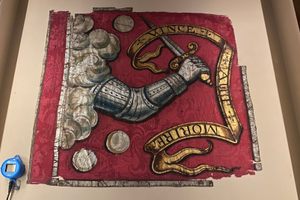
Image via Atlas Obscura
The Bedford Flag: A Revolution You Can Stand Near
Just outside Boston, in the town of Bedford, there’s a piece of the American Revolution that doesn’t live as an illustration in a textbook. The Bedford Flag is widely regarded as the oldest complete surviving flag in the United States, and that word complete matters. Many early flags survive only as fragments or later reconstructions, but this one persists as an intact object with the wear, texture, and lived-in reality that history usually loses.
It’s easy to forget that flags weren’t always mass-produced symbols; in the 1700s they were handmade, local, and intensely personal. They traveled with militia companies and carried messages the way a uniform or a drumbeat did: as a signal of belonging and purpose. The Bedford Flag’s survival also hints at something historians see again and again in New England towns: a deep habit of preservation, where families and local institutions keep artifacts close, not as museum trophies but as community memory.
Source: Atlas Obscura
Read the full story at Atlas Obscura →

Image via Popular Mechanics
Fingerprints in the Terracotta Army: The Workers Step Forward
The Terracotta Army has always been framed as a story of emperors, power, and scale: thousands of life-sized figures built to guard China’s first emperor in the afterlife. But a new analysis of fingerprints impressed into the clay shifts the center of gravity. Researchers found that fewer than half of the prints appear to have come from adult men, pointing to a broader workforce than many people assume when they picture an ancient mega-project.
That finding echoes a familiar pattern in historical interpretation: when we lack names, we default to the most socially visible laborers. Yet big state projects across time have rarely been built by a single category of worker. From textile mills to wartime factories to public-works campaigns, the human story is usually mixed: different ages, different skill levels, different roles on the production line. Fingerprints are unusually intimate evidence because they bypass official records and elite narratives. They’re the accidental signature of the person who actually touched the object before anyone called it art.
Source: Popular Mechanics
Read the full story at Popular Mechanics →
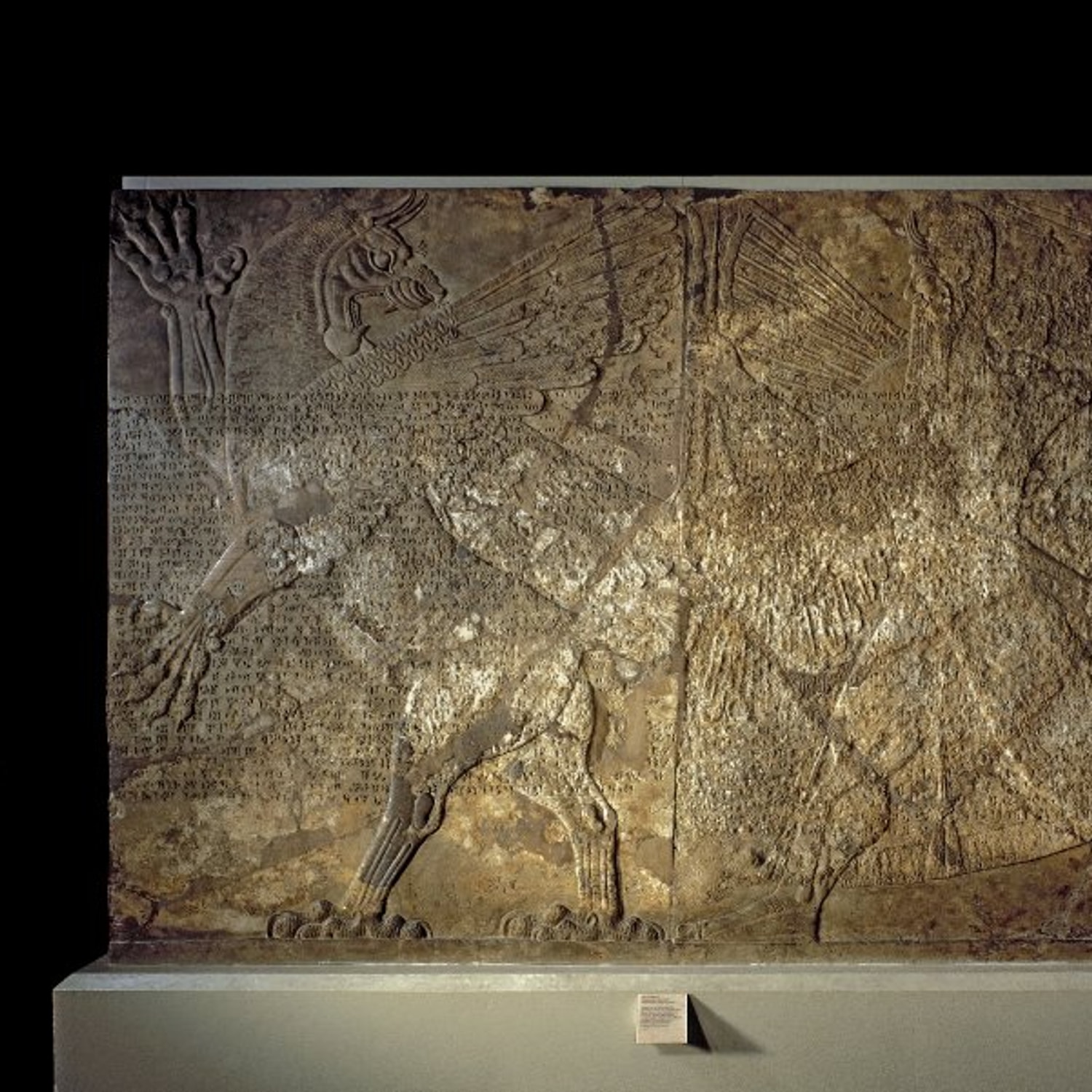
Image via World History Encyclopedia
Lugalbanda and the Anzud Bird: An Ancient Template for the Hero’s Journey
Long before “hero’s journey” became a phrase, Sumerian storytellers were already working with the bones of the format. Lugalbanda and the Anzud Bird, dated to the Ur III period (roughly 2112 to 2004 BCE), follows Lugalbanda of Uruk, a figure remembered as the father of Gilgamesh. The story blends hardship, isolation, moral choice, and a meeting with a powerful creature: the Anzud bird, a lion-headed eagle-like being that can feel both divine and dangerous.
What makes this myth feel surprisingly modern is how much it cares about transformation rather than brute conquest. Lugalbanda’s progress depends on endurance, help given and returned, and the kind of wisdom you only earn by being stranded in the middle of the plot. That’s one reason these early Mesopotamian tales still matter for Americans trying to read today’s headlines: we’re constantly telling ourselves stories about leadership, legitimacy, and what a community owes a person who returns changed. The questions are ancient even when the costumes aren’t.
Source: World History Encyclopedia
Read the full story at World History Encyclopedia →
That’s the capsule for today. If you’ve ever stood in front of a local relic, noticed a small human mark on a big monument, or recognized an old myth hiding inside a modern story, you’ve already been doing this work: letting the past explain the present without flattening either one.
— Time Capsule Editorial