Today’s Sponsor:
Every major market move leaves clues — the edge belongs to whoever spots them first. AI is now giving investors a powerful new way to analyze massive amounts of market data, detect unusual patterns, and anticipate what may be developing beneath the surface before the crowd catches on.
Investor News has put together a new report breaking down exactly how this emerging approach works — and what it could mean for investors hungry for a real edge. The most important question isn't what the market did yesterday. It's what the data is pointing to next.
Get the Free ReportBy following the link above, you're choosing to opt in to receive insightful updates from Investor News + 2 free bonus subscriptions. Your privacy is important to us. You can unsubscribe anytime. See our privacy policy for details.

From a sealed Macedonian tomb with paintings that survived 2,300 years, to a grieving First Lady inviting spirits into the White House, to a surgeon who defied Rasputin and paid in historical invisibility, today’s stories ask the same question: who gets remembered, and on what terms?
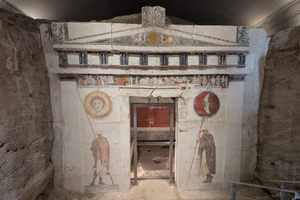
Image via Atlas Obscura
A Macedonian tomb sealed under a hill, and the colors time forgot
In northern Greece, beneath a 12-metre-high burial mound, a late 4th-century BC Macedonian tomb sits inside a modern concrete shell like a precious artifact in a display case. The protective structure is a reminder that archaeology is often a race between discovery and decay: the moment a sealed space is opened, air, moisture, and tourism can become the new threats. Here, the solution was to wrap the ancient chamber in the 20th century so the 4th century BC could keep speaking.
What makes the Tomb of Agios Athanasios so arresting is not just its survival, but its artwork. Macedonian elite burials could be lavish, and this one preserves remarkably vivid wall paintings that feel less like distant “classical” decoration and more like a snapshot of status, ritual, and self-image at the edge of Alexander the Great’s era. The tomb’s imagery points to a world where power was performed even in death, and where the afterlife was furnished with the same symbols that commanded respect among the living.
Source: Atlas Obscura
Read the full story at Atlas Obscura →
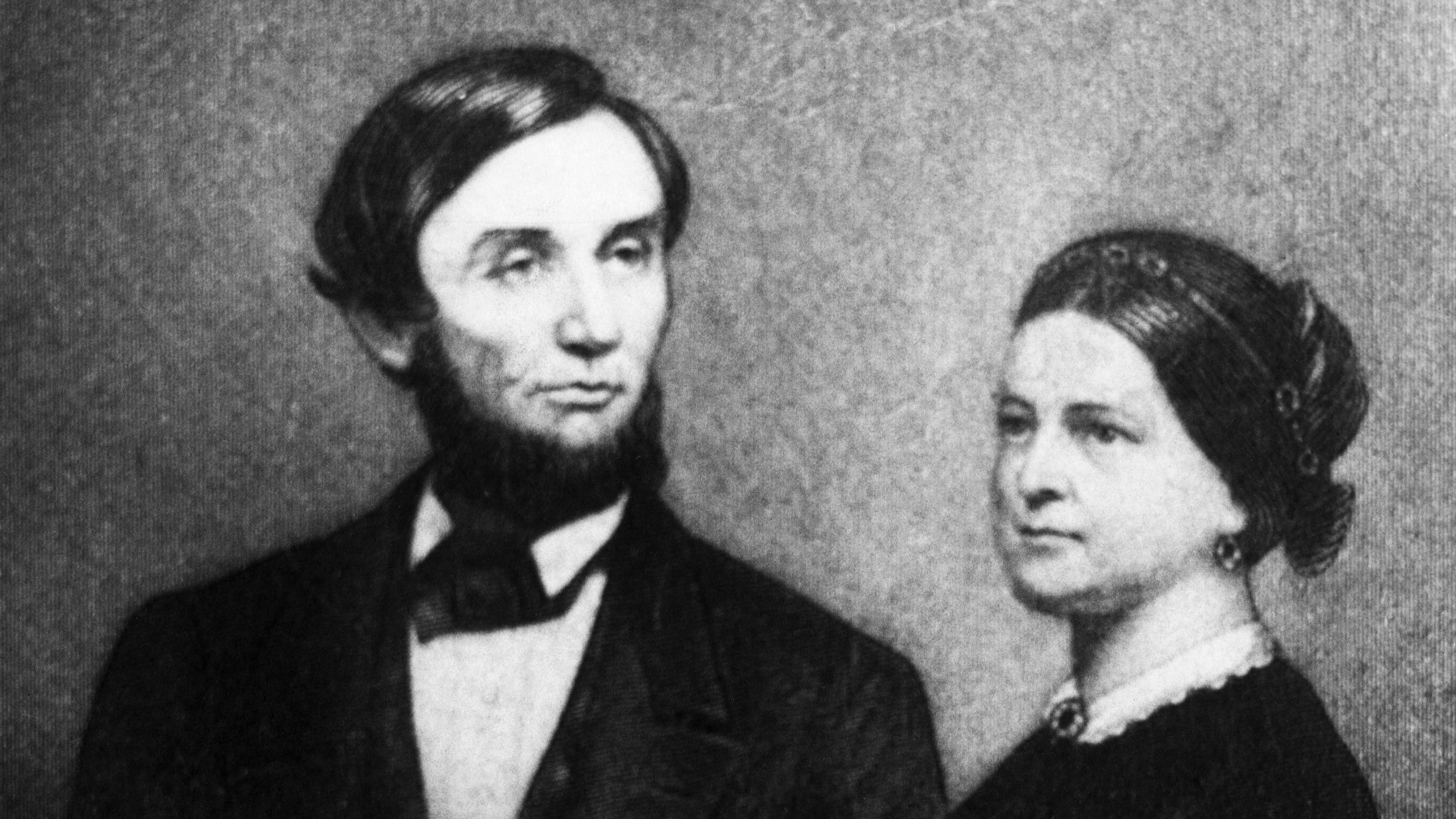
Image via Mental Floss
When grief met a national crisis: Mary Todd Lincoln’s White House séances
During the Civil War, America didn’t just mobilize armies; it mobilized belief. Spiritualism, with its séances and spirit “communications,” surged in a country saturated with sudden death and unresolved loss. In that atmosphere, Mary Todd Lincoln’s turn toward séances was not an odd footnote so much as a window into what grief looked like in a household that was both intensely private and relentlessly public.
After the death of her son Willie in 1862, Mary Todd Lincoln hosted multiple séances in the White House, seeking comfort and contact in a way many bereaved families did in parlors across the country. What changes the temperature of the story is the setting: the executive mansion doubling as a spiritualist meeting room while the nation fractured outside. It’s a reminder that historical leaders weren’t marble statues in a textbook; they were people improvising emotional survival, sometimes in ways that made contemporaries uncomfortable and gave later generations an easy punchline.
Source: Mental Floss
Read the full story at Mental Floss →

Image via History Extra
Vera Gedroits: the surgeon who challenged Rasputin, then vanished from the story
The Russian imperial court has become a kind of historical theater, with Rasputin often cast as the mysterious puppet-master. But that familiar script can hide the people who actually did the work of keeping bodies alive. Vera Gedroits was a pioneering surgeon whose career ran straight through war, medical innovation, and palace politics, and she’s remembered in part for standing up to Rasputin rather than deferring to his influence.
Gedroits’ life also illustrates a pattern historians keep having to unlearn: that progress moves forward in a neat line, with “firsts” permanently celebrated. Her accomplishments were real, her expertise was respected in critical moments, and yet her story was later diminished and, in key ways, erased. Listening closely to her biography forces a sharper view of how reputations are built: not only by what someone did, but by who later had the power to file the story under “inconvenient,” “complicated,” or simply “forgotten.”
Source: History Extra
Read the full story at History Extra →
That’s the capsule for today. If you’re keeping score, history doesn’t just happen in the open—sometimes it’s painted on a wall underground, whispered across a séance table, or edited out after the fact. See you tomorrow.
— Time Capsule Editorial