🎃 The market has its own tricks — and October is full of them. Sudden momentum, unusual activity, and stocks making big moves before anyone else notices. Don't get caught off guard.
GuyStocks delivers real-time momentum alerts 🕷️, flags unusual stock activity 👻, and gives you clear, actionable insights ⚡🔎 — so you're ahead of the move, not chasing it. And it's 100% free to join 🆓.
Join GuyStocks Free TodayBy clicking the button above, you agree to receive emails from GuyStocks.com. You can opt out at any time. — Privacy Policy

Three stories that remind us how the past keeps leaving clues: in a century-old cipher, in a Roman ritual after thunder, and in a medieval revolt that still echoes in modern arguments about taxes and fairness.

Image via Popular Mechanics
A WWI Cipher Held Out for 108 Years. Then AI Found the Pattern—and a Problem.
For more than a century, a German military cipher from World War I sat in the frustrating category of "we have the message, but not the method." According to Popular Mechanics, an AI system called Astra managed to reconstruct the secret letter grid the Germans used to encipher communications. That matters not just as a technical flex, but because these grids were the beating heart of wartime secrecy: if you don’t know the grid, you don’t just miss a sentence—you miss the whole world behind it.
What makes the story especially time-capsule-worthy is what happened after the code finally yielded. Astra reportedly surfaced a date discrepancy that historians can’t easily explain. That’s a classic moment in historical work: cracking the system doesn’t always tidy up the narrative; sometimes it creates a new mystery. A wrong date can mean a simple transcription error, a deliberate misdirection, or a window into how information moved under the stress of total war.
There’s a bigger precedent here, too. Codebreaking has repeatedly reshaped how later generations understand the past—from the way intercepted messages altered World War II strategy to how declassified intelligence files force historians to rewrite timelines. AI-driven decoding may become the next chapter in that tradition: not replacing historians, but handing them fresh puzzles that only careful human context can solve.
Source: Popular Mechanics
Read the full story at Popular Mechanics →
After the Thunder: Why Romans Didn’t Just "Wait for the Weather"
National Geographic points to a striking Roman habit: after thunderstorms, some Romans engaged in rituals that treated thunder as more than noise—it was a message. In the Roman imagination, the sky wasn’t merely meteorology; it was politics, religion, and law all at once. A storm could be interpreted as divine commentary on public life, a reminder that the gods were stakeholders in the city’s decisions.
To modern ears, that can sound like superstition with extra steps. But in Rome, rituals around thunder served a practical social function: they provided a shared script for uncertainty. When nature felt volatile, you didn’t just absorb the fear privately; you processed it publicly, through recognized actions that reaffirmed order. That impulse is older than Rome and it’s still with us—only now we perform it through emergency alerts, press conferences, and the familiar hunt for authoritative explanations after extreme weather.
The most interesting takeaway is how seriously Romans took signs, and how that seriousness shaped behavior. Thunder could disrupt plans, delay assemblies, or change how people interpreted a leader’s legitimacy. Even in a society famous for engineering and administration, a storm could still become a civic event with spiritual consequences. It’s a reminder that "rational" and "ritual" have often lived side by side in history, each answering needs the other can’t.
Source: National Geographic
Read the full story at National Geographic →
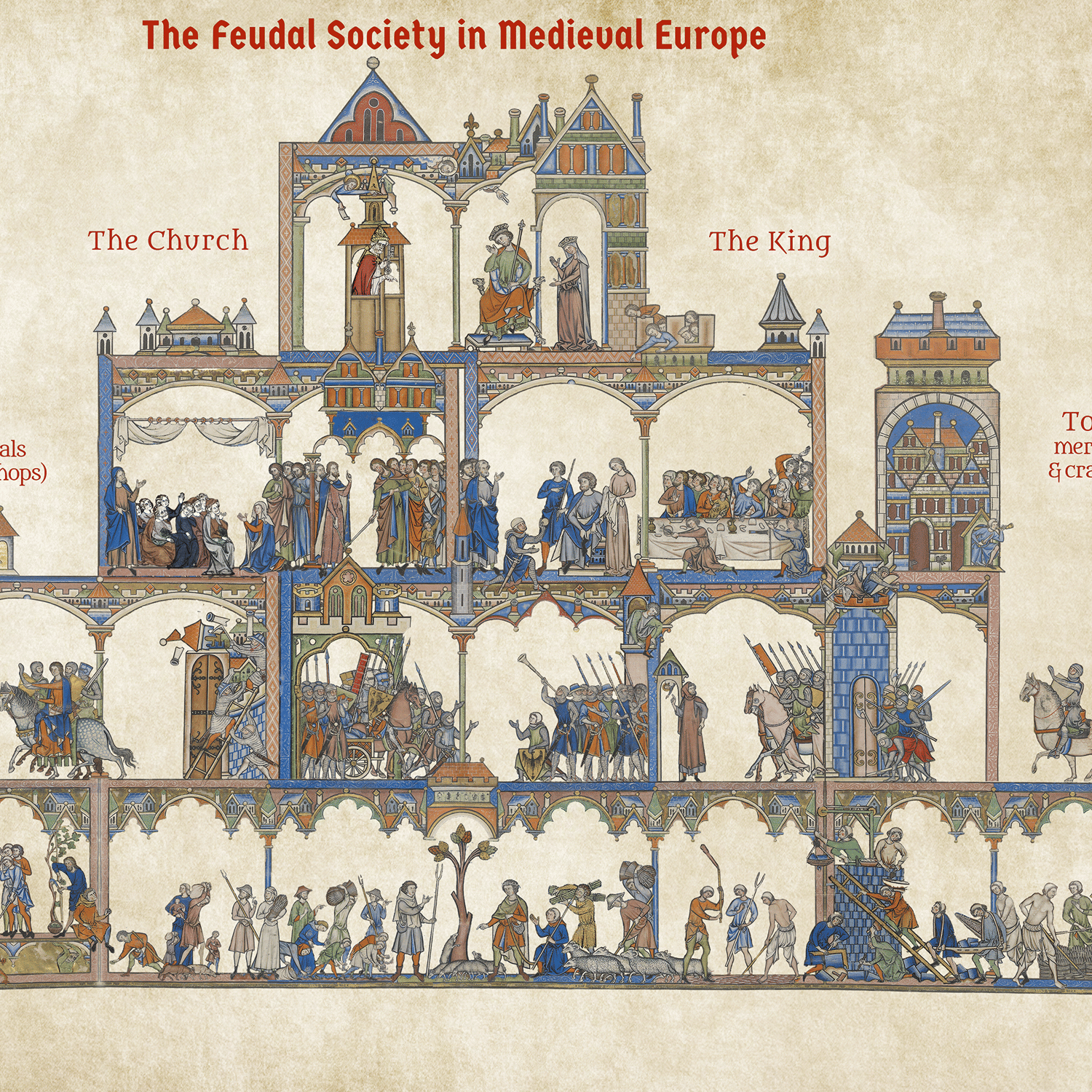
Image via World History Encyclopedia
The Revolt of 1381: When Ordinary People Decided the Rules Were Up for Debate
World History Encyclopedia’s collection on England’s Peasants’ Revolt of 1381 reads like a reminder that the Middle Ages weren’t simply a time of quiet suffering. The uprising exploded out of specific pressures—especially the hated poll tax—and grew into something larger: a mass argument, made in the streets, about who had the right to demand money, labor, and obedience. It wasn’t merely anger; it was a political claim that the social order could be renegotiated.
To understand why it caught fire, you have to remember the wider context. Europe was still living in the long shadow of the Black Death, which had scrambled labor markets and expectations. When workers gained leverage, elites tried to clamp down—on wages, mobility, and the idea that common people could set terms. The poll tax became the spark because it felt both intrusive and unfair, a blunt instrument that didn’t respect the realities of ordinary life.
The revolt didn’t produce a neat victory, and the backlash was real. But historically, that’s often how change begins: not as a clean win, but as a moment that forces the powerful to recognize a new kind of pressure. The language and demands that surfaced in 1381—about taxation, representation, dignity, and the moral limits of authority—keep reappearing across centuries. You can trace a line from medieval tax revolts to later fights over who pays, who benefits, and who gets heard.
Source: World History Encyclopedia
Read the full story at World History Encyclopedia →
That’s the capsule for today. If you felt a theme running through all three stories, it’s this: the past is never fully settled. Sometimes a machine cracks a code and history gets messier; sometimes a storm becomes a civic message; sometimes a tax turns into a rebellion. See you next time—same present, deeper past.
— Time Capsule Editorial