Today’s Sponsor:
Oil markets are shifting as Venezuela's disruption removes critical barrels while spare capacity shrinks. Supply pressure is building before headlines catch up — and smart traders are positioning now.
Our exclusive briefing reveals three energy stocks emerging from this supply shock, plus the key signals to monitor as this setup evolves. This is about preparation, not prediction.
Get the Free Oil Trading ReportBy following the links above, you're opting in to receive valuable updates from Wealthiest Investor News plus 2 bonus subscriptions. Your privacy is important to us. You can unsubscribe anytime. See our privacy policy for details.

Today’s headlines aren’t always breaking news—sometimes they’re reminders. From medieval battles that read like fantasy, to a wartime heist involving Hitler’s wonder-weapon, to a Mozart manuscript that rewrites what we thought we knew about his early work, today’s Time Capsule is a tour of how the past keeps surprising us.
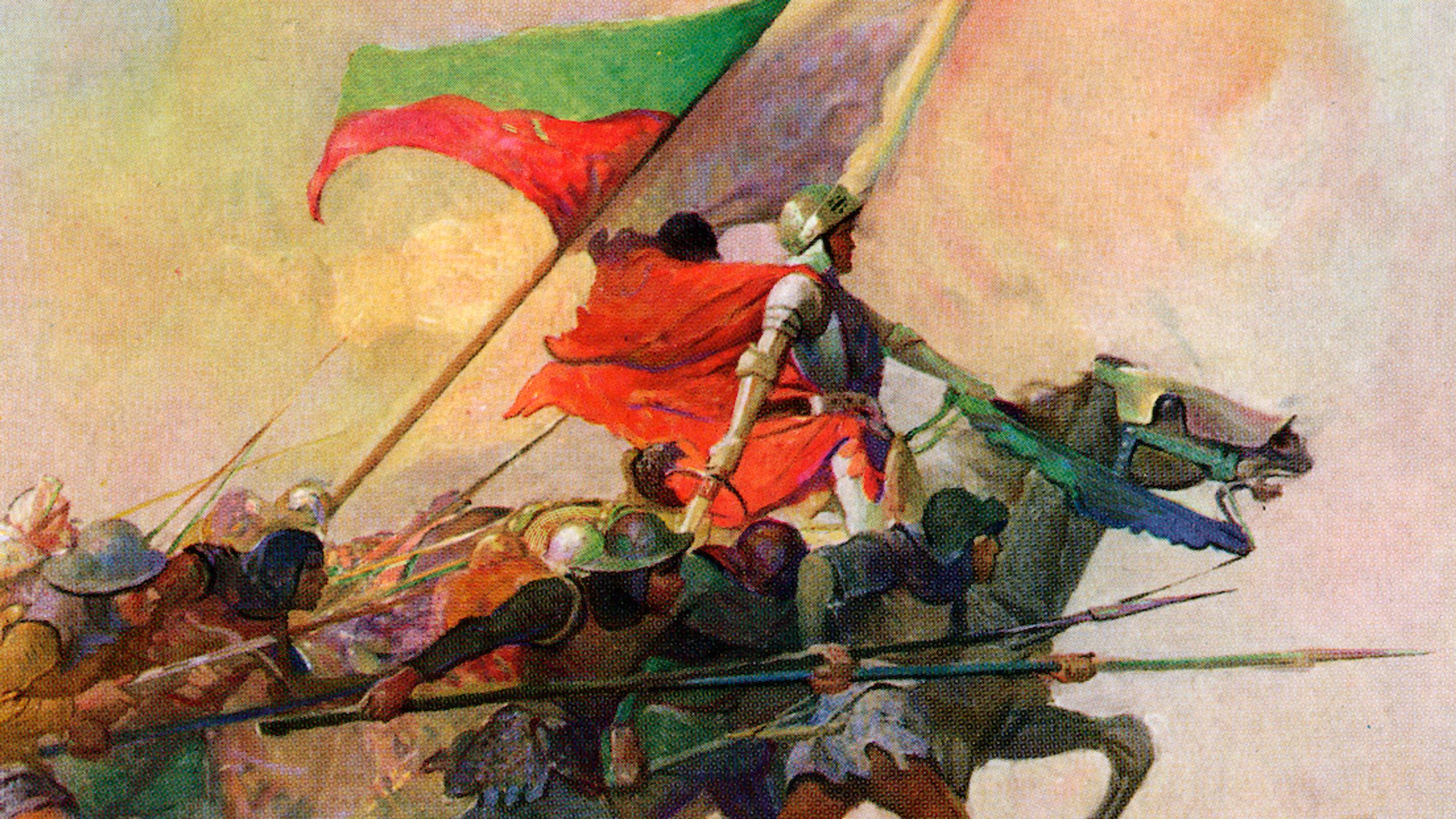
Image via Mental Floss
Seven Real Battles With Big “Westeros” Energy—and What They Tell Us About Power
If you’ve been watching ‘House of the Dragon’ and thinking, “Surely no one fought like that in real life,” history has a gentle correction: people absolutely did. Mental Floss rounds up seven historical battles that feel like they were written for prestige TV—the kind where shifting alliances matter as much as swords, and the battlefield is only one part of a larger political drama.
What makes these conflicts feel so modern (and so “Westerosi”) isn’t just the spectacle—it’s the logic behind them. Many of history’s bloodiest showdowns weren’t simply nation vs. nation; they were succession crises, rival claimants, family feuds with state power behind them, and moments when a ruler’s legitimacy cracked in public. When government is personal—when authority is inherited, not voted—the stakes get existential fast, and battles become arguments about who gets to be reality.
The other through-line is that war has always been a storytelling machine. Victories get mythologized, defeats get blamed on betrayal, and leaders learn to wage campaigns not just with weapons but with symbols. If some of these battles feel like fantasy, it’s partly because fantasy borrowed from history—and partly because history has never been shy about pageantry, propaganda, and the brutal math of ambition.
Source: Mental Floss
Read the full story at Mental Floss →

Image via HistoryExtra
The V2 Rocket Heist: Britain’s Quiet Bid to Steal the Future From the Nazis
The V2 rocket is often remembered as a terrifying milestone: the first long-range ballistic missile, a weapon that arrived without warning and made civilians part of the front line. But HistoryExtra spotlights a lesser-known side of the V2 story—a secret British intelligence effort to smuggle one of these rockets out of Europe, turning an emblem of Nazi power into an object lesson and a source of technical insight.
What’s striking is how familiar the logic feels. In modern terms, this is the 1940s version of a high-stakes technology grab: identify the breakthrough, get it first, and learn everything you can before your rival sets the terms of the next era. The V2 wasn’t just a battlefield threat; it was a preview of a new kind of warfare, where distance and speed shrink the world and deterrence starts to matter as much as defense.
The story also sits at the crossroads of espionage and science, where intelligence work isn’t only about secrets on paper—it’s about hardware, parts, prototypes, and the people who understand them. The scramble around German rocket tech didn’t end with the war; it helped shape the postwar competition that became the space race and the missile age. This alleged coup, then, isn’t merely a wartime caper—it’s a glimpse of how nations try to seize tomorrow while today is still on fire.
Source: HistoryExtra
Read the full story at HistoryExtra →

Image via Discover Magazine
A Mozart Manuscript Reappears—and It’s Not Just Music, It’s a Window Into How Genius Gets Made
Discover Magazine reports on a hidden Mozart manuscript identified as his earliest known lesson notes—and, even more tantalizingly, a document that includes music that was never publicly performed. That combination matters. We have plenty of Mozart the legend: the prodigy, the performer, the finished masterpieces. What we get far less often is Mozart the student and teacher in mid-thought, leaving clues about how he learned, how he explained, and how musical ideas traveled from the practice room into the wider world.
These kinds of finds can reshape biographies because they show process rather than product. Lesson notes suggest a daily reality of technique, repetition, and instruction—the unglamorous scaffolding beneath the concert hall miracle. And previously unknown compositions, especially ones that never reached public ears, remind us that history is full of near-misses: pieces shelved, lost, or kept private because of circumstance, taste, patronage, or simple accident.
There’s also a bigger historical echo here: archives aren’t static. They’re living ecosystems of ownership, cataloging, mislabeling, rediscovery, and new methods of authentication. Every so often, the past shifts under our feet not because the past changed, but because we finally found the right box, asked the right question, or recognized a familiar hand in unfamiliar ink.
Source: Discover Magazine
Read the full story at Discover Magazine →
That’s the capsule for today: a reminder that history isn’t a straight line—it’s a set of recurring dilemmas, rediscovered artifacts, and human ambitions that rarely stay buried for long. See you tomorrow.
— Time Capsule Editorial